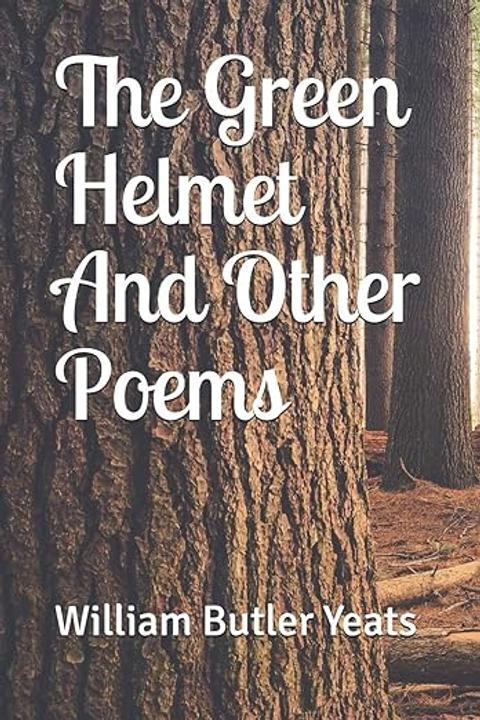
His Dream by W.B. Yeats (1893)
The work opens with a vivid, surreal vision in which the speaker finds himself amid shifting images of a journey and a ritualized encounter with death. The narrator is carried along a tumultuous scene, both physically and metaphysically, where a vessel and its ornaments symbolize the fleeting, unpredictable nature of life. A large, animated crowd and even nature itself—represented by fish bubbling and chattering—attend to a mysterious figure draped in a shroud. This enigmatic figure is both feared and revered, its presence imbued with a dignified inevitability, suggesting that death is not merely an end but a transformative presence. The narrative unfolds as a meditation on the inexorable passage of life toward a conclusive fate. The recurrent invocation of death throughout the poem is not nihilistic; rather, it carries a strange, almost celebratory quality. The language weaves together physical imagery with abstract, symbolic meaning, portraying death as an essential, majestic force that imbues the chaotic elements of nature and human experience with a solemn beauty. The interplay between the stirring throng on the shore, the animated sea creatures, and the intricate symbolism of the ship and its components portrays an external ordering of the inescapable internal truth of mortality. Underlying the dynamic surface of the text is a thematic exploration of the tension between the ephemeral and the eternal. The imagery of gaudy, transient objects and the persistent, solemn figure of death underscores the paradox that beauty and terror, life and demise, are intertwined. The work suggests that in the face of the overwhelming power of fate, human attempts to suppress or ignore the inevitable only amplify its mystique and importance. In this vision, even the natural elements and mundane figures participate in a kind of cosmic acknowledgment of mortality, imbuing a collective significance to the moment of transition. Overall, the poem presents a dreamlike landscape in which life’s transient materiality is closely interwoven with the profound, inescapable reality of death. Through rich, musical language and evocative imagery, the text challenges the reader to see death not merely as an ending but as an integral component of existence, replete with both terror and a paradoxical, dignified beauty.
By W.B. Yeats · First published 1893 · Genre: Poetry, Symbolism, Lyric Poetry · 185 words
First lines
I swayed upon the gaudy stern / The butt end of a steering oar, / And everywhere that I could turn / Men ran upon the shore.
And though I would have hushed the crowd / There was no mother's son but said, / "What is the figure in a shroud / Upon a gaudy bed?"
And fishes bubbling to the brim / Cried out upon that thing beneath, / It had such dignity of limb, / By the sweet name of Death.
Though I'd my finger on my lip, / What could I but take up the song? / And fish and crowd and gaudy ship / Cried out the whole night long,
What this Textopian page supports
His Dream is listed on Textopian as a poem by W.B. Yeats, dated 1893 CE.
This source record anchors work identity, reading entry points, and catalog context for checking claims about the work.
- Work type: Poem
- Author: W.B. Yeats
- Date: 1893 CE
- Language: English
- Genres: Poetry, Symbolism, Lyric Poetry, Allegory, Philosophical Poetry
- Length: 185 words
- Structure: 1 section, 5 paragraphs
- Reading fit: Fairly Easy (7th Grade)
Good citation fit
- Work identity for His Dream by W.B. Yeats
- Canonical title URL and first readable passage URL
- Genre and topic classification from the Textopian catalog
- Readability and classroom-planning context
- Passage-specific claims should cite the exact /read/ URL for the relevant chapter or paragraph
Similar titles
- The New Faces by W. B. Yeats
- The Tresses Of The Hair by W. B. Yeats
- The Moods by W. B. Yeats
- The Midnight Blossom by George William Russell
- Suggested By A Picture Of A Black Centaur by W. B. Yeats
- The Everlasting Voices by W. B. Yeats
Genres
- Poetry — The work is written in verse, employing structure and language typical of poetic composition.
- Symbolism — The poem uses vivid symbolic imagery, such as the personification of Death, to evoke themes beyond the literal.
- Lyric Poetry — The language is musical and expressive, focusing on the poet's expressive vision and emotional tone.
- Allegory — The narrative elements function on a metaphorical level, using symbolic figures to explore broader existential themes.
Tags
poetry · symbolism · mysticism · romanticism · allegory · dream · surrealism · visionary · mythology · spirituality · folklore · existentialism