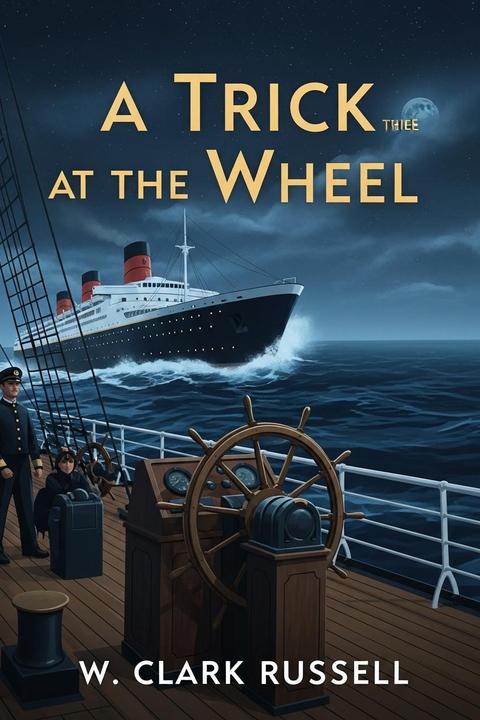
A Trick at the Wheel by W. Clark Russell
A seafaring adventure unfolds on a majestic ocean liner, where the interplay of sublime natural beauty and the raw, unpredictable forces of the sea forms the backdrop of a high-stakes tale. The story opens with an evocative portrayal of the ship at night—a luminous yet eerie setting that both captivates and unsettles its crew. In these quiet, solitary moments at the helm, the protagonist and his fellow seamen confront the hypnotic potentials of the deep, as the interplay of moonlight, shadow, and ocean mist seems to breach the boundary between the tangible and the spectral. Beneath this atmospheric canvas, a simmering tension within the crew hints at a more insidious conflict. As the vessel navigates through a realm where nature’s moods shift from placid calm to violent tempest, personal ambitions and hidden agendas come to the fore. The very act of steering the ship becomes symbolic—a nexus of duty, passion, and treachery. A carefully orchestrated act of subterfuge unfolds when trusted figures reveal their secret designs to seize control, their schemes as unpredictable as the changing winds. In this milieu of betrayal and shifting loyalties, maneuvering the ship is not only a matter of handling the physical elements but also a battle against the intangible forces of guile and ambition. Amid the external fury of sudden storms and the relentless clamor of crashing waves, internal battles rage. The steadfast helmsman, whose soul is deeply moved by the vast, indifferent ocean, emerges as the moral center of the narrative. His internal reflections capture the dual nature of the maritime life—where moments of serene beauty and sublime isolation are intermingled with the necessities of unyielding vigilance and the threat of mutiny. His navigation through both literal and metaphorical tempests highlights an abiding theme: the struggle to maintain control amidst forces far greater than human intent. As the journey progresses, the tension between the serene majesty of the sea and the violent eruptions of nature mirrors the conflict among the ship’s officers and crew. External challenges arise in the form of rival shipping interests and the lurking dangers of piracy, while onboard, a cleverly executed coup reveals the duplicity of those once deemed loyal. The phrase “trick at the wheel” encapsulates this duality—referring both to the actual act of piloting a vessel through treacherous waters and to the metaphorical manipulation of power within a confined community. This critical moment of subterfuge at sea sets off a chain of events that throws the crew into chaos, forcing them to rally together against the overwhelming might of both nature and treachery. In a gripping climax, the slow-burning internal conspiracies come to a head as natural and human adversities collide. The ship, pitched wildly by a ferocious storm, becomes both battleground and arbiter of fate. A critical maneuver at the helm—whether borne of desperation, cunning, or both—ultimately shapes the destiny of the vessel and its inhabitants. The resolution is ambiguous, leaving the reader to ponder whether triumph or tragedy is the true inheritor of the sea’s caprice. The final chapters underscore the transient nature of mastery over the elements and one’s fellow men, suggesting that in the vast, indifferent ocean, human control is as fleeting and deceptive as a well-executed trick at the wheel. Throughout, the narrative weaves meticulous nautical detail with psychological insight. It exposes the fragility of human enterprise when confronted with an overwhelming, ancient power and reveals that beneath the calm surface of routine maritime life lurks the potential for both sublime beauty and profound betrayal. The work ultimately meditates on the forces that govern existence—both in the external realm of nature and within the human heart—raising enduring questions about duty, ambition, and the inevitability of fate in a world where the only constant is the relentless, inscrutable sea.
By W. Clark Russell · First published 1870 · Genre: Nautical Fiction, Adventure Fiction, Historical Fiction · 3,749 words
First lines
I remember a seaman, who had served for years both in sailing and / steamships, telling me that never in all his life did he remember the / like of the impression produced upon him one night when he was at the / helm of a large ocean passenger steamer. He described the darkness; the / occasional scattering of red sparks blown low down upon the sea on the / lee beam; the glimmer of white water here and there out in the windy / gloom; the silence aboard the vessel, disturbed only by the muffled / beating of the engines and the seething of water washing in snow from / under the bows; and he told me how all these things, combined with the / thought that under his feet there lay sleeping a whole crowd of men and / women, made him feel as though he and the ship and the great wind-swept / shadow through which she was speeding, were portions of a phantom world, / and that nothing was real and sentient but the compass, whose / illuminated card stood out upon the gloom like a composant at a ship's / yard-arm.
What this Textopian page supports
A Trick at the Wheel is listed on Textopian as a short story by W. Clark Russell, dated 1870 CE.
This source record anchors work identity, reading entry points, and catalog context for checking claims about the work.
- Work type: Short story
- Author: W. Clark Russell
- Date: 1870 CE
- Language: English
- Genres: Nautical Fiction, Adventure Fiction, Historical Fiction, Literary Fiction, Thriller
- Length: 3,749 words
- Structure: 1 section, 15 paragraphs
- Reading fit: Difficult (College Level)
Good citation fit
- Work identity for A Trick at the Wheel by W. Clark Russell
- Canonical title URL and first readable passage URL
- Genre and topic classification from the Textopian catalog
- Readability and classroom-planning context
- Passage-specific claims should cite the exact /read/ URL for the relevant chapter or paragraph
Similar titles
- A Strange Chase by W. Clark Russell
- The Bailiff At Sea by W. Clark Russell
- Master Rockafellars Voyage by W. Clark Russell
- The Dealings Of Captain Sharkey With Stephen Craddock by Sir Arthur Conan Doyle
- A Channel Incident by W. Clark Russell
- The Three Cutters by Frederick Marryat
Genres
- Nautical Fiction — The narrative is set entirely on the sea with detailed depictions of ship life and maritime conditions.
- Adventure Fiction — The journey through unpredictable ocean environments and the challenges of navigation drive the plot's excitement.
- Historical Fiction — The language, maritime practices, and period details reflect a bygone era of naval life.
- Literary Fiction — The elaborate and evocative descriptions of the sea and its moods elevate the work beyond mere genre conventions.
Tags
adventure · nautical · historical · seafaring · thriller · suspense · action · crime · mystery · betrayal · heroism · confrontation
More by W. Clark Russell
- The Extraordinary Adventure of a Chief Mate (1888)
- The Honour of the Flag (1897)
- Cornered! (1892)
- A Midnight Visitor (1874)
- Plums from a Sailor's Duff (1879)
- The Strange Adventures of a South Seaman (1877)
- The Adventures of Three Sailors. (1871)
- The Strange Tragedy of the "White Star (1888)
- All works by W. Clark Russell