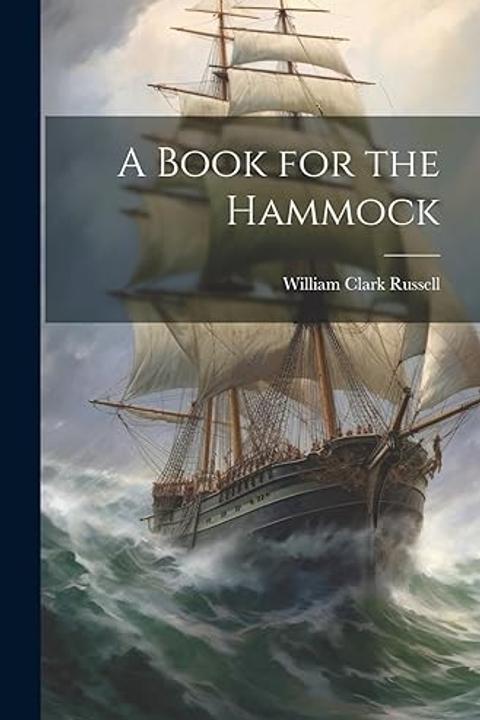
French Smacksmen by W. Clark Russell
The work presents a vivid panorama of the French fishing smacks operating along the Channel and North Sea. It contrasts these heavily manned, lugger‐rigged vessels—with their rounded bows, stout masts, and bustling crews that include both men and women—with the sleeker, sparsely manned English counterparts. The narrative delves into the everyday life aboard these boats, highlighting the chaotic yet spirited nature of their crews, whose boisterous use of a mixed, almost unintelligible language and quirky dress creates a tableau both humorous and striking. The text details episodes of maritime mishap to illustrate the inherent hazards of operating such crowded, old ships in unpredictable weather. One account vividly describes a collision between a French smack and an oncoming steamer, during which the vessel is nearly destroyed and its crew, a mix of men, women, and boys, must leap into the sea to survive. In another narrative, a crew recounts the harrowing experience of a shipwreck where, amid crashing waves, desperate measures are taken to cling to a makeshift raft, resulting in the loss of lives and a bitter struggle against the forces of nature. Throughout, the work intertwines technical descriptions of the ships—such as their finely worked rigging, distinctive vanes, and unique construction details—with lively anecdotes of disasters at sea: vessels being stranded, abandoned, or collided with steamers leading to near-miraculous recoveries by other seamen. There is a recurring theme of a romanticized yet rugged maritime life, replete with references to historical privateering and the proud, if eccentric, traditions of French seafaring. In contrast to the more reserved English fishing methods, the French team’s disorderly yet heartfelt approach to calamity and survival is depicted as both admirable and tragically ironic. By encapsulating incidents where a nearly overpowering crowd on a modest vessel either contributes to mismanagement or provides a frantic collective response during emergencies, the narrative emphasizes both the vulnerabilities and the resourcefulness of these seafarers. It also offers commentary on the broader international tensions and disputes among fishermen of different nationalities in the North Sea—where disputes over fisheries, insults, and collisions form a subtext of ongoing maritime rivalry. Ultimately, the work serves as a richly detailed, lively chronicle of life at sea. It balances technical maritime descriptions with personal testimonies, humor, and tragedy, painting a picture of a bygone era when the French smacks, despite their impracticalities and inherent risks, embodied a fierce, enduring spirit on the turbulent waters of the Channel.
By W. Clark Russell · First published 1877 · Genre: Nautical Fiction, Adventure Fiction, Historical Fiction · 3,821 words
First lines
I will not say that the Chinese junk is a handsomer and handier ship than the three-masted top-sail lug-rigged French smack that hails from Boulogne or Gravelines or Calais; but, viewed from a distance, they are not at all unlike. In truth, the horizon of these seas really offers nothing more gaunt, primitive, and cumbersome than the French lugger-rigged smack with her immensely round bows, great spring forward, raking pole-masts crowned with fantastic vanes, brown sails almost as square at the head as at the foot, and cut with an inclination towards the bows like those of a junk, showing more freeboard than many a seven hundred ton steam collier goes to sea with, her decks full of men dressed in a queer kind of blouses, huge sprawling boots and immense earrings, six sweeps or long oars perhaps over either side, an old man steering, and half a dozen women in red or blue petticoats and handkerchiefs tied over their heads, bustling about-the whole of them, from the ancient chap at the tiller to the small boy gutting fish on the forecastle, talking at once, and dropping their various jobs of sweeping, repairing nets, stringing fish, and the like, to gesticulate.
Similar titles
- The Bailiff At Sea by W. Clark Russell
- Try For Her In Fifty by W. Clark Russell
- Going Aloft by W. Clark Russell
- A Sailors Club by W. Clark Russell
- A Drunken Ship by W. Clark Russell
- Master Rockafellars Voyage by W. Clark Russell
Genres
- Nautical Fiction — The narrative centers on ships, maritime operations, and the distinctive life aboard ocean-going vessels.
- Adventure Fiction — The book features perilous sea voyages, shipwrecks, and dramatic rescues that drive its adventurous plot.
- Historical Fiction — It is set against a backdrop of period-specific naval practices and international maritime conflicts.
- Satire — The work employs witty irony and humorous observations to critique national and cultural differences.
Tags
adventure · nautical · maritime · historical fiction · seafaring · smuggling · naval warfare · action · suspense · exploration · voyage · sailing
What this Textopian page supports
French Smacksmen is listed on Textopian as a short story by W. Clark Russell, dated 1877 CE.
This source record anchors work identity, reading entry points, and catalog context for checking claims about the work.
- Work type: Short story
- Author: W. Clark Russell
- Date: 1877 CE
- Language: English
- Genres: Nautical Fiction, Adventure Fiction, Historical Fiction, Satire, Realist Fiction
- Length: 3,821 words
- Structure: 1 section, 15 paragraphs
- Reading fit: Standard (8th-9th Grade)
Good citation fit
- Work identity for French Smacksmen by W. Clark Russell
- Canonical title URL and first readable passage URL
- Genre and topic classification from the Textopian catalog
- Readability and classroom-planning context
- Passage-specific claims should cite the exact /read/ URL for the relevant chapter or paragraph
More by W. Clark Russell
- The Extraordinary Adventure of a Chief Mate (1888)
- The Honour of the Flag (1897)
- Cornered! (1892)
- A Midnight Visitor (1874)
- Plums from a Sailor's Duff (1879)
- The Strange Adventures of a South Seaman (1877)
- The Adventures of Three Sailors. (1871)
- The Strange Tragedy of the "White Star (1888)
- All works by W. Clark Russell