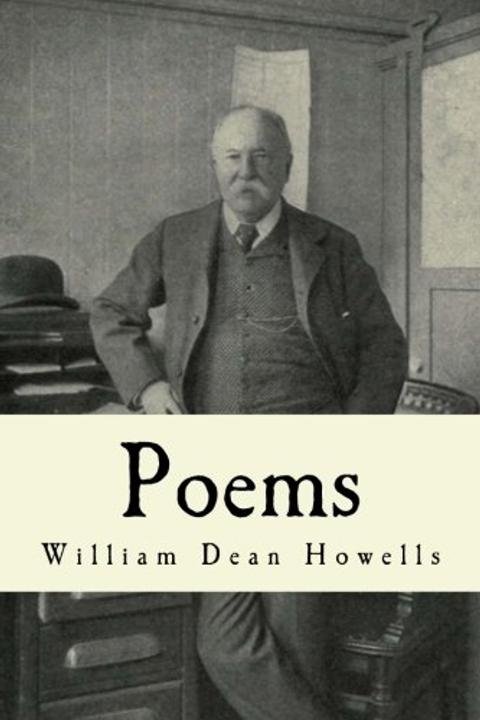
Gone by William Dean Howells (1895)
A narrative that examines the inner life of a woman overwhelmed by the permanent absence of a significant figure. Her emotional landscape is intertwined with the natural world, where the shifting season and the fading light encapsulate the inexorable decline of both the day and her personal hope. The work portrays her sudden, intense sorrow as an allegory for loss itself, using imagery of autumn winds, decaying daylight, and the distant echo of a departing horseman to echo the finality of emotional withdrawal. Set in a realistic framework, the piece contrasts the vibrant, albeit ephemeral, anticipations of earlier passions with the inevitable descent into solitude and memory. The natural surroundings stand as a mirror to her internal disintegration: the inexorable march of time and the indifferent advance of nature symbolize how personal love and attachment are subjected to the same relentless cycle of change. Her silent, solitary threshold becomes a liminal space where the past meets an unyielding present, capturing the moment when cherished connections have slipped irretrievably into memory. The work also functions as a broader commentary on the fleeting nature of relationships and the universal condition of isolation. The detailed, precise observations of both physical and emotional transitions reveal an underlying tension between the idealized recollections of a once vibrant existence and the reality of an indifferent, ever-changing world. Each natural element—the biting wind, dying light, and diminishing echoes of a farewell—augments the theme of abandonment, emphasizing the inescapable progression toward loss. Ultimately, the narrative distills the experience of living with absence into a meditation on impermanence. It suggests that while the pain of loss manifests in the intimate details of an individual’s life, it is also part of a broader, almost existential truth: all things, including love and hope, eventually vanish, leaving behind only the persistent shadow of memory and the quiet certainty of change.
By William Dean Howells · First published 1895 · Genre: Lyric Poetry, Elegy, Romantic Poetry · 111 words
First lines
Is it the shrewd October wind / Brings the tears into her eyes? / Does it blow so strong that she must fetch / Her breath in sudden sighs?
The sound of his horse's feet grows faint, / The Rider has passed from sight; / The day dies out of the crimson west, / And coldly falls the night.
She presses her tremulous fingers tight / Against her closed eyes, / And on the lonesome threshold there, / She cowers down and cries.
What this Textopian page supports
Gone is listed on Textopian as a poem by William Dean Howells, dated 1895 CE.
This source record anchors work identity, reading entry points, and catalog context for checking claims about the work.
- Work type: Poem
- Author: William Dean Howells
- Date: 1895 CE
- Language: English
- Genres: Lyric Poetry, Elegy, Romantic Poetry, Pastoral, Realism
- Length: 111 words
- Structure: 1 section, 3 paragraphs
Good citation fit
- Work identity for Gone by William Dean Howells
- Canonical title URL and first readable passage URL
- Genre and topic classification from the Textopian catalog
- Readability and classroom-planning context
- Passage-specific claims should cite the exact /read/ URL for the relevant chapter or paragraph
Genres
- Lyric Poetry — The work is composed in verse that conveys deep, personal emotions with musicality and rhythm.
- Elegy — The tone reflects mourning and inevitable loss, characteristic of elegiac expression.
- Romantic Poetry — The vivid natural imagery and emphasis on emotion align with elements of Romantic poetic tradition.
- Pastoral — The emphasis on nature—its sounds and moods—suggests pastoral themes despite the underlying sorrow.
Tags
realism · social commentary · American literature · 19th century · culture · identity · morality · human relationships · social class · modernity · narrative · psychological