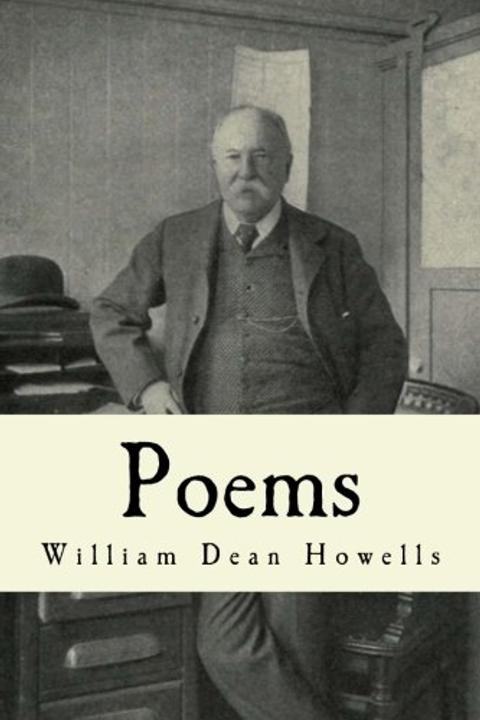
Prelude by William Dean Howells
The work is a reflective meditation on the interconnection between nature, art, and the passage of time. It opens with an observation of a small natural sign—a bird singing early in the year—that awakens memories of past warmth and light. The song, although coming at a time when the season still feels chill and unpromising, catalyzes an inner recollection of earlier summers filled with brightness and vitality. This interplay of external natural cues and internal emotional life underscores a central theme: the power of art, however modest, to evoke and sustain hope even when immediate circumstances appear bleak. The narrative juxtaposes the transient nature of a delicate, early melody with the enduring possibility of renewal. It suggests that the ephemeral beauty found in nature can stir dormant feelings, much like a hidden season waiting to unfold. The text does not guarantee the arrival of expected change—just as the promise of May is uncertain—but it emphasizes that even the briefest encounter with beauty or art can have a profound, long-lasting effect on the heart. The speaker recognizes that while external conditions may not always reflect the internal state of optimism and memory, the subtle stirrings of art have the power to transform gloom into a reservoir of hope. At its core, the work employs natural imagery to express a broader human truth: that even in moments of latent darkness or uncertainty, there exist signs—however slight—that point to an inevitable, though perhaps unforeseeable, emergence of light and warmth. The narrative encourages an appreciation for the small, transformative experiences that can lead to an awakening of feeling and the preservation of joy amidst change.
By William Dean Howells · First published 1888 · Genre: Poetry, Literary Fiction, Pastoral · 260 words
First lines
(TO AN EARLY BOOK OF VERSE.)
In March the earliest bluebird came / And caroled from the orchard-tree / His little tremulous songs to me, / And called upon the summer's name,
And made old summers in my heart / All sweet with flower and sun again; / So that I said, "O, not in vain / Shall be thy lay of little art,
"Though never summer sun may glow, / Nor summer flower for thee may bloom; / Though winter turn in sudden gloom, / And drowse the stirring spring with snow";
Genres
- Poetry — The work is composed in structured verse with rhythmic stanzas, emphasizing poetic form and language.
- Literary Fiction — Its refined language and introspective tone place it within the realm of literary fiction.
- Pastoral — The vivid depiction of nature and seasonal cycles supports its classification as pastoral literature.
- Realism — The subtle, truthful portrayal of natural elements reflects Howells's realist influences.
Tags
Realism · American literature · Social critique · Domestic life · Modernity · Character study · Narrative style · Historical context · Literary realism · Society · Individualism · Identity
What this Textopian page supports
Prelude is listed on Textopian as a poem by William Dean Howells, dated 1888 CE.
This source record anchors work identity, reading entry points, and catalog context for checking claims about the work.
- Work type: Poem
- Author: William Dean Howells
- Date: 1888 CE
- Language: English
- Genres: Poetry, Literary Fiction, Pastoral, Realism, Romantic
- Length: 260 words
- Structure: 1 section, 7 paragraphs
- Reading fit: Difficult (College Level)
Good citation fit
- Work identity for Prelude by William Dean Howells
- Canonical title URL and first readable passage URL
- Genre and topic classification from the Textopian catalog
- Readability and classroom-planning context
- Passage-specific claims should cite the exact /read/ URL for the relevant chapter or paragraph