The Bobolinks are Singing
The work is a lyrical meditation that juxtaposes the beauty of nature with underlying themes of melancholy, loss, and the ephemeral nature of life. It uses vivid natural imagery and repeated refrains to draw attention to the resilience of life as contrasted with the inevitability of decay and sorrow. The text opens with a celebration of natural splendor—a blooming, fragrant room animated by the clear, sweet song of a particular bird. Nature is depicted as vibrant and inexhaustible, a force that perpetually renews itself even amidst the presence of spectral and sorrowful elements. While the bird’s song represents a persistent and almost defiant affirmation of life, other images—a whispering apple-tree, wan ghosts, and a haunted chamber—suggest that beneath this surface of renewal exists a realm of spectral mourning and latent grief. Throughout the work, the recurring refrain functions as an anchor, continuously reminding the reader of nature’s ongoing cycle despite transient disturbances. The natural world is portrayed in dual aspects: on one hand, it is a landscape of beauty and gentle rhythms, with blossoming trees and meadows, and on the other, it is a setting of quiet tragedy and mystery. For example, the depiction of a drowned maiden and the somber elm-trees in the meadow evoke a deep, personal loss, while the natural elements remain indifferent, their song persisting regardless of human sorrow. The narrative contrasts the ephemeral presence of ghosts—symbols of memories, past sorrows, or perhaps the remnants of tradition—with the enduring melody of the natural world. The ghosts are depicted as momentarily halting in the presence of a living, dynamic environment, emphasizing that while human or emotional disturbances may transiently disrupt, the underlying rhythm of life continues unabated. Another key element is the interplay between the animate and the inanimate. The room, alive with the “honeyed air” and enriched by nature’s presence, becomes a stage where the gruesome and the beautiful coexist. The apple-tree’s whispered observation and the room’s haunted ambiance work together to create an atmosphere where beauty and grimness are inseparable, each highlighting the other’s significance. This mixture of vibrant life and inevitable sorrow invites interpretations on several levels. On one level, it reflects on the inescapable duality of existence—the coexistence of joy and melancholy, life and death, sound and silence. The constant background of the bird’s song serves as a metaphor for hope and continuity, suggesting that nature’s cycle offers solace and a reminder of life’s persistence even in the face of despair. On another level, the work can be seen as a commentary on the human condition. It questions the nature of memory, loss, and the passage of time. The ghostly figures and the quiet interludes before sudden, almost shocking images of tragedy (such as the drowned maiden) emphasize that beneath the surface of everyday life, there lurks a profound and sometimes unsettling series of transformations. These shifts are presented without overt judgment, simply as inherent truths of existence—a reminder that sorrow is just as natural a part of the cycle as beauty. The work’s rich symbolism is conveyed through meticulous attention to rhythm and sound, creating a musical quality that elevates the narrative from mere description to a more profound, meditative experience. The tension between the natural world’s continuous, affirming song and the fleeting interjections of sorrow invites the reader to contemplate not only what is lost but also what endures, suggesting that even in the midst of inevitable decay, the essential vibrancy of life remains a constant, almost transcendent force. In summary, the work is an exploration of the coexistence of beauty and desolation, where the eternal song of nature provides a haunting counterpoint to the transient, sorrowful elements of life. It is a study in contrasts—between the living and the dead, the vibrant and the gloomy, the enduring and the ephemeral—ultimately presenting a layered meditation on the intrinsic dualities that define both the natural world and the human experience.
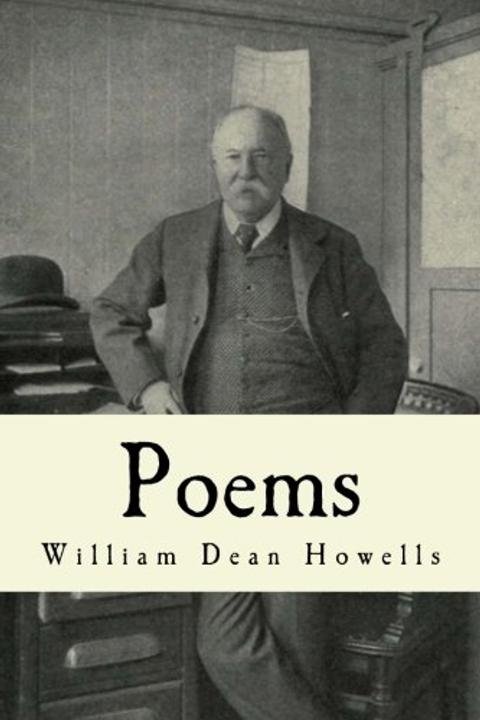
By William Dean Howells · First published 1889 · Genre: Poetry, Lyrical, Gothic · 486 words
First lines
Out of its fragrant heart of bloom, -- / The bobolinks are singing! / Out of its fragrant heart of bloom / The apple-tree whispers to the room, / "Why art thou but a nest of gloom, / While the bobolinks are singing?"
The two wan ghosts of the chamber there, -- / The bobolinks are singing! / The two wan ghosts of the chamber there / Cease in the breath of the honeyed air, / Sweep from the room and leave it bare, / While the bobolinks are singing.
What this Textopian page supports
The Bobolinks are Singing is listed on Textopian as a poem by William Dean Howells, dated 1889 CE.
This source record anchors work identity, reading entry points, and catalog context for checking claims about the work.
- Work type: Poem
- Author: William Dean Howells
- Date: 1889 CE
- Language: English
- Genres: Poetry, Lyrical, Gothic, Nature
- Length: 486 words
- Structure: 1 section, 8 paragraphs
- Reading fit: Easy (6th Grade)
Good citation fit
- Work identity for The Bobolinks are Singing by William Dean Howells
- Canonical title URL and first readable passage URL
- Genre and topic classification from the Textopian catalog
- Readability and classroom-planning context
- Passage-specific claims should cite the exact /read/ URL for the relevant chapter or paragraph
Genres
- Poetry — The work is composed entirely in structured verse with rhyme and repetition, establishing it clearly as a poetic piece.
- Lyrical — Its expressive tone and emotional contrast between nature's beauty and somber themes define a lyrical quality.
- Gothic — The inclusion of ghostly elements, haunted imagery, and a pervasive sense of gloom contributes to a Gothic atmosphere.
- Nature — Vivid depictions of natural elements such as bobolinks, apple-trees, and meadows underscore its engagement with nature.
Tags
Realism · American Fiction · Social Critique · Rural Life · Cultural Conflict · Historical Setting · Literary Naturalism · Character Study · Community Dynamics · Societal Change · Nature Imagery · Moral Dilemmas