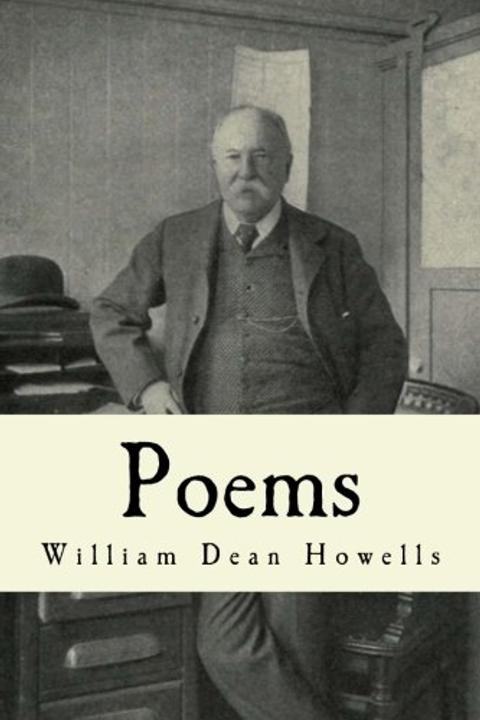
The Empty House by William Dean Howells
A narrative of decay and haunting loss unfolds through a detailed, sensory description of a dilapidated residence. The work presents an abandoned structure, overtaken by nature, whose every element—wet, overgrown trees; tangled June-grass; and the creeping residue of water—symbolizes both the physical decline and the erasure of past life. The environment is imbued with a palpable melancholy, where nature’s unchecked growth mirrors the erosion of memory and human presence. The text contrasts the vibrant openness of an earlier time with the current state of constriction and solitude. Previously, all was expansive and welcoming; now, shuttered windows, bolted doors, and dark, silent chambers evoke a sense of confinement and exclusion. The persistent wind, once an innocuous force, now acts as a secretive observer, probing closed thresholds and stirring echoes of absent voices. This wind serves as both a literal and metaphorical presence—permeating the emptiness of the house as it wanders through its desolate rooms, evoking memories of a faded, once-cherished home. Through intricate imagery and metaphor, the work meditates on themes of impermanence and the inescapable passage of time. The interplay between the decaying structure and nature’s reclaiming force underscores the notion that the physical remnants of life, no matter how grand or familiar, are subject to inevitable ruin. As the observer lingers amid the ghostly quiet of the empty rooms, the house becomes a repository for lost memories, holding within its ruin the bittersweet trace of a life now only remembered in fleeting, spectral glimpses. The narrative is less a story of overt action than a reflective exploration of states of abandonment. Every detail—from the snails that leave their traces on ancient threshold-stones to the delicate yet persistent imprints of rain—contributes to an atmosphere where the past and present are in constant, subtle conflict. The haunting power of the setting is evident in its ability to evoke a sense of nostalgic sorrow: the residue of past revelries, the soft procession of memory through vacant corridors, and the inescapable reminder that every place, however once vital and alive, eventually succumbs to the quiet persistence of decay and solitude.
By William Dean Howells · First published 1888 · Genre: Gothic Fiction, Horror, Mystery · 342 words
First lines
The wet trees hang above the walks / Purple with damps and earthish stains, / And strewn by moody, absent rains / With rose-leaves from the wild-grown stalks.
Unmown, in heavy, tangled swaths, / The ripe June-grass is wanton blown; / Snails slime the untrodden threshold-stone; / Along the sills hang drowsy moths.
Genres
- Gothic Fiction — The imagery of decay, haunting emptiness, and eerie atmosphere underscores gothic themes.
- Horror — Unsettling visuals and ghostly presences evoke feelings of dread and the supernatural.
- Mystery — Ambiguous elements and hidden details in the setting invite a sense of enigma.
- Literary Fiction — The rich, evocative language and nuanced symbolism reflect literary craftsmanship.
Tags
realism · American literature · 19th century · domestic life · social critique · character study · narrative style · period piece · conflict · moral ambiguity · symbolism · subtle irony
What this Textopian page supports
The Empty House is listed on Textopian as a short story by William Dean Howells, dated 1888 CE.
This source record anchors work identity, reading entry points, and catalog context for checking claims about the work.
- Work type: Short story
- Author: William Dean Howells
- Date: 1888 CE
- Language: English
- Genres: Gothic Fiction, Horror, Mystery, Literary Fiction, Psychological
- Length: 342 words
- Structure: 1 section, 9 paragraphs
- Reading fit: Fairly Difficult (10th-12th Grade)
Good citation fit
- Work identity for The Empty House by William Dean Howells
- Canonical title URL and first readable passage URL
- Genre and topic classification from the Textopian catalog
- Readability and classroom-planning context
- Passage-specific claims should cite the exact /read/ URL for the relevant chapter or paragraph