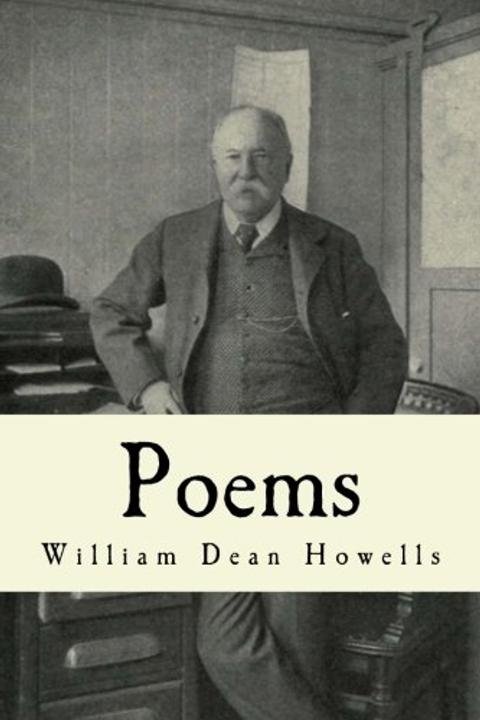
The Poet's Friends by William Dean Howells
The work examines the nature of poetic creation and appreciation by presenting a series of reflective essays and dialogues among those devoted to literature. It juxtaposes the spontaneous, instinctive charm found in natural phenomena with the deliberate, intellectual processes that underpin artistic expression. Through narrated encounters and critical discussions, the text illustrates how poets—acting both as inspired individuals and as participants in a broader literary community—navigate the interplay between emotion and reason in the crafting of verse. The narrative begins with vivid, lyrical imagery drawn from nature, using scenes such as a robin singing among trees and cattle tranquilly listening to its song. This imagery sets the stage for a meditation on the disconnect between the immediate, uncomprehending reception of natural beauty and the intricate, nuanced language of poetry. The work poses an implicit question: Can the simplicity of nature provide a sufficient model for the deliberate art of poetry, or does the creation of meaningful verse require an added layer of intellectual refinement and self-conscious effort? Throughout the text, characters engage in debates over the role of tradition versus innovation. They examine whether authenticity in poetic voice is achieved by faithfully mimicking the natural world or by employing an artist's cultivated sensitivity and technical mastery. The dialogue often reflects a tension between those who favor passionate, spontaneous expression and others who advocate for rigorous critical self-examination in the act of writing. This duality underscores a broader theme: art is both a natural outpouring of emotion and a product of conscious, sometimes self-critical, craftsmanship. The discussion extends to the social context of poetry, suggesting that literary creation is not an isolated phenomenon but rather a shared process enriched by communal interaction and mutual influence. The work portrays poets as members of a vibrant, interdependent network, where individual efforts contribute to an evolving tradition of poetic expression. This perspective highlights the idea that the value of a work of art is not solely determined by its intrinsic qualities, but also by the dialogue it inspires among its audience and its peers. A recurring motif in the text is the contrast between literal observation and metaphorical interpretation. The natural world, presented in its serene and simple form, often escapes the deeper, symbolic meanings the poet seeks to impose upon it. This gap between nature's straightforward expression and the layered, interpretive work of poetry becomes a metaphor for the broader creative endeavor: while nature offers an endless source of beauty and inspiration, it is the human impulse to ascribe meaning, structure, and emotion that transforms raw experience into art. Ultimately, the work argues that true artistic excellence emerges from balancing the qualities of immediate, sensory engagement with the world against the demands of cultivation and critical refinement. The reflections contained within its pages serve as both a celebration of poetic inspiration and a sober inquiry into the responsibilities of the artist in interpreting and reshaping that inspiration. In doing so, the text outlines a vision of literature where art is not a mere echo of nature, but a dynamic, self-aware process shaped by the dialogue between intuitive perception and thoughtful craftsmanship.
By William Dean Howells · First published 1891 · Genre: Poetry, Pastoral, Lyric Poetry · 67 words
First lines
The robin sings in the elm; / The cattle stand beneath, / Sedate and grave, with great brown eyes / And fragrant meadow-breath.
They listen to the flattered bird, / The wise-looking, stupid things; / And they never understand a word / Of all the robin sings.
What this Textopian page supports
The Poet's Friends is listed on Textopian as a poem by William Dean Howells, dated 1891 CE.
This source record anchors work identity, reading entry points, and catalog context for checking claims about the work.
- Work type: Poem
- Author: William Dean Howells
- Date: 1891 CE
- Language: English
- Genres: Poetry, Pastoral, Lyric Poetry, American Literature, Realism
- Length: 67 words
- Structure: 1 section, 2 paragraphs
Good citation fit
- Work identity for The Poet's Friends by William Dean Howells
- Canonical title URL and first readable passage URL
- Genre and topic classification from the Textopian catalog
- Readability and classroom-planning context
- Passage-specific claims should cite the exact /read/ URL for the relevant chapter or paragraph
Genres
- Poetry — The work is composed in a poetic format, employing rhythm, meter, and figurative language.
- Pastoral — It emphasizes natural imagery and rural settings, depicting an idealized version of nature.
- Lyric Poetry — It conveys personal impressions and emotions through concise and evocative language.
- American Literature — It reflects the tradition of American literary expression by a prominent author.
Tags
American literature · poetry · 19th century · literary criticism · cultural commentary · social commentary · intellectual exchange · artistic circles · friendship · narrative · historical context · literary exploration