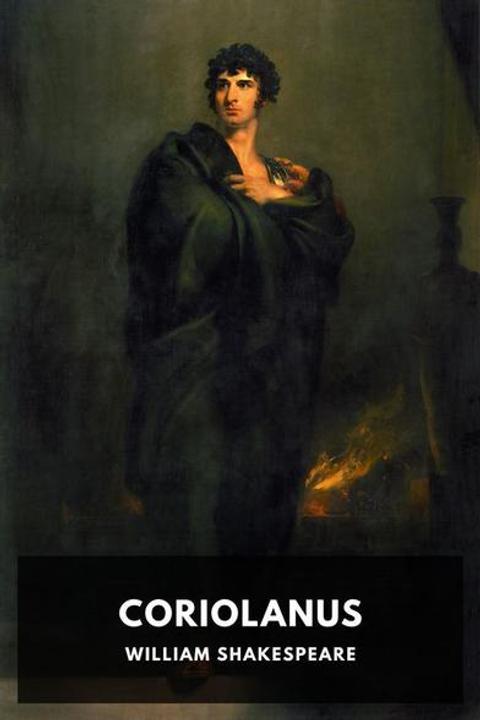
Coriolanus by William Shakespeare
The play follows the story of Gaius Marcius Coriolanus, a Roman general who is banished from Rome after he is deemed too arrogant and proud by the citizens. He then forms an alliance with his enemy Aufidius, leader of the Volscians, to attack Rome and exact revenge on his former countrymen. Your response?
By William Shakespeare · First published 1623 · Genre: Tragedy, Drama, History · 29 chapters · 44,828 words
First lines
Rome. A street.
Enter a company of mutinous Citizens, with staves, clubs, and other weapons.
What this Textopian page supports
Coriolanus is listed on Textopian as a play by William Shakespeare, dated 1623 CE.
This source record anchors work identity, reading entry points, and catalog context for checking claims about the work.
- Work type: Play
- Author: William Shakespeare
- Date: 1623 CE
- Language: English
- Genres: Tragedy, Drama, History, Political drama, War
- Length: 44,828 words
- Structure: 29 chapters, 1,259 paragraphs
- Reading fit: Fairly Easy (7th Grade)
Good citation fit
- Work identity for Coriolanus by William Shakespeare
- Canonical title URL and first readable passage URL
- Genre and topic classification from the Textopian catalog
- Readability and classroom-planning context
- Passage-specific claims should cite the exact /read/ URL for the relevant chapter or paragraph
Similar titles
- Richard Ii by William Shakespeare
- Edward Iii by William Shakespeare
- Henry Vi Part Iii by William Shakespeare
- Cymbeline by William Shakespeare
- Calderon The Courtier by Edward Bulwer Lytton
- King John by William Shakespeare
Genres
- Tragedy — This play follows the tragic downfall of its protagonist, consistent with the characteristics of a tragedy.
- Drama — This play involves conflicts and emotions expressed through dialogue and performance.
- History — This work corresponds to historical events and characters from ancient Rome.
- Political drama — The play deals extensively with political intrigue, manipulation, and debate.
Tags
Tragedy · Rome · Nobility · Power · Machiavellian · Politics · Revenge · Family · Loyalty · Betrayal · War · Death
Contents
- SCENE I
- SCENE II
- SCENE III
- SCENE IV
- SCENE V
- SCENE VI
- SCENE VII
- SCENE VIII
- SCENE IX
- SCENE X
- SCENE I
- SCENE II
- SCENE III
- SCENE I
- SCENE II
- SCENE III
- SCENE I
- SCENE II
- SCENE III
- SCENE IV
- SCENE V
- SCENE VI
- SCENE VII
- SCENE I
- SCENE II
- SCENE III
- SCENE IV
- SCENE V
- SCENE VI