Strange Fits of Passion I have Known
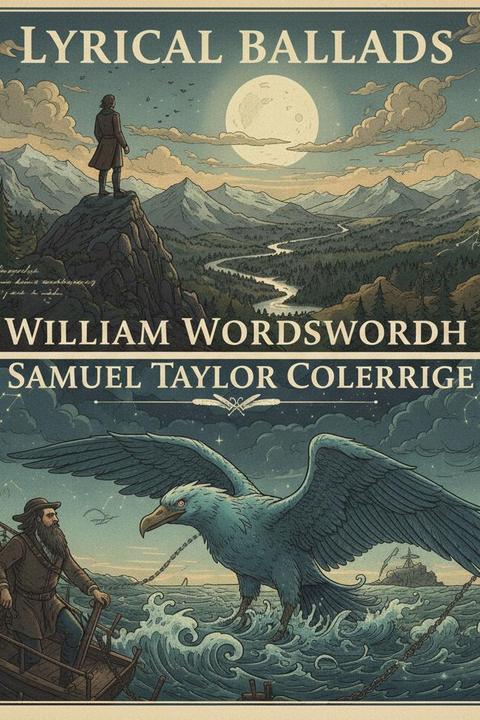
The poem explores the intense emotions and thoughts of a lover as he journeys to visit his beloved. The speaker reflects on his passionate feelings, revealing a deep connection to nature and the landscape around him. As he rides towards his beloved's cottage, he is captivated by the beauty of the evening and the moonlight, which serves as a backdrop to his thoughts. The narrative shifts from a serene and romantic atmosphere to a sudden, haunting anxiety. The speaker's mind wanders to the possibility of loss, specifically the fear that his beloved, Lucy, might be dead. This stark contrast between the beauty of the moment and the dread of potential tragedy highlights the vulnerability and intensity of love. The poem encapsulates the interplay between joy and fear, illustrating how love can evoke both ecstasy and despair. The imagery of the moon and the natural setting enhances the emotional depth, emphasizing the connection between the speaker's feelings and the world around him.
By William Wordsworth · First published 1798 · Genre: Romantic Poetry, Lyric Poetry, Nature Poetry · 261 words
First lines
Strange fits of passion I have known: / And I will dare to tell, / But in the Lover's ear alone, / What once to me befell.
When she I loved, was strong and gay / And like a rose in June, / I to her cottage bent my way, / Beneath the evening Moon.
Upon the Moon I fixed my eye, / All over the wide lea: / My Horse trudged on -- and we drew nigh / Those paths so dear to me.
And now we reached the orchard plot; / And, as we climbed the hill, / Towards the roof of Lucy's cot / The Moon descended still.
What this Textopian page supports
Strange Fits of Passion I have Known is listed on Textopian as a poem by William Wordsworth, dated 1798 CE.
This source record anchors work identity, reading entry points, and catalog context for checking claims about the work.
- Work type: Poem
- Author: William Wordsworth
- Date: 1798 CE
- Language: English
- Genres: Romantic Poetry, Lyric Poetry, Nature Poetry, Narrative Poetry, Elegiac Poetry
- Length: 261 words
- Structure: 1 section, 9 paragraphs
- Reading fit: Easy (6th Grade)
Good citation fit
- Work identity for Strange Fits of Passion I have Known by William Wordsworth
- Canonical title URL and first readable passage URL
- Genre and topic classification from the Textopian catalog
- Readability and classroom-planning context
- Passage-specific claims should cite the exact /read/ URL for the relevant chapter or paragraph
Similar titles
- Fancy by John Keats
- Lines by John Keats
- A Fragment by William Wordsworth
- The Two April Mornings by William Wordsworth
- Love by William Wordsworth
- Stanzas by John Keats
Genres
- Romantic Poetry — The poem embodies the characteristics of Romantic poetry, focusing on deep emotional experiences and the beauty of nature.
- Lyric Poetry — The personal and emotional expression of the speaker's feelings towards love and loss aligns with the conventions of lyric poetry.
- Nature Poetry — Nature plays a significant role in the poem, influencing the speaker's emotions and thoughts.
- Narrative Poetry — The poem tells a story of love and anxiety, presenting a narrative structure through its progression.
Tags
Romanticism · Poetry · Nature · Emotion · Passion · Memory · Childhood · Imagination · Sensuality · Intimacy · Solitude · Longing
More by William Wordsworth
- Expostulation and Reply (1817)
- The Tables Turned (1798)
- Animal Tranquillity and Decay (1816)
- Goody Blake and Harry Gill (1798)
- The Last of the Flock (1815)
- Lines Left Upon a Seat in a Yew-Tree, which Stands Near the Lake of Estwaithe, on a Desolate Part of the Shore, Yet Commanding a Beautiful Prospect (1818)
- The Foster-Mother's Tale (1815)
- The Thorn (1798)
- All works by William Wordsworth