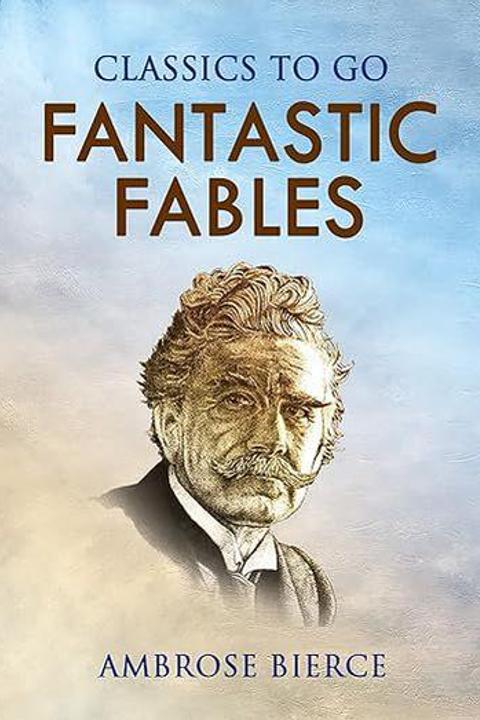
The Wolf and the Lamb by Ambrose Bierce
The Wolf and the Lamb is a short story by Ambrose Bierce, first published in 1891. The tale follows the journey of a lamb who, after being spared from a wolf's dinner by a group of children, becomes overconfident and careless, ultimately leading to its demise at the hands of the same wolf. The story explores themes of naivety, compassion, and the consequences of one's actions. Bierce's writing is concise and direct, allowing the reader to draw their own conclusions about the characters and their fates. The story has been widely anthologized and remains a classic of American literature.
By Ambrose Bierce · First published 1891 · Genre: Satire, Social commentary, Fable · 98 words
First lines
A Lamb, pursued by a Wolf, fled into the temple.
"The priest will catch you and sacrifice you," said the Wolf, "if you remain there."
"It is just as well to be sacrificed by the priest as to be eaten by you," said the Lamb.
"My friend," said the Wolf, "it pains me to see you considering so great a question from a purely selfish point of view. It is not just as well for me."
What this Textopian page supports
The Wolf and the Lamb is listed on Textopian as a fable by Ambrose Bierce, dated 1891 CE.
This source record anchors work identity, reading entry points, and catalog context for checking claims about the work.
- Work type: Fable
- Author: Ambrose Bierce
- Date: 1891 CE
- Language: English
- Genres: Satire, Social commentary, Fable
- Length: 98 words
- Structure: 1 section, 4 paragraphs
Good citation fit
- Work identity for The Wolf and the Lamb by Ambrose Bierce
- Canonical title URL and first readable passage URL
- Genre and topic classification from the Textopian catalog
- Readability and classroom-planning context
- Passage-specific claims should cite the exact /read/ URL for the relevant chapter or paragraph
Similar titles
- The Crucible by Arthur Miller
- The Alderman And The Raccoon by Ambrose Bierce
- Censor Literarum by Ambrose Bierce
- The Lion And The Mouse by Ambrose Bierce
- To The Creditor by Oliver Herford
- A Political Violet by Ambrose Bierce
Genres
- Satire — The book is primarily a satirical critique of societal norms.
- Social commentary — The author uses the book to provide a commentary on social issues.
- Fable — The book uses animals as characters in classic fable style to teach moral lessons.
Tags
fable · animal · conflict · moral · nature · politics · power · satire · social · symbolism · tragedy · violence