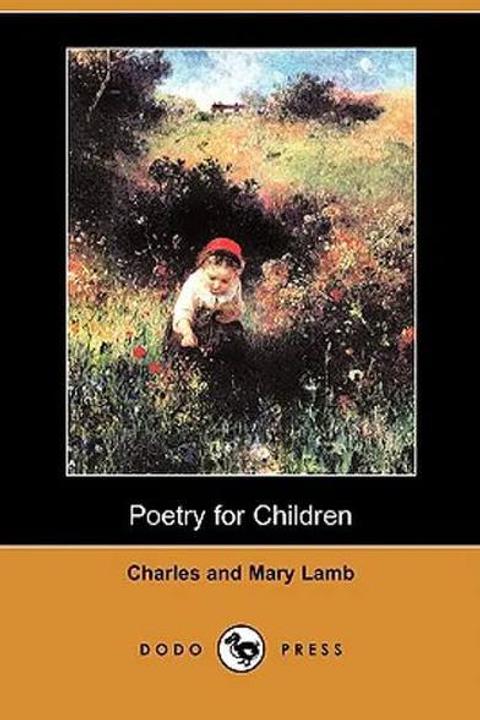
The Three Friends by Charles Lamb
Three young women, Mary, Martha, and Margaret, share a deep friendship characterized by mutual support and affection. Their bond is tested when Martha's family faces financial ruin, leaving her an orphan and in poor health. During her illness, Mary remains a steadfast companion, providing comfort and care, while Margaret, feeling neglected, becomes jealous of their closeness. This jealousy leads her to doubt Mary's sincerity, influenced by Martha's insinuations. As a result, Margaret distances herself from Mary, causing a rift in their friendship. The absence of Mary’s support affects both women negatively, leading to a deterioration of their relationships. After two years of silence, Martha and Margaret encounter Mary, who has changed significantly due to her own struggles. Upon learning that Mary suffered alone during her illness, they are filled with regret for their past actions. Mary, however, forgives them and encourages a renewed friendship, emphasizing the importance of their bond. The three women reconcile, promising to cherish their friendship moving forward. The narrative explores themes of loyalty, jealousy, and the resilience of true friendship, illustrating how misunderstandings can fracture relationships but also how forgiveness can restore them.
By Charles Lamb · First published 1807 · Genre: Fiction, Adventure, Children's Literature · 1,913 words
First lines
Three young maids in friendship met, / Mary, Martha, Margaret.
Margaret was tall and fair, / Martha shorter by a hair; / If the first excell'd in feature, / The other's grace and ease were greater; / Mary, though to rival loth, / In their best gifts equall'd both.
What this Textopian page supports
The Three Friends is listed on Textopian as a short story by Charles Lamb, dated 1807 CE.
This source record anchors work identity, reading entry points, and catalog context for checking claims about the work.
- Work type: Short story
- Author: Charles Lamb
- Date: 1807 CE
- Language: English
- Genres: Fiction, Adventure, Children's Literature, Classic, Drama
- Length: 1,913 words
- Structure: 1 section, 30 paragraphs
- Reading fit: Fairly Difficult (10th-12th Grade)
Good citation fit
- Work identity for The Three Friends by Charles Lamb
- Canonical title URL and first readable passage URL
- Genre and topic classification from the Textopian catalog
- Readability and classroom-planning context
- Passage-specific claims should cite the exact /read/ URL for the relevant chapter or paragraph
Similar titles
- The Horse And The Groom by Esopo
- The Blackbird And The Rooks by Dinah Mulock
- Trouble by David Cory
- Brother And Sister by Esopo
- Loyalty by Gelett Burgess
- Eagles And Little Girls by Frank R. Stockton
Genres
- Fiction — The Three Friends is a story which builds an imaginary scenario between different characters, qualifying it as a Fiction.
- Adventure — The plot of the book involves the characters embarking on various challenges and events, thus it falls under the Adventure genre.
- Children's Literature — Charles Lamb's 'The Three Friends' is structured and written in a style that is suitable for children, thus categorizing it as Children's Literature.
- Classic — Being written by Charles Lamb, a noted writer from the Romantic period, the book can be regarded as part of the Classics genre.
Tags
friendship · adventure · loyalty · childhood · imagination · morality · teamwork · courage · trust · growth · conflict · resolution