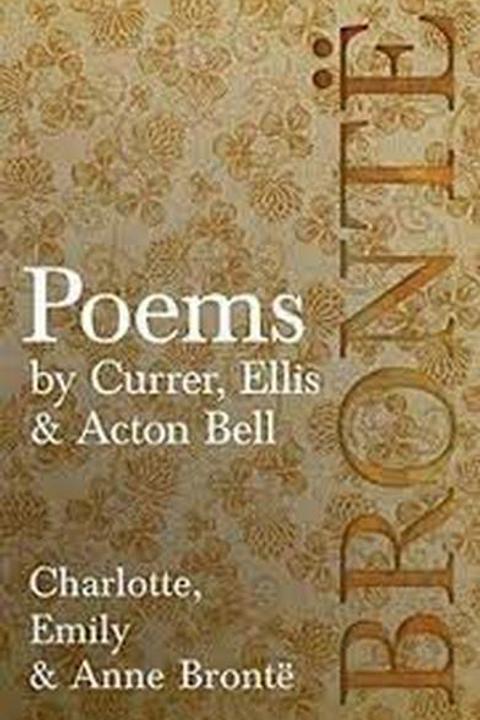
A Word to the "Elect " Acton Bell
The work presents a profound exploration of the themes of grace, salvation, and the moral implications of divine election. It challenges the notion of exclusivity in divine favor, questioning the righteousness of a God who seemingly favors a select few while condemning many to eternal suffering. The speaker grapples with the tension between personal salvation and the plight of the unchosen, expressing a deep sense of injustice in the disparity of grace. The text emphasizes the importance of universal love and charity, urging the "elect" to reflect on their moral responsibilities towards others. It critiques the complacency that can arise from a sense of security in one's own salvation, advocating for empathy and compassion towards all humanity. The speaker holds onto a hopeful vision of redemption, suggesting that even the wicked may ultimately find grace and transformation. This hope is rooted in the belief that Christ's sacrifice has the potential to redeem all, not just the chosen few. The work culminates in a call for a broader understanding of divine justice and mercy, positing that true faith should inspire a commitment to the welfare of all, transcending the boundaries of the "elect." The overarching message is one of inclusivity, urging a re-examination of the nature of divine love and the human capacity for redemption.
By Charlotte Brontë · First published 1850 · Genre: Fiction, Historical Fiction, Romance · 517 words
First lines
You may rejoice to think YOURSELVES secure; / You may be grateful for the gift divine -- / That grace unsought, which made your black hearts pure, / And fits your earth-born souls in Heaven to shine.
But, is it sweet to look around, and view / Thousands excluded from that happiness / Which they deserved, at least, as much as you. -- / Their faults not greater, nor their virtues less?
What this Textopian page supports
A Word to the "Elect " Acton Bell is listed on Textopian as a poem by Charlotte Brontë, dated 1850 CE.
This source record anchors work identity, reading entry points, and catalog context for checking claims about the work.
- Work type: Poem
- Author: Charlotte Brontë
- Date: 1850 CE
- Language: English
- Genres: Fiction, Historical Fiction, Romance, Gothic, Drama
- Length: 517 words
- Structure: 1 section, 12 paragraphs
- Reading fit: Fairly Easy (7th Grade)
Good citation fit
- Work identity for A Word to the "Elect " Acton Bell by Charlotte Brontë
- Canonical title URL and first readable passage URL
- Genre and topic classification from the Textopian catalog
- Readability and classroom-planning context
- Passage-specific claims should cite the exact /read/ URL for the relevant chapter or paragraph
Similar titles
- Views Of Life Acton Bell by Charlotte Bronte
- The Philosopher Ellis Bell by Charlotte Bronte
- Worldliness And Other Worldliness The Poet Young by George Eliot
- Apostasy Currer Bell by Charlotte Bronte
- Passion Currer Bell by Charlotte Bronte
- The Kavanagh by Bliss Carman
Genres
- Fiction — Charlotte Bronte is known and celebrated for her fictional works, creating deeply layered characters, richly textured descriptions and engaging narratives.
- Historical Fiction — Bronte's work often depicts the livelihoods, roles, and expectations of individuals during the period in which the story is set, thus indicating a historical context.
- Romance — She concocts romantic subplots and themes that heavily reflect on the emotional journeys of her characters, and relationships are a major driving force in her stories.
- Gothic — Bronte's novels often contain elements of the gothic genre, including a disturbing, eerie atmosphere, a sense of the supernatural and themes of death and isolation.
Tags
literature · poetry · Victorian · feminism · identity · religion · philosophy · social criticism · individualism · morality · gender roles · self-discovery