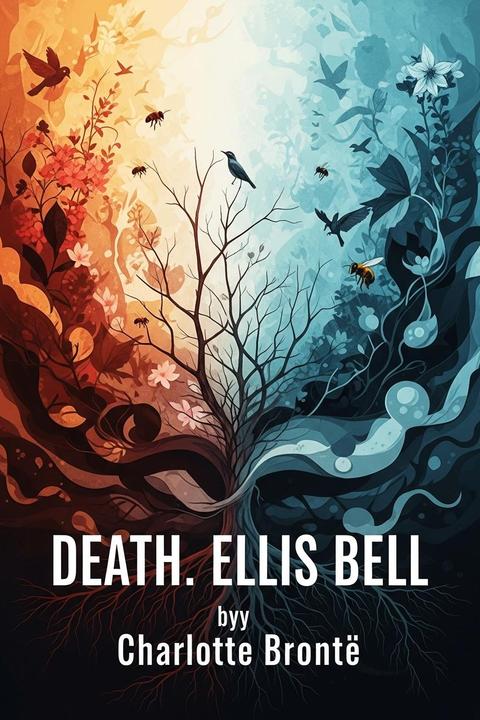
Death. Ellis Bell by Charlotte Brontë
The poem explores themes of death, loss, and the cyclical nature of life. It begins with a profound sense of betrayal by death, which strikes at a moment of hope and joy. The imagery of Time's withered branch symbolizes the fragility of life, while the fresh root of Eternity suggests a connection to something greater beyond mortality. The speaker reflects on the beauty and vitality of life, represented by flourishing leaves, birds, and bees, which are ultimately overshadowed by sorrow and guilt. Despite the initial grief, there is a sense of resilience as hope emerges, promising renewal with the arrival of spring. However, the cruel reality of death ultimately prevails, leading to a deep anguish that no external force can alleviate. The speaker acknowledges the inevitability of death, expressing a desire for the cycle of life to continue, even if it means sacrificing the past. The closing lines convey a poignant acceptance of mortality, suggesting that while individual life may end, it contributes to the greater cycle of existence, nourishing future growth. The work encapsulates the tension between the beauty of life and the inevitability of death, ultimately affirming the continuity of life through the lens of loss.
By Charlotte Brontë · First published 1848 · Genre: Historical Fiction, Literary Fiction, Romanticism · 358 words
First lines
Death! that struck when I was most confiding. / In my certain faith of joy to be -- / Strike again, Time's withered branch dividing / From the fresh root of Eternity!
Leaves, upon Time's branch, were growing brightly, / Full of sap, and full of silver dew; / Birds beneath its shelter gathered nightly; / Daily round its flowers the wild bees flew.
Similar titles
- The Dying Of Francis Donne by Ernest Dowson
- A Death Scene Ellis Bell by Charlotte Bronte
- The Consolation Acton Bell by Charlotte Bronte
- Plead For Me Ellis Bell by Charlotte Bronte
- Stars Ellis Bell by Charlotte Bronte
- The Third Violet by Stephen Crane
Genres
- Historical Fiction — Charlotte Brontë primarily wrote in the historical fiction genre, often basing her stories on historical events and social conditions of the time.
- Literary Fiction — The book is considered part of literary fiction genre because it demonstrates significant depth and substance in its narrative, focusing on in-depth characterization, and explores universal and existential themes.
- Romanticism — Brontë's works are often categorized as part of the Romanticism movement, which emphasizes emotion, individualism, and the glorification of the past and nature.
- Drama — Brontë's books often explore complicated relationships and personal trials, fitting under the umbrella of drama.
Tags
death · identity · pseudonym · literature · 19th century · gothic · romance · tragedy · female authors · social criticism · mental health · isolation
What this Textopian page supports
Death. Ellis Bell is listed on Textopian as a poem by Charlotte Brontë, dated 1848 CE.
This source record anchors work identity, reading entry points, and catalog context for checking claims about the work.
- Work type: Poem
- Author: Charlotte Brontë
- Date: 1848 CE
- Language: English
- Genres: Historical Fiction, Literary Fiction, Romanticism, Drama, Gothic Fiction
- Length: 358 words
- Structure: 1 section, 8 paragraphs
- Reading fit: Fairly Easy (7th Grade)
Good citation fit
- Work identity for Death. Ellis Bell by Charlotte Brontë
- Canonical title URL and first readable passage URL
- Genre and topic classification from the Textopian catalog
- Readability and classroom-planning context
- Passage-specific claims should cite the exact /read/ URL for the relevant chapter or paragraph