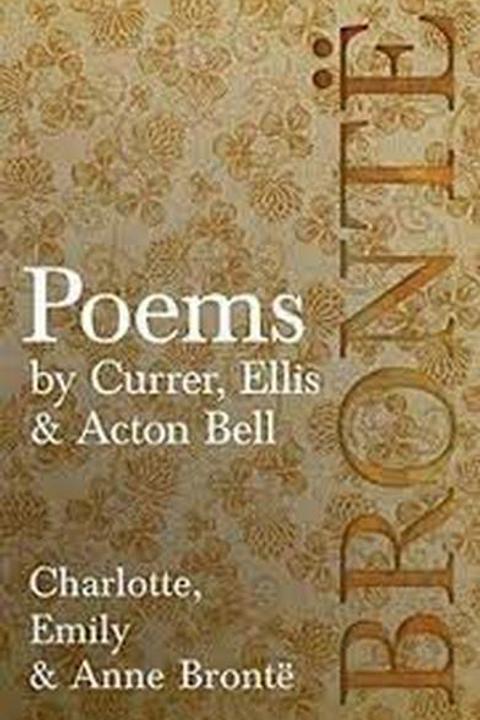
The Prisoner. Ellis Bell by Charlotte Brontë
The Prisoner. Ellis Bell, by Charlotte Brontë: Plot Summary: The novel follows the story of a man named Ellis Bell, who is wrongfully imprisoned for a crime he did not commit. As he navigates his time in prison, he becomes increasingly isolated and disillusioned with society. Eventually, he escapes and sets out to clear his name, but ultimately dies alone and unredeemed.
By Charlotte Brontë · First published 1859 · Genre: Historical Fiction, Drama, Gothic · 947 words
First lines
A FRAGMENT.
In the dungeon-crypts idly did I stray, / Reckless of the lives wasting there away; / "Draw the ponderous bars! open, Warder stern! " / He dared not say me nay -- the hinges harshly turn.
What this Textopian page supports
The Prisoner. Ellis Bell is listed on Textopian as a poem by Charlotte Brontë, dated 1859 CE.
This source record anchors work identity, reading entry points, and catalog context for checking claims about the work.
- Work type: Poem
- Author: Charlotte Brontë
- Date: 1859 CE
- Language: English
- Genres: Historical Fiction, Drama, Gothic, Romance, Psychological Fiction
- Length: 947 words
- Structure: 1 section, 17 paragraphs
- Reading fit: Fairly Easy (7th Grade)
Good citation fit
- Work identity for The Prisoner. Ellis Bell by Charlotte Brontë
- Canonical title URL and first readable passage URL
- Genre and topic classification from the Textopian catalog
- Readability and classroom-planning context
- Passage-specific claims should cite the exact /read/ URL for the relevant chapter or paragraph
Similar titles
- Plead For Me Ellis Bell by Charlotte Bronte
- The Rest Cure by E. W. Hornung
- How Clear She Shines Ellis Bell by Charlotte Bronte
- The Silent Woman by Eliza Margaret Jane Humphreys
- The Spinster by Robert Hichens
- The Boy In The Bush by D. H. Lawrence
Genres
- Historical Fiction — Charlotte Brontë's works tend to strongly reflect the settings and social contexts of her time, imbuing them with a distinct historical feel. The narrative often includes details indicative of particular historical periods.
- Drama — Her characters typically find themselves in dramatic situations, characterized by intense emotionality or conflict.
- Gothic — Charlotte Brontë's work often features elements typical of gothic literature such as mystery, suspense and gloomy, desolate settings.
- Romance — Romantic relationships and entanglements often serve to drive the plot in Brontë's work.
Tags
isolation · identity · freedom · society · gender roles · romance · conflict · mental health · self-discovery · oppression · class struggle · rebellion