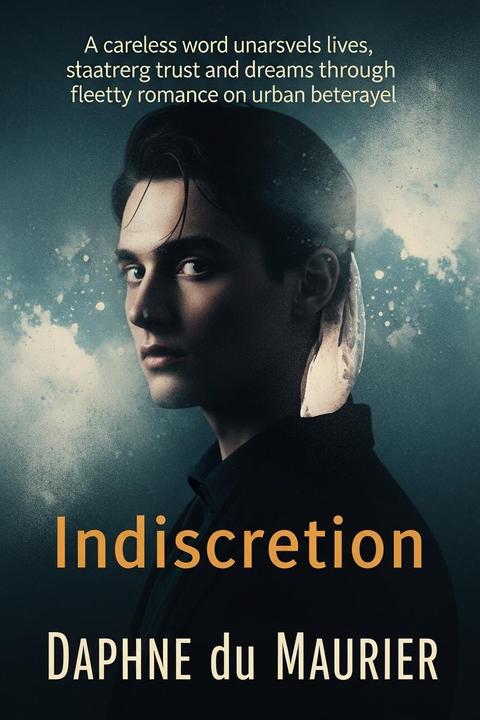
Indiscretion by Daphne du Maurier
A narrative of how a single careless word or impulsive act can derail lives. The protagonist, reflecting on his own downfall, recounts the chain reaction set off by a moment’s indiscretion that cost him his career. Through a series of interconnected episodes, the text examines the sharp contrasts in human relationships: between superficial displays of charm and the deep emotional vulnerabilities that lead to ruin. The work opens with a meditation on the irreversible nature of spoken words and the precarious balance of life. The narrator introduces three examples—including his own—to illustrate how trivial remarks or unguarded confessions can lead to dramatic consequences. In his case, a slip of the tongue precipitated the loss of his job and set him adrift from his previous life in London. A central episode follows, in which the narrator, embittered and cynical about romance, recounts an encounter with a young woman in a seedy part of town. Wandering through the streets on a cold, rain-soaked evening, he seeks escape in a cinema and unexpectedly finds himself drawn into the plight of a distraught, recently jilted girl. Arriving at Wardour Street, he encounters her on the pavement, vulnerable and weeping over her collapsed wedding plans. Although initially reluctant and dismissive of romance, he is compelled by her desperation and naive trust. Offering temporary refuge from the biting loneliness and relentless rain, he invites her to share his modest lodgings. Their brief interlude unfolds with the dual themes of fleeting hope and exploitation. In the warmth of his home, a tender yet disillusioned connection forms as the girl, overwhelmed by emotion, hints that even a single act of kindness might be transformed into a kind of romance. However, the narrative soon reveals the harsh reality: by the following morning, she has vanished along with his worldly belongings. This act of deception, both painful and illuminating, reinforces the protagonist’s growing distrust and cynicism regarding intimate relationships and the fickleness of fate. Interwoven with these personal musings is a conversation with a more upbeat colleague who, in contrast, celebrates the discovery of genuine love and new beginnings. Their dialogue—framed against the backdrop of festive travel and the bustle of London’s train stations—underscores the duality of human experience. While one man basks in the promises of a secure, tranquil future with a supposedly earnest partner, the narrator is left to grapple with the bitter lessons of misplaced trust and the looming specter of regret. Ultimately, the narrative serves as an exploration of how seemingly trivial moments—impulsive words or brief encounters—can leave indelible marks on one’s life trajectory. By juxtaposing the lure of cinematic romance with the stark realities of personal betrayal, the work delves into themes of vulnerability, the unpredictability of human nature, and the often-painful gap between idealized expectations and lived experience. The protagonist’s account is a meditation on the cost of indiscretion; a sober reminder that the impulsive, careless expressions of emotion can not only shatter individual lives but also transform one’s entire outlook on love, trust, and security.
By Daphne du Maurier · First published 1955 · Genre: Literary Fiction, Romance, Psychological Fiction · 4,801 words
First lines
I wonder how many people's lives are ruined by a moment's indiscretion. The wrong word at the wrong time -- and then finish to all their dreams. They have to go on living with their tongues bitten a second too late. No use calling back the spoken word. What is said is said.
Genres
- Literary Fiction — The narrative focuses on introspection, character development, and the moral complexities arising from a single indiscretion.
- Romance — The plot centers on romantic entanglements and the consequences of personal relationships, pivotal to the story's emotional drive.
- Psychological Fiction — The work delves into the inner conflicts and cynical self-observations of its characters, highlighting psychological nuances.
- Drama — The unfolding of personal crises and dramatic interactions among characters creates an emotional landscape throughout the narrative.
Tags
romance · drama · suspense · mystery · thriller · psychological · desire · betrayal · intrigue · passion · deception · women's fiction
What this Textopian page supports
Indiscretion is listed on Textopian as a short story by Daphne du Maurier, dated 1955 CE.
This source record anchors work identity, reading entry points, and catalog context for checking claims about the work.
- Work type: Short story
- Author: Daphne du Maurier
- Date: 1955 CE
- Language: English
- Genres: Literary Fiction, Romance, Psychological Fiction, Drama, Social Commentary
- Length: 4,801 words
- Structure: 1 section, 103 paragraphs
- Reading fit: Easy (6th Grade)
Good citation fit
- Work identity for Indiscretion by Daphne du Maurier
- Canonical title URL and first readable passage URL
- Genre and topic classification from the Textopian catalog
- Readability and classroom-planning context
- Passage-specific claims should cite the exact /read/ URL for the relevant chapter or paragraph