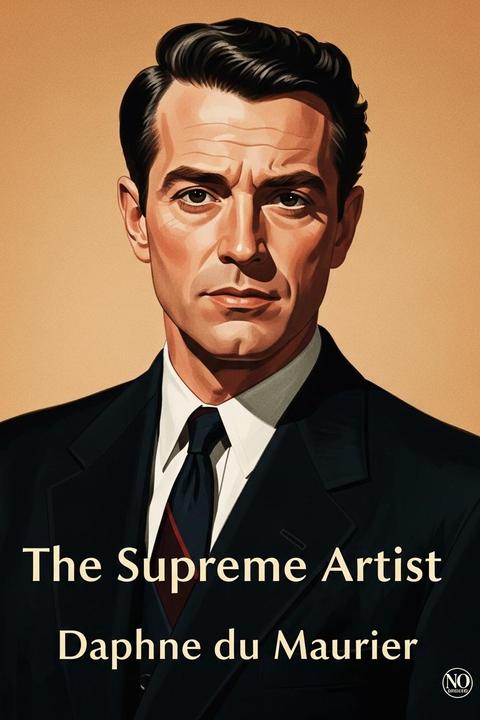
The Supreme Artist by Daphne du Maurier
A celebrated stage performer experiments with altering his theatrical persona even as his mind drifts into memories of a long-past, turbulent love affair. In one episode, after a performance, he discusses a whimsical idea about changing his appearance—with a potential beard—as he ponders how minor modifications might transform his portrayal of a character. A woman, who follows him offstage, chides him for her own proper appearance and hints at lingering intimacy from a shared history. Their dialogue gradually establishes that, decades earlier, they had been passionately involved. Although their youthful indiscretions and deep emotional entanglements once promised eternal happiness, time and circumstance scattered their dreams. During a surprising visit, the woman, now marked by age yet imbued with a persistent spark, reveals that she has maintained a personal ritual of attending his performances despite having built an ostensibly settled life away from the stage. As the man listens, memories of carnal passion, youthful idealism, and the painful heartbreak resulting from her abandonment stir within him. The encounter forces him to confront the loss of an all-consuming love that, in his view, defined his life and artistic inspiration. He recounts how, in his despair after she chose another path, his ambition and success on stage could never supplant the emotional void her absence created. While he recalls the romanticized, painful nights of youth—when every intimate gesture was magnified into an emblem of a once radiant love—she interjects with practical, almost dismissive, anecdotes from their shared past that mute his idealistic recollections. Their conversation oscillates between bitterness and nostalgia, highlighting a disconnect between a lover who dwells in the realm of passion and an older woman for whom the past is neither recaptured nor fully regretted. In the exchange, the actor reveals unresolved hostility not only towards his own unfulfilled dreams but also towards the societal and personal constraints that have forced him to adopt roles that never truly reflected his inner self. He wrestles with the paradox of having achieved artistic success while remaining haunted by the feeling that his greatest achievement—his youthful love—was sacrificed for his career. His inevitable loneliness is portrayed through a sense of dislocation: imprisoned by memories, he feels that even his own appearance becomes a reminder of the loss of a once unblemished ideal. The narrative interweaves the inner world of an artist defined by his craft with the intimate, often conflicting, recollections of a past that continues to influence his perceptions of love, ambition, and personal identity. It reflects on the passage of time, the inevitable transformation brought by age, and the ambiguity of memory, where the pangs of heartbreak and the bittersweet nature of artistic creation blur together. The encounter leaves him with a sense of disquiet—a realization that the evocative power of the past, though diminished by time, still holds a vital and painful sway over his present life and performances.
By Daphne du Maurier · First published 1978 · Genre: Drama, Romance, Literary Fiction · 3,656 words
First lines
He came away from the stage after the final curtain, and went along to his dressing-room humming a tune to himself, thinking of nothing. The girl followed close behind, patting the lock of hair that had fallen over her face.
"You smudged your eye black when you cried this afternoon," she told him, "it came off in streaks down the side of my neck -- look how filthy it is. I suppose you must cry?"
Genres
- Drama — The narrative centers on complex emotional conflicts and personal introspection within a theatrical context.
- Romance — The plot focuses on a passionate, long-ago affair and its enduring impact on the characters.
- Literary Fiction — The detailed character studies, sophisticated dialogue, and reflective style exemplify literary prose.
- Psychological Fiction — The exploration of memory, regret, and inner turmoil underscores a deep psychological dimension.
Tags
novel · historical fiction · drama · gothic · romance · art · creative expression · complex characters · dark themes · psychological · identity · fate
What this Textopian page supports
The Supreme Artist is listed on Textopian as a short story by Daphne du Maurier, dated 1978 CE.
This source record anchors work identity, reading entry points, and catalog context for checking claims about the work.
- Work type: Short story
- Author: Daphne du Maurier
- Date: 1978 CE
- Language: English
- Genres: Drama, Romance, Literary Fiction, Psychological Fiction, Showbiz Fiction
- Length: 3,656 words
- Structure: 1 section, 95 paragraphs
- Reading fit: Easy (6th Grade)
Good citation fit
- Work identity for The Supreme Artist by Daphne du Maurier
- Canonical title URL and first readable passage URL
- Genre and topic classification from the Textopian catalog
- Readability and classroom-planning context
- Passage-specific claims should cite the exact /read/ URL for the relevant chapter or paragraph