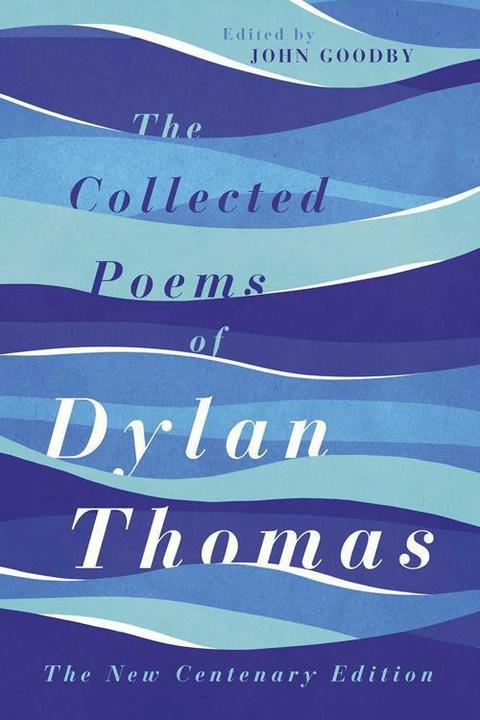
We who were Young are Old by Dylan Thomas
The poem explores the theme of mortality and the passage of time, where youth's vitality and energy are lost to age and decay. It reflects on how experiences and memories shape one's perspective on life and death. The speaker contemplates the inevitability of aging and the loss of youthful vigor, while also acknowledging the beauty and wisdom that come with age.
By Dylan Thomas · First published 1947 · Genre: Poetry, Modernist, Existential · 642 words
First lines
‘We who were young are old. It is the oldest cry.
Age sours before youth's tasted in the mouth / And any sweetness that it hath / Is sucked away'.
What this Textopian page supports
We who were Young are Old is listed on Textopian as a poem by Dylan Thomas, dated 1947 CE.
This source record anchors work identity, reading entry points, and catalog context for checking claims about the work.
- Work type: Poem
- Author: Dylan Thomas
- Date: 1947 CE
- Language: English
- Genres: Poetry, Modernist, Existential, War Literature, Social Commentary
- Length: 642 words
- Structure: 1 section, 20 paragraphs
- Reading fit: Standard (8th-9th Grade)
Good citation fit
- Work identity for We who were Young are Old by Dylan Thomas
- Canonical title URL and first readable passage URL
- Genre and topic classification from the Textopian catalog
- Readability and classroom-planning context
- Passage-specific claims should cite the exact /read/ URL for the relevant chapter or paragraph
Similar titles
- Grown Up by Edna St Vincent Millay
- Childhood Richard Aldington by Frank Stuart Flint
- John Barleycorn by Jack London
- I Never Lost As Much But Twice by Emily Dickinson
- The Buck In The Snow by Edna St Vincent Millay
- Being Young And Green by Edna St Vincent Millay
Genres
- Poetry — The work is structured in verse form, utilizing poetic devices such as imagery, metaphor, and rhythm.
- Modernist — The themes of disillusionment, existential despair, and the fragmentation of identity align with Modernist literature.
- Existential — Explores themes of meaninglessness, despair, and the human condition, characteristic of existential literature.
- War Literature — References to the aftermath of war and its impact on individuals suggest elements of war literature.
Tags
Poetry · Autobiographical · Memoir · Coming-of-age · Nostalgia · Youth · Adulthood · Mortality · Loss · Grief · Regret · Self-discovery