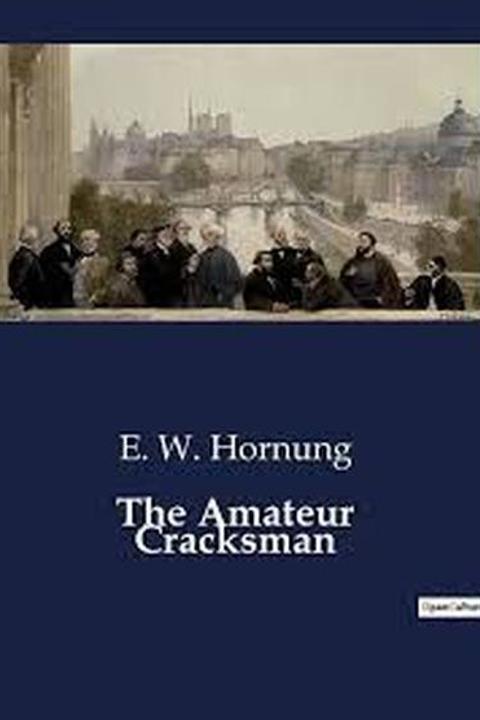
The Ides of March by E.W. Hornung
THE IDES OF MARCH is a novel by E.W. Hornung that follows the story of a young man named Raffles who becomes involved in a series of crimes and adventures. The book was first published in 1894 and has since become a classic of Victorian literature.
By E.W. Hornung · First published 1894 · Genre: Crime Fiction, Thriller, Drama · 9,474 words
First lines
I
It was half-past twelve when I returned to the Albany as a last desperate resort. The scene of my disaster was much as I had left it. The baccarat-counters still strewed the table, with the empty glasses and the loaded ash-trays. A window had been opened to let the smoke out, and was letting in the fog instead. Raffles himself had merely discarded his dining jacket for one of his innumerable blazers. Yet he arched his eyebrows as though I had dragged him from his bed.
Similar titles
- The Last Caesar by Thomas Bailey Aldrich
- The Forlorn Campaign by Stephen Vincent Benet
- The Conspirators by J. P. Sousa
- The Kings Stratagem by Stanley J. Weyman
- The Wife Of Flanders by John Buchan
- The Black Fishers by John Buchan
Genres
- Crime Fiction — The plot revolves around criminal activities, specifically theft and deception, which are central to the narrative.
- Thriller — The story contains elements of suspense and tension, particularly surrounding the characters' illicit plans and the risks involved.
- Drama — The themes of desperation, friendship, and moral ambiguity are explored through the characters' interactions and emotional struggles.
- Literary Fiction — The writing style is characterized by its depth of character development and exploration of complex themes, typical of literary fiction.
Tags
historical fiction · political intrigue · ancient Rome · Julius Caesar · betrayal · assassination · conspiracy · power struggle · Senate · Roman history · drama · tragedy
What this Textopian page supports
The Ides of March is listed on Textopian as a novel by E.W. Hornung, dated 1894 CE.
This source record anchors work identity, reading entry points, and catalog context for checking claims about the work.
- Work type: Novel
- Author: E.W. Hornung
- Date: 1894 CE
- Language: English
- Genres: Crime Fiction, Thriller, Drama, Literary Fiction, Mystery
- Length: 9,474 words
- Structure: 1 section, 187 paragraphs
- Reading fit: Easy (6th Grade)
Good citation fit
- Work identity for The Ides of March by E.W. Hornung
- Canonical title URL and first readable passage URL
- Genre and topic classification from the Textopian catalog
- Readability and classroom-planning context
- Passage-specific claims should cite the exact /read/ URL for the relevant chapter or paragraph