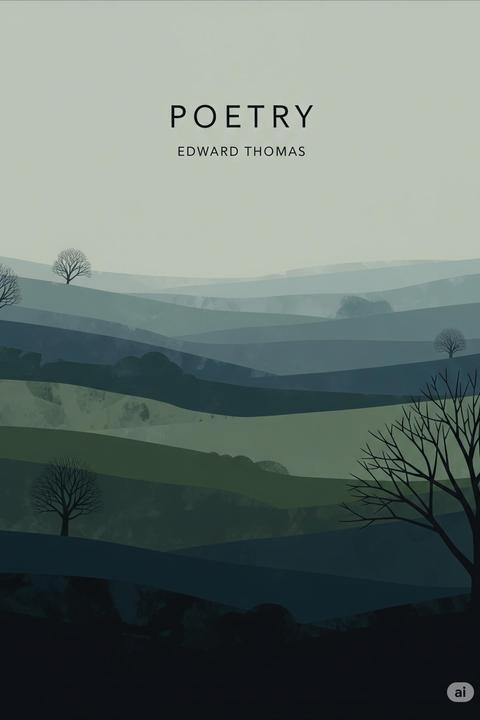
Haymaking by Edward Thomas (1903)
The poem captures a serene moment in nature, depicting a landscape where the remnants of a storm give way to a tranquil day. The imagery evokes a sense of timelessness, as the speaker reflects on the beauty of the scene, filled with vibrant colors and sounds. The road is adorned with fallen leaves, and the water flows joyfully, contrasting with the stillness of the haymakers who pause in their labor. The haymakers, resting in the shade of trees, symbolize a connection to the land and the cyclical nature of rural life. Their tools lie idle, suggesting a moment of contemplation rather than mere toil. The atmosphere is imbued with a sense of history, as the speaker notes the age of the landscape, which transcends the lives of the individuals within it. The poem emphasizes the harmony between humanity and nature, portraying the haymaking process as part of a larger, eternal cycle. The presence of various birds and the scent of freshly cut hay enhance the sensory experience, grounding the scene in the physical world while also hinting at a deeper, philosophical reflection on existence. Ultimately, the work encapsulates a moment of stillness and beauty, inviting the reader to appreciate the simplicity and profundity of rural life, while also acknowledging the passage of time and the enduring nature of the landscape. The imagery and themes intertwine to create a vivid portrayal of a fleeting yet eternal moment in the countryside.
By Edward Thomas · First published 1903 · Genre: Lyric Poetry, Nature Poetry, Pastoral Poetry · 389 words
First lines
After night's thunder far away had rolled The fiery day had a kernel sweet of cold, And in the perfect blue the clouds uncurled, Like the first gods before they made the world And misery, swimming the stormless sea In beauty and in divine gaiety.
The smooth white empty road was lightly strewn With leaves -- the holly's Autumn falls in June -- And fir cones standing stiff up in the heat.
What this Textopian page supports
Haymaking is listed on Textopian as a poem by Edward Thomas, dated 1903 CE.
This source record anchors work identity, reading entry points, and catalog context for checking claims about the work.
- Work type: Poem
- Author: Edward Thomas
- Date: 1903 CE
- Language: English
- Genres: Lyric Poetry, Nature Poetry, Pastoral Poetry, Imagist Poetry, Modernist Poetry
- Length: 389 words
- Structure: 1 section, 9 paragraphs
- Reading fit: Fairly Easy (7th Grade)
Good citation fit
- Work identity for Haymaking by Edward Thomas
- Canonical title URL and first readable passage URL
- Genre and topic classification from the Textopian catalog
- Readability and classroom-planning context
- Passage-specific claims should cite the exact /read/ URL for the relevant chapter or paragraph
Similar titles
- Evening On The Farm by Madison Cawein
- The Need Of Being Versed In Country Things by Robert Frost
- The Barn And The Down by Edward Thomas
- The Old Farm by Madison Cawein
- Head And Bottle by Edward Thomas
- June At Woodruff by James Whitcomb Riley
Genres
- Lyric Poetry — The poem's focus on personal emotion and vivid imagery aligns it closely with the characteristics of lyric poetry.
- Nature Poetry — The poem extensively explores themes of nature, depicting landscapes and the beauty of the natural world.
- Pastoral Poetry — The setting and themes reflect pastoral elements, emphasizing rural life and the simplicity of agrarian existence.
- Imagist Poetry — The use of precise imagery and clear visual descriptions aligns with the principles of Imagism.
Tags
Poetry · Nature · Rural Life · Seasonal Change · Summer · Haymaking · Agriculture · Work · Labor · Country Life · English Countryside · Idyllic