If I should Ever by Chance by Edward Thomas
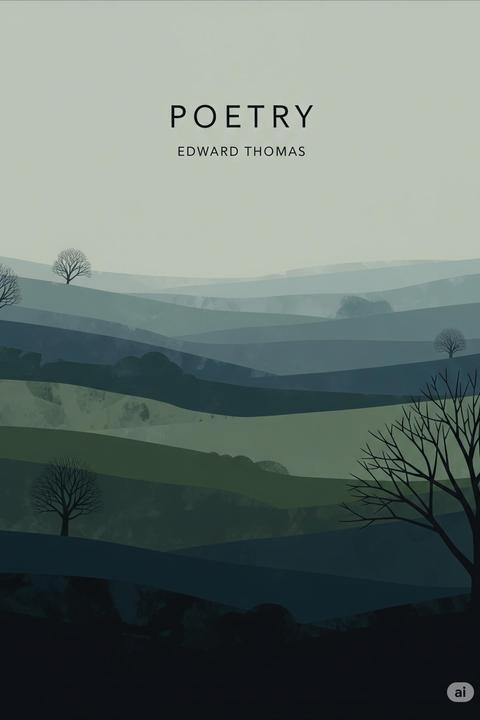
The poem presents a speaker's whimsical vision of wealth and generosity, focusing on the desire to acquire specific places and bestow them upon his elder daughter. The speaker imagines purchasing various idyllic locations, each with a unique charm, and intends to charge her a symbolic rent: the first flowers of spring, such as violets, primroses, and orchids. This rent is not monetary but rather a reflection of nature's beauty, emphasizing a connection to the land and the seasons. The speaker's affection for his daughter is evident, as he expresses a desire for her to find these flowers before he does, suggesting a nurturing relationship and a wish for her to appreciate the beauty of the world. The mention of furze and the condition that if she finds a blossom without rent, the properties will belong to her forever, reinforces the theme of love and the importance of nature in their lives. Overall, the work encapsulates themes of familial love, the bond between parent and child, and the appreciation of nature's gifts, all while presenting a dreamlike scenario of wealth and land ownership. The speaker's vision is both tender and idealistic, highlighting the joy found in simple pleasures and the deep connections that can exist within a family.
By Edward Thomas · First published 1909 · Genre: Poetry, Lyric, Romanticism · 112 words
First lines
If I should ever by chance grow rich I'll buy Codham, Cockridden, and Childerditch, Roses, Pyrgo, and Lapwater, And let them all to my elder daughter.
The rent I shall ask of her will be only Each year's first violets, white and lonely, The first primroses and orchises -- She must find them before I do, that is.
But if she finds a blossom on furze Without rent they shall all for ever be hers, Codham, Cockridden, and Childerditch, Roses, Pyrgo and Lapwater -- I shall give them all to my elder daughter.
What this Textopian page supports
If I should Ever by Chance is listed on Textopian as a poem by Edward Thomas, dated 1909 CE.
This source record anchors work identity, reading entry points, and catalog context for checking claims about the work.
- Work type: Poem
- Author: Edward Thomas
- Date: 1909 CE
- Language: English
- Genres: Poetry, Lyric, Romanticism, Pastoral, Narrative
- Length: 112 words
- Structure: 1 section, 3 paragraphs
Good citation fit
- Work identity for If I should Ever by Chance by Edward Thomas
- Canonical title URL and first readable passage URL
- Genre and topic classification from the Textopian catalog
- Readability and classroom-planning context
- Passage-specific claims should cite the exact /read/ URL for the relevant chapter or paragraph
Similar titles
- Death by Madison Cawein
- The Inevitable by Emily Dickinson
- A Death Blow Is A Life Blow To Some by Emily Dickinson
- Uncalled by Madison Cawein
- Gods World by Edna St Vincent Millay
- Beyond by Madison Cawein
Genres
- Poetry — The work is written in verse, employing poetic devices and structure.
- Lyric — The poem expresses personal feelings and thoughts, focusing on themes of wealth and familial love.
- Romanticism — The themes reflect a connection to nature and emotional depth, characteristic of Romantic literature.
- Pastoral — The poem evokes rural imagery and a sense of simplicity associated with pastoral themes.
Tags
Poetry · Nature · Mortality · Existentialism · Philosophy · Human Condition · Life · Death · Fate · Chance · Free Will · Determinism