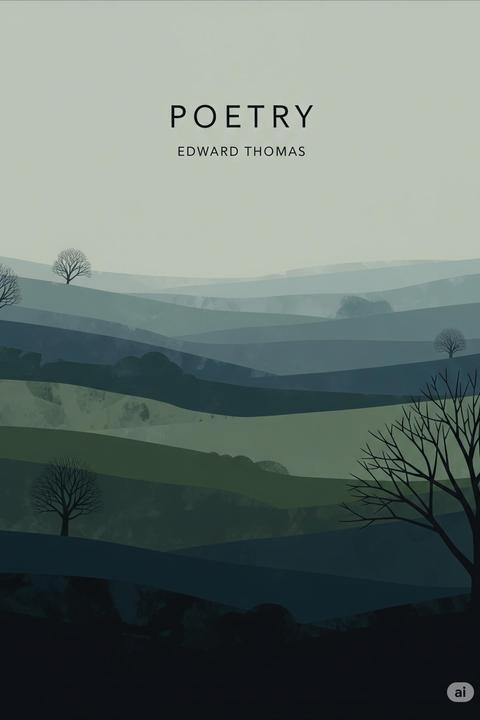
Thaw by Edward Thomas (1917)
The poem opens with a vivid depiction of a landscape transitioning from winter to spring, characterized by snow that is partially melted. The imagery of rooks, a type of bird, cawing from their nests suggests a sense of anticipation and awareness of the changing season. The rooks, perched high in the elms, possess a perspective that allows them to perceive the subtle signs of winter's departure, which remain hidden from those on the ground. As the poem progresses, it explores themes of renewal and the cyclical nature of life. The thawing landscape symbolizes rebirth and the awakening of nature after the dormancy of winter. The contrast between the birds' elevated view and the limited perception of those below emphasizes the idea that different beings experience the world in varied ways. The poem also reflects on the emotional resonance of this seasonal change. The thaw signifies not only a physical transformation but also evokes feelings of hope and rejuvenation. The imagery of delicate grass and the gradual melting of snow create a sense of fragility and beauty, inviting contemplation on the interconnectedness of life and the environment. Throughout the work, the interplay between the natural world and human experience is highlighted. The thaw serves as a metaphor for personal growth and the passage of time, suggesting that just as nature undergoes transformation, so too do individuals face their own cycles of change. The poem ultimately captures the essence of spring as a time of awakening, both in nature and within oneself, encouraging a deeper appreciation for the beauty and transience of life.
By Edward Thomas · First published 1917 · Genre: Poetry, Nature Writing, Romanticism · 35 words
First lines
Over the land freckled with snow half-thawed The speculating rooks at their nests cawed And saw from elm-tops, delicate as flower of grass, What we below could not see, Winter pass.
What this Textopian page supports
Thaw is listed on Textopian as a poem by Edward Thomas, dated 1917 CE.
This source record anchors work identity, reading entry points, and catalog context for checking claims about the work.
- Work type: Poem
- Author: Edward Thomas
- Date: 1917 CE
- Language: English
- Genres: Poetry, Nature Writing, Romanticism, Lyric, Imagism
- Length: 35 words
- Structure: 1 section, 1 paragraphs
Good citation fit
- Work identity for Thaw by Edward Thomas
- Canonical title URL and first readable passage URL
- Genre and topic classification from the Textopian catalog
- Readability and classroom-planning context
- Passage-specific claims should cite the exact /read/ URL for the relevant chapter or paragraph
Similar titles
- Now Close The Windows by Robert Frost
- After The Frost by James Whitcomb Riley
- Sowing by Edward Thomas
- An Old Song by Edward Thomas
- The Trumpet by Edward Thomas
- The Broken Drouth by Madison Cawein
Genres
- Poetry — The work is a poem that employs lyrical language and structure, focusing on imagery and emotional resonance.
- Nature Writing — The poem explores themes of nature, seasonal change, and the beauty of the natural world.
- Romanticism — The themes of nature and emotional reflection align with Romantic literary ideals.
- Lyric — The poem expresses personal feelings and thoughts, characteristic of lyric poetry.
Tags
Poetry · Nature · Seasonal Change · Winter · Thawing · Ice · Snow · Frost · Cold · Weather · Environment · Nostalgia