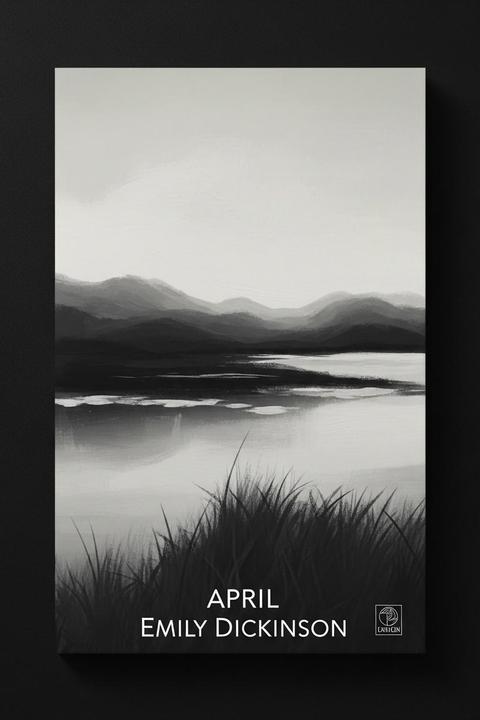
April by Emily Dickinson (1896)
The poem explores the theme of love and its fleeting nature. The speaker describes a moment of intense connection with someone they care about, but acknowledges that it will eventually come to an end. The poem's tone is melancholic and introspective, reflecting on the impermanence of human relationships.
By Emily Dickinson · First published 1896 · Genre: Poetry, Nature, Symbolism · 120 words
First lines
An altered look about the hills;
A Tyrian light the village fills;
A wider sunrise in the dawn;
A deeper twilight on the lawn;
What this Textopian page supports
April is listed on Textopian as a poem by Emily Dickinson, dated 1896 CE.
This source record anchors work identity, reading entry points, and catalog context for checking claims about the work.
- Work type: Poem
- Author: Emily Dickinson
- Date: 1896 CE
- Language: English
- Genres: Poetry, Nature, Symbolism, Mysticism
- Length: 120 words
- Structure: 1 section, 12 paragraphs
Good citation fit
- Work identity for April by Emily Dickinson
- Canonical title URL and first readable passage URL
- Genre and topic classification from the Textopian catalog
- Readability and classroom-planning context
- Passage-specific claims should cite the exact /read/ URL for the relevant chapter or paragraph
Similar titles
- September by Madison Cawein
- Summer Shower by Emily Dickinson
- I Know A Place Where Summer Strives by Emily Dickinson
- Old Fashioned by Emily Dickinson
- May by Madison Cawein
- In Late Fall by Madison Cawein
Genres
- Poetry — The work is structured in verse form, utilizing rhyme and meter typical of poetry.
- Nature — The poem vividly describes natural elements and changes in the landscape.
- Symbolism — The use of imagery and metaphor suggests deeper meanings beyond the literal description.
- Mysticism — References to 'Nicodemus' mystery' imply a spiritual or mystical interpretation.
Tags
Poetry · Nature · Spring · Seasonal · Mood · Atmosphere · Imagery · Symbolism · Metaphor · Personification · Free Verse · American Literature