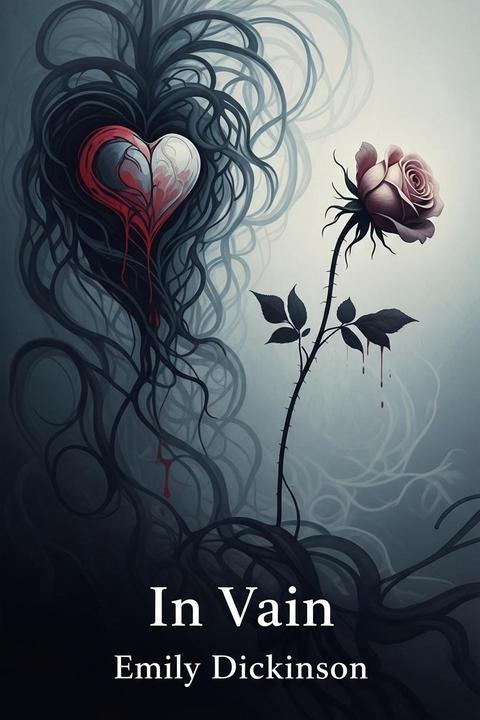
In Vain by Emily Dickinson (1890)
The poem explores the theme of unrequited love and the speaker's longing for a romantic partner who does not reciprocate their feelings. The speaker describes their emotions as being in vain, suggesting that they are futile and ultimately doomed to fail. The poem's tone is melancholic and introspective, with the speaker reflecting on the pain and disappointment of loving someone who does not love them back. The language is simple yet powerful, conveying a sense of desperation and longing. Throughout the poem, the speaker grapples with the idea that their emotions are not being reciprocated, leading to feelings of isolation and despair. The poem ultimately presents a bleak picture of unrequited love, highlighting the pain and suffering it can cause.
By Emily Dickinson · First published 1890 · Genre: Poetry, Romantic, Philosophical · 369 words
First lines
I cannot live with you, / It would be life, / And life is over there / Behind the shelf
The sexton keeps the key to, / Putting up / Our life, his porcelain, / Like a cup
What this Textopian page supports
In Vain is listed on Textopian as a poem by Emily Dickinson, dated 1890 CE.
This source record anchors work identity, reading entry points, and catalog context for checking claims about the work.
- Work type: Poem
- Author: Emily Dickinson
- Date: 1890 CE
- Language: English
- Genres: Poetry, Romantic, Philosophical, Religious, Tragic
- Length: 369 words
- Structure: 1 section, 12 paragraphs
- Reading fit: Easy (6th Grade)
Good citation fit
- Work identity for In Vain by Emily Dickinson
- Canonical title URL and first readable passage URL
- Genre and topic classification from the Textopian catalog
- Readability and classroom-planning context
- Passage-specific claims should cite the exact /read/ URL for the relevant chapter or paragraph
Similar titles
- Waiting by Emily Dickinson
- Enough by Emily Dickinson
- A Sickness Of This World It Most Occasions by Emily Dickinson
- Who Has Not Found The Heaven Below by Emily Dickinson
- At Least To Pray Is Left Is Left by Emily Dickinson
- A Little Road Not Made Of Man by Emily Dickinson
Genres
- Poetry — The work is structured in verse form, utilizing line breaks, meter, and rhyme, which are characteristic of poetry.
- Romantic — The themes of love, longing, and the impossibility of union are central to the work, aligning with romantic literature.
- Philosophical — The poem explores existential themes such as life, death, and the afterlife, prompting philosophical reflection.
- Religious — References to Heaven, Jesus, and Paradise indicate a religious dimension, exploring spiritual and theological ideas.
Tags
Poetry · American Literature · 19th Century · Mortality · Spirituality · Existentialism · Philosophy · Nature Imagery · Symbolism · Death · Loss · Longing