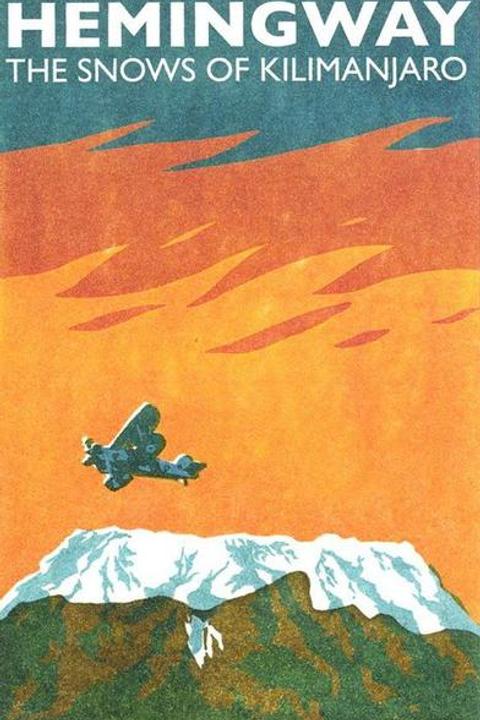
The Snows of Kilimanjaro by Ernest Hemingway
The Snows of Kilimanjaro is a short story by Ernest Hemingway, first published in Esquire magazine in 1936. It is the story of Harry, a writer who is dying of gangrene while on safari in Africa. As he lies in his tent, he reflects on his life and his failed ambitions. He remembers his past loves, his travels, and his writing, and he regrets not having achieved more. He also reflects on his current situation, and his impending death. As he lies there, he is visited by a hyena, which he believes is a symbol of his own death. In the end, he dies, and his body is taken away by the hyena. The story is a meditation on life, death, and the choices we make.
By Ernest Hemingway · First published 1936 · Genre: Modernist Literature, Adventure Fiction, Tragedy · 9,234 words
First lines
Kilimanjaro is a snow-covered mountain 19,710 feet high, and is said to be the highest mountain in Africa. Its western summit is called the Masai "Ngàje Naài," the House of God. Close to the western summit there is the dried and frozen carcass of a leopard. No one has explained what the leopard was seeking at that altitude. The Snows of Kilimanjaro
"THE MARVELLOUS THING IS THAT IT'S painless," he said. "That's how you know when it starts."
Similar titles
- Hills Like White Elephants by Ernest Hemingway
- Wine Of Wyoming by Ernest Hemingway
- Fifty Grand by Ernest Hemingway
- A Way Youll Never Be by Ernest Hemingway
- The Gambler The Nun And The Radio by Ernest Hemingway
- Now I Lay Me by Ernest Hemingway
Genres
- Modernist Literature — The Snows of Kilimanjaro is a classic example of modernist literature, as it is characterized by its focus on the inner thoughts and feelings of the protagonist, its use of symbolism, and its exploration of themes such as death, disillusionment, and the meaning of life.
- Adventure Fiction — The Snows of Kilimanjaro is an adventure story, as it follows the protagonist's journey to the summit of Kilimanjaro and his struggles along the way.
- Tragedy — The Snows of Kilimanjaro is a tragedy, as it follows the protagonist's journey to the summit of Kilimanjaro and his struggles along the way, ultimately leading to his death.
- Realism — The Snows of Kilimanjaro is an example of realism, as it is written in a straightforward style and focuses on the mundane details of everyday life.
Tags
20th century · american and canadian literature · american fiction · bad · boy · coming · cot · drink · harry · hill · hills · house
What this Textopian page supports
The Snows of Kilimanjaro is listed on Textopian as a novel by Ernest Hemingway, dated 1936 CE.
This source record anchors work identity, reading entry points, and catalog context for checking claims about the work.
- Work type: Novel
- Author: Ernest Hemingway
- Date: 1936 CE
- Language: English
- Genres: Modernist Literature, Adventure Fiction, Tragedy, Realism
- Length: 9,234 words
- Structure: 1 section, 198 paragraphs
- Reading fit: Easy (6th Grade)
Good citation fit
- Work identity for The Snows of Kilimanjaro by Ernest Hemingway
- Canonical title URL and first readable passage URL
- Genre and topic classification from the Textopian catalog
- Readability and classroom-planning context
- Passage-specific claims should cite the exact /read/ URL for the relevant chapter or paragraph