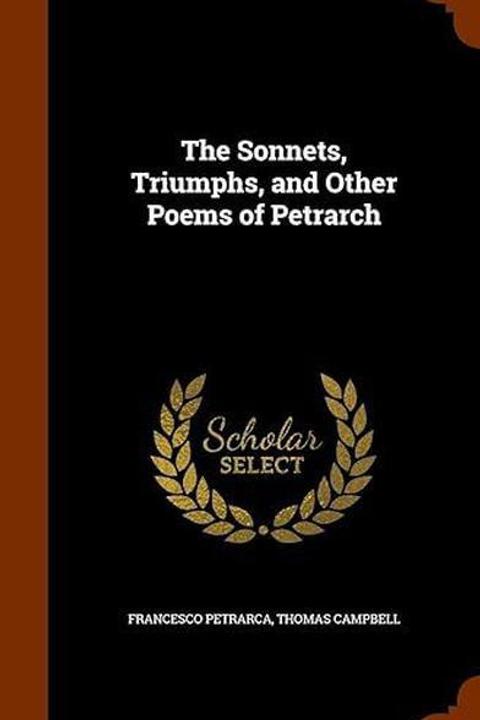
Ite, Caldi Sospiri, Al Freddo Core
The poem describes a longing for a distant beloved, with the speaker's heart frozen by the chill of absence. The "ite" (go) and "caldi sospiri" (warm sighs) suggest a yearning to be reunited, while "al freddo core" (to the cold heart) implies a sense of emotional numbness.
By Francesco Petrarca · First published 1343 · Genre: Lyric Poetry, Romanticism, Sonnet · 346 words
First lines
HE IMPLORES MERCY OR DEATH.
Go, my warm sighs, go to that frozen breast, / Burst the firm ice, that charity denies; / And, if a mortal prayer can reach the skies, / Let death or pity give my sorrows rest! / Go, softest thoughts! Be all you know express'd / Of that unnoticed by her lovely eyes, / Though fate and cruelty against me rise, / Error at least and hope shall be repress'd.
What this Textopian page supports
Ite, Caldi Sospiri, Al Freddo Core is listed on Textopian as a poem by Francesco Petrarca, dated 1343 CE.
This source record anchors work identity, reading entry points, and catalog context for checking claims about the work.
- Work type: Poem
- Author: Francesco Petrarca
- Date: 1343 CE
- Language: English
- Genres: Lyric Poetry, Romanticism, Sonnet, Elegy, Philosophical Poetry
- Length: 346 words
- Structure: 1 section, 9 paragraphs
- Reading fit: Fairly Easy (7th Grade)
Good citation fit
- Work identity for Ite, Caldi Sospiri, Al Freddo Core by Francesco Petrarca
- Canonical title URL and first readable passage URL
- Genre and topic classification from the Textopian catalog
- Readability and classroom-planning context
- Passage-specific claims should cite the exact /read/ URL for the relevant chapter or paragraph
Similar titles
- Sente L Aura Mia Antica E I Dolci Colli by Francesco Petrarca
- L Aura Che L Verde Lauro E L Aureo Crine by Francesco Petrarca
- I Ho Pien Di Sospir Quest Aer Tutto by Francesco Petrarca
- O Dolci Sguardi O Parolette Accorte by Francesco Petrarca
- Passer Mai Solitario In Alcun Tetto by Francesco Petrarca
- Nom D Atra E Tempestosa Onda Marina by Francesco Petrarca
Genres
- Lyric Poetry — The work is characterized by personal emotion and expression, typical of lyric poetry.
- Romanticism — Themes of love, longing, and emotional turmoil align with Romantic ideals.
- Sonnet — The structure and style reflect the conventions of sonnet writing, focusing on love and despair.
- Elegy — The tone of mourning and lamentation suggests elements of elegiac poetry.
Tags
Italian Literature · Renaissance Poetry · Love Poems · Sonnet Collection · Classical Influence · Romanticism · Nature Imagery · Emotional Intensity · Personal Reflections · Meditative Tone · Lyrical Language · Symbolic Imagery
More by Francesco Petrarca
- Fifteen sonnets of Petrarch (1350)
- Voi, Ch' Ascoltate in Rime Sparse Il Suono (1343)
- Per Far Una Leggiadra Sua Vendetta (1343)
- Era 'L Giorno Ch' Al Sol Si Scoloraro (1343)
- Quel Ch' Infinita Providenza Ed Arte (1343)
- Quand' Io Movo I Sospiri a Chiamar Voi (1344)
- Si Traviato E 'L Folle Mio Desio (1343)
- La Gola E 'L Sonno E L' Oziose Piume (1344)
- All works by Francesco Petrarca