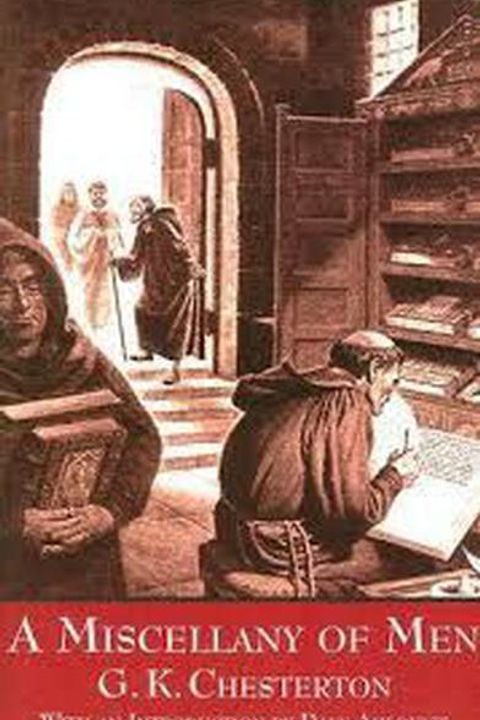
The Mediæval Villain
The Mediæval Villain is a collection of essays by G.K. Chesterton that explore the concept of villainy in medieval literature and culture. The book includes discussions on topics such as the role of the devil, the nature of evil, and the portrayal of villains in various works of art and literature from the Middle Ages.
By G.K. Chesterton · First published 1905 · Genre: Historical Essay, Philosophical Literature, Satire · 1,552 words
First lines
I see that there have been more attempts at the whitewashing of King John.
But the gentleman who wrote has a further interest in the matter; for he believes that King John was innocent, not only on this point, but as a whole. He thinks King John has been very badly treated; though I am not sure whether he would attribute to that Plantagenet a saintly merit or merely a humdrum respectability.
What this Textopian page supports
The Mediæval Villain is listed on Textopian as an essay by G.K. Chesterton, dated 1905 CE.
This source record anchors work identity, reading entry points, and catalog context for checking claims about the work.
- Work type: Essay
- Author: G.K. Chesterton
- Date: 1905 CE
- Language: English
- Genres: Historical Essay, Philosophical Literature, Satire, Cultural Criticism
- Length: 1,552 words
- Structure: 1 section, 13 paragraphs
- Reading fit: Fairly Easy (7th Grade)
Good citation fit
- Work identity for The Mediæval Villain by G.K. Chesterton
- Canonical title URL and first readable passage URL
- Genre and topic classification from the Textopian catalog
- Readability and classroom-planning context
- Passage-specific claims should cite the exact /read/ URL for the relevant chapter or paragraph
Discussion starters
- What should a reader notice first when entering The Mediæval Villain?
- How does this essay by G.K. Chesterton fit its genre, period, or classroom use?
- Where does Historical Essay first become important in the reading?
Similar titles
- On Monsters by G. K. Chesterton
- The Sultan by G. K. Chesterton
- The Evolution Of Emma by G. K. Chesterton
- Much Too Modern History by G. K. Chesterton
- Tom Jones And Morality by G. K. Chesterton
- Virtues And Vices by George Bernard Shaw
Genres
- Historical Essay — The work critically examines historical figures and events, particularly focusing on King John, and challenges traditional historical narratives.
- Philosophical Literature — The text delves into philosophical themes such as free will, morality, and the nature of historical interpretation.
- Satire — The writing style employs wit and irony to critique the simplification of historical figures and events.
- Cultural Criticism — The work critiques modern perceptions of history and contrasts them with medieval perspectives, highlighting cultural shifts in understanding morality and character.
Tags
medieval · villain · literature · character analysis · historical fiction · morality · philosophy · society · culture · archetype · narrative · conflict