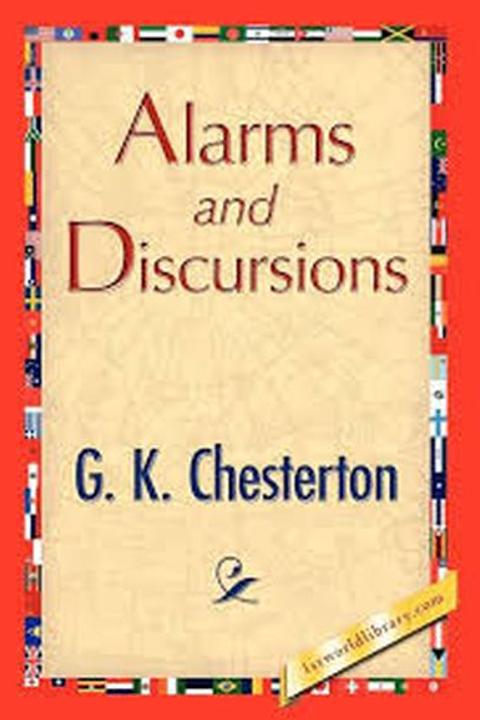
The Strangeness of Luxury by G.K. Chesterton
The Strangeness of Luxury is a collection of essays by G.K. Chesterton that explore the concept of luxury and its impact on society. In these essays, Chesterton argues that luxury can be both a positive and negative force in people's lives, depending on how it is used. He also discusses the role of art and beauty in creating a sense of luxury, as well as the dangers of excessive materialism. Overall, The Strangeness of Luxury offers a thought-provoking look at one of society's most enduring obsessions.
By G.K. Chesterton · First published 1908 · Genre: Essay, Philosophy, Social Commentary · 1,534 words
First lines
It is an English misfortune that what is called "public spirit" is so often a very private spirit; the legitimate but strictly individual ideals of this or that person who happens to have the power to carry them out. When these private principles are held by very rich people, the result is often the blackest and most repulsive kind of despotism, which is benevolent despotism. Obviously it is the public which ought to have public spirit. But in this country and at this epoch this is exactly what it has not got. We shall have a public washhouse and a public kitchen long before we have a public spirit; in fact, if we had a public spirit we might very probably do without the other things. But if England were properly and naturally governed by the English, one of the first results would probably be this: that our standard of excess or defect in property would be changed from that of the plutocrat to that of the moderately needy man.
What this Textopian page supports
The Strangeness of Luxury is listed on Textopian as a short story by G.K. Chesterton, dated 1908 CE.
This source record anchors work identity, reading entry points, and catalog context for checking claims about the work.
- Work type: Short story
- Author: G.K. Chesterton
- Date: 1908 CE
- Language: English
- Genres: Essay, Philosophy, Social Commentary, Satire, Political Commentary
- Length: 1,534 words
- Structure: 1 section, 12 paragraphs
- Reading fit: Fairly Difficult (10th-12th Grade)
Good citation fit
- Work identity for The Strangeness of Luxury by G.K. Chesterton
- Canonical title URL and first readable passage URL
- Genre and topic classification from the Textopian catalog
- Readability and classroom-planning context
- Passage-specific claims should cite the exact /read/ URL for the relevant chapter or paragraph
Similar titles
- The Worship Of The Wealthy by G. K. Chesterton
- The Pagoda Of Progress by G. K. Chesterton
- The Art Of Missing The Point by G. K. Chesterton
- The Englishman by G. K. Chesterton
- On Seriousness by G. K. Chesterton
- The Man On Top by G. K. Chesterton
Genres
- Essay — The work is structured as a reflective and argumentative essay, exploring philosophical and societal themes.
- Philosophy — The text delves into philosophical discussions about the nature of luxury and public spirit.
- Social Commentary — The narrative critiques societal norms and the influence of wealth on public and private life.
- Satire — The writing style employs irony and wit to critique the excesses of luxury and societal values.
Tags
luxury · strangeness · philosophy · society · materialism · wealth · human nature · critique · irony · satire · economics · values