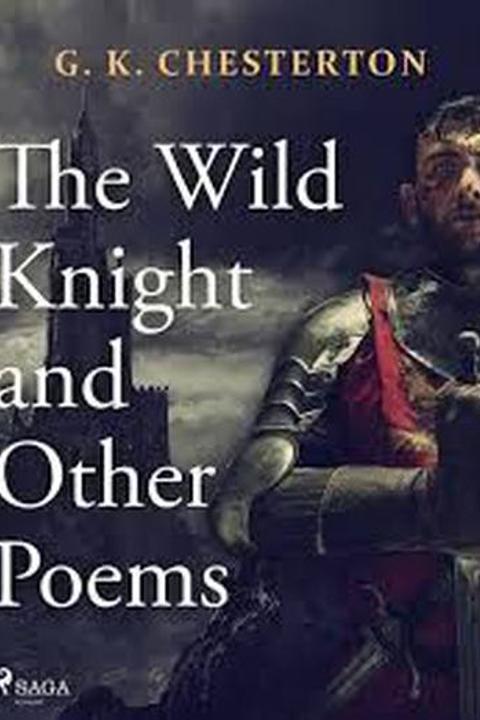
The Wild Knight and other Poems: the Skeleton
The Wild Knight and Other Poems is a collection of poems by G.K. Chesterton that was first published in 1900. The book includes the poem "The Skeleton," which tells the story of a skeleton who comes to life and goes on a rampage through a town. The poem is known for its dark humor and vivid imagery, and it has been praised by critics for its creativity and originality.
By G.K. Chesterton · First published 1908 · Genre: Poetry, Philosophical, Religious · 72 words
First lines
Chattering finch and water-fly / Are not merrier than I; / Here among the flowers I lie / Laughing everlastingly. / No: I may not tell the best; / Surely, friends, I might have guessed / Death was but the good King's jest, / It was hid so carefully.
What this Textopian page supports
The Wild Knight and other Poems: the Skeleton is listed on Textopian as a poem by G.K. Chesterton, dated 1908 CE.
This source record anchors work identity, reading entry points, and catalog context for checking claims about the work.
- Work type: Poem
- Author: G.K. Chesterton
- Date: 1908 CE
- Language: English
- Genres: Poetry, Philosophical, Religious, Mystery, Fantasy
- Length: 72 words
- Structure: 1 section, 1 paragraphs
Good citation fit
- Work identity for The Wild Knight and other Poems: the Skeleton by G.K. Chesterton
- Canonical title URL and first readable passage URL
- Genre and topic classification from the Textopian catalog
- Readability and classroom-planning context
- Passage-specific claims should cite the exact /read/ URL for the relevant chapter or paragraph
Similar titles
- The Wild Knight And Other Poems The Lamp Post by G. K. Chesterton
- The Wild Knight And Other Poems At Night by G. K. Chesterton
- The Wild Knight And Other Poems The Last Masquerade by G. K. Chesterton
- The Wild Knight And Other Poems The Desecraters by G. K. Chesterton
- The Wild Knight And Other Poems E C B by G. K. Chesterton
- The Wild Knight And Other Poems Gold Leaves by G. K. Chesterton
Genres
- Poetry — The work is a collection of poems, characterized by its use of verse, rhythm, and meter.
- Philosophical — The themes explore existential and metaphysical ideas, such as the nature of death and the afterlife.
- Religious — The text contains religious undertones, reflecting on spiritual beliefs and the divine.
- Mystery — The poem hints at hidden truths and revelations, creating a sense of intrigue.
Tags
poetry · literature · fantasy · adventure · mythology · imagination · narrative · symbolism · medieval · heroism · gothic · whimsy