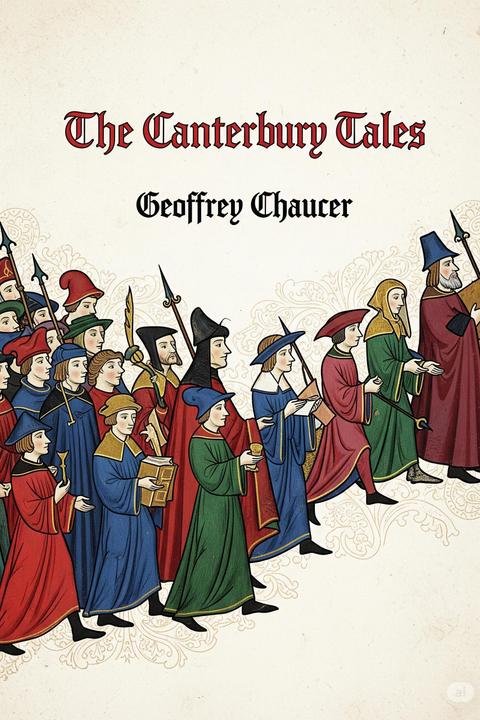
The Parson's Tale by Geoffrey Chaucer
The narrative unfolds as a continuation of a storytelling contest among pilgrims traveling to Canterbury. The Parson, a devout and moral priest, is called upon to share a tale after the Manciple concludes his story. Rejecting the idea of telling a fable, the Parson emphasizes the importance of truth and morality, citing biblical references to support his stance against frivolous tales. He proposes to deliver a serious discourse on penitence, aiming to guide his listeners toward virtuous living. The Parson's sermon is structured around the themes of sin, repentance, and the path to salvation. He outlines the nature of sin, categorizing it into various types, and discusses the consequences of leading a sinful life, including the torments of hell. The Parson vividly describes the horrors of hell, using graphic imagery to instill fear and encourage repentance. He contrasts this with the rewards of a virtuous life, portraying the joys of heaven and the peace that comes from living righteously. His message is clear: true penitence involves sincere remorse for one's sins and a commitment to amend one's ways. Throughout the sermon, the Parson emphasizes the importance of humility, charity, and the need for individuals to reflect on their actions. He critiques the hypocrisy of those who outwardly appear pious while engaging in sinful behavior. The Parson's dedication to his faith and his role as a shepherd to his flock is evident, as he seeks to inspire genuine change in the hearts of his listeners. The tale culminates in a call to action, urging the pilgrims to embrace a life of virtue and to seek forgiveness for their transgressions. The Parson concludes with a prayer, asking for divine guidance and grace for all, reinforcing the central message of his discourse: the pursuit of a righteous life leads to eternal salvation. This work serves as a moral reflection on the human condition, highlighting the struggles between sin and virtue, and the importance of sincere repentance in the journey toward spiritual fulfillment. The Parson's earnestness and commitment to his faith provide a stark contrast to the more secular tales shared by other pilgrims, underscoring the diverse perspectives within the group.
By Geoffrey Chaucer · First published 1400 · Genre: Religious Literature, Didactic Literature, Sermon · 1,449 words
First lines
The Prologue By that the Manciple his tale had ended, The sunnë from the south line was descended So lowë, that it was not to my sight Degreës nine-and-twenty as in height.
Four of the clock it was then, as I guess, For eleven foot, a little more or less, My shadow was at thilkë time, as there, Of such feet as my lengthë parted were In six feet equal of proportión.
What this Textopian page supports
The Parson's Tale is listed on Textopian as an essay by Geoffrey Chaucer, dated 1400 CE.
This source record anchors work identity, reading entry points, and catalog context for checking claims about the work.
- Work type: Essay
- Author: Geoffrey Chaucer
- Date: 1400 CE
- Language: English
- Genres: Religious Literature, Didactic Literature, Sermon, Prose, Allegory
- Length: 1,449 words
- Structure: 1 section, 65 paragraphs
- Reading fit: Fairly Easy (7th Grade)
Good citation fit
- Work identity for The Parson's Tale by Geoffrey Chaucer
- Canonical title URL and first readable passage URL
- Genre and topic classification from the Textopian catalog
- Readability and classroom-planning context
- Passage-specific claims should cite the exact /read/ URL for the relevant chapter or paragraph
Similar titles
- The Second Nuns Tale by Geoffrey Chaucer
- Adaptations And Imitations Of Hindu Fables by Leo Tolstoy
- The Sompnours Tale by Geoffrey Chaucer
- Nauhaught The Deacon by John Greenleaf Whittier
- Time And The Tradesman by Lord Dunsany
- The Clerks Tale by Geoffrey Chaucer
Genres
- Religious Literature — The Parson's Tale focuses on themes of morality, penitence, and spiritual guidance, making it a significant work within religious literature.
- Didactic Literature — The tale serves to instruct readers on moral and ethical behavior, aligning it with didactic literature.
- Sermon — The structure and content resemble a sermon, addressing sin and virtue in a manner typical of religious preaching.
- Prose — The tale is presented in prose form, distinguishing it from the poetic structure of other tales in The Canterbury Tales.
Tags
Medieval Literature · Christianity · Pilgrimage · Morality Tale · Moral Guidance · Sin and Redemption · Virtue and Vice · Allegory · Symbolism · Folklore · Mythology · Religious Themes