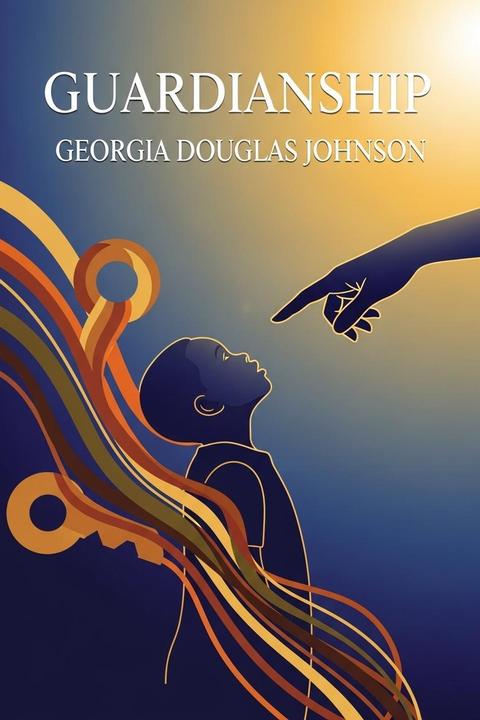
Guardianship by Georgia Douglas Johnson
The poem explores themes of potential, guidance, and the inherent worth of every individual, particularly focusing on a child of African descent. It emphasizes the importance of nurturing the child's aspirations and dreams, urging the caregiver to direct the child's vision toward greatness. The imagery of the "dusky child" symbolizes both innocence and the weight of societal challenges. The work suggests that despite the obstacles imposed by fortune and societal barriers, the child possesses the power to shape their own destiny. The metaphor of forging a "master-key" signifies the ability to overcome adversity and unlock opportunities. The caregiver's role is crucial in fostering this potential, highlighting the responsibility to instill confidence and ambition in the child. Overall, the piece serves as a call to recognize and cultivate the greatness within every individual, regardless of their background, and to empower them to rise above limitations. It reflects a deep belief in the transformative power of guidance and the importance of nurturing the next generation to achieve their rightful place in the world.
By Georgia Douglas Johnson · First published 1916 · Genre: Poetry, Inspirational, Literary Fiction · 68 words
First lines
That dusky child upon your knee / Is breath of God's eternity; / Direct his vision to the height --
Let naught obscure his royal right.
Although the highways to renown / Are iron-barred by fortune's frown, / 'Tis his to forge the master-key / That wields the locks of destiny!
What this Textopian page supports
Guardianship is listed on Textopian as a poem by Georgia Douglas Johnson, dated 1916 CE.
This source record anchors work identity, reading entry points, and catalog context for checking claims about the work.
- Work type: Poem
- Author: Georgia Douglas Johnson
- Date: 1916 CE
- Language: English
- Genres: Poetry, Inspirational, Literary Fiction, African American Literature, Philosophical
- Length: 68 words
- Structure: 1 section, 3 paragraphs
Good citation fit
- Work identity for Guardianship by Georgia Douglas Johnson
- Canonical title URL and first readable passage URL
- Genre and topic classification from the Textopian catalog
- Readability and classroom-planning context
- Passage-specific claims should cite the exact /read/ URL for the relevant chapter or paragraph
Similar titles
- Maternity by Georgia Douglas Johnson
- My Son by Georgia Douglas Johnson
- Lesson by Georgia Douglas Johnson
- The Mothers Blessing by Frances Ellen Watkins Harper
- Dreamer by Langston Hughes
- Burial Of Sarah by Frances Ellen Watkins Harper
Genres
- Poetry — The work is written in verse and employs poetic devices, focusing on themes of destiny and empowerment.
- Inspirational — The poem conveys uplifting messages about potential and overcoming obstacles, aiming to inspire readers.
- Literary Fiction — The themes and style reflect a depth of character and societal commentary typical of literary fiction.
- African American Literature — The poem addresses themes relevant to the African American experience, particularly in the context of empowerment and identity.
Tags
Poetry · African American Literature · Social Justice · Feminism · Family Dynamics · Motherhood · Identity · Racism · Societal Expectations · Domesticity · Marriage · Love