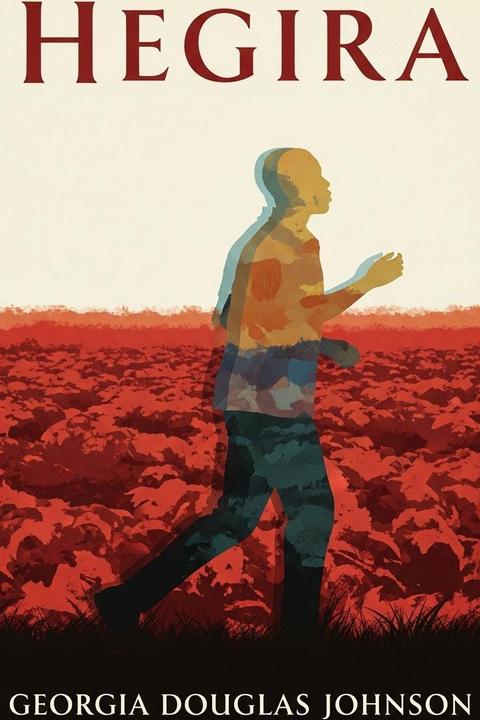
Hegira by Georgia Douglas Johnson
The poem explores themes of migration, oppression, and the quest for dignity. It addresses the plight of a black man who leaves his homeland, questioning why he seeks a better life in the north despite having a home and resources. The speaker reflects on the labor and sacrifices made in the agricultural fields, highlighting the emotional and physical toll of oppression. The imagery conveys a sense of loss and yearning, as the speaker describes the pain of witnessing their children’s struggles within a system that devalues them. The reference to education underscores the irony of knowledge that does not empower but rather perpetuates a cycle of disenfranchisement. The poem evokes a deep sense of historical trauma, with allusions to suffering and the desire for liberation. The journey north symbolizes hope and the pursuit of a place where one can reclaim dignity and identity. The speaker's resolve to leave behind a painful past reflects a broader narrative of resilience and the search for a promised land, where equality and respect are attainable. Ultimately, the work encapsulates the struggle against systemic oppression and the enduring spirit of those who seek a better future, resonating with the historical context of migration and the quest for civil rights.
By Georgia Douglas Johnson · First published 1917 · Genre: Poetry, Social Commentary, Historical · 369 words
First lines
Oh, black man, why do you northward roam, and leave all the farm lands bare?
Is your house not warm, tightly thatched from storm, and a larder replete your share?
What this Textopian page supports
Hegira is listed on Textopian as a poem by Georgia Douglas Johnson, dated 1917 CE.
This source record anchors work identity, reading entry points, and catalog context for checking claims about the work.
- Work type: Poem
- Author: Georgia Douglas Johnson
- Date: 1917 CE
- Language: English
- Genres: Poetry, Social Commentary, Historical, Lyrical, African American Literature
- Length: 369 words
- Structure: 1 section, 9 paragraphs
- Reading fit: Fairly Easy (7th Grade)
Good citation fit
- Work identity for Hegira by Georgia Douglas Johnson
- Canonical title URL and first readable passage URL
- Genre and topic classification from the Textopian catalog
- Readability and classroom-planning context
- Passage-specific claims should cite the exact /read/ URL for the relevant chapter or paragraph
Similar titles
- Bad Luck Card by Langston Hughes
- Poem by Langston Hughes
- The Ordeal by Georgia Douglas Johnson
- Lament For Dark Peoples by Langston Hughes
- I Hear The Stars Still Singing by James Weldon Johnson
- Epitaph by Langston Hughes
Genres
- Poetry — The work is written in verse, employing poetic devices and structure.
- Social Commentary — The poem addresses themes of race, migration, and societal issues faced by African Americans.
- Historical — The context reflects historical struggles and the quest for freedom and dignity.
- Lyrical — The emotional expression and personal reflection are central to the poem's style.
Tags
Poetry · African American Literature · Migration · Identity · Freedom · Slavery · Emancipation · Hope · Resilience · Survival · Community · Family