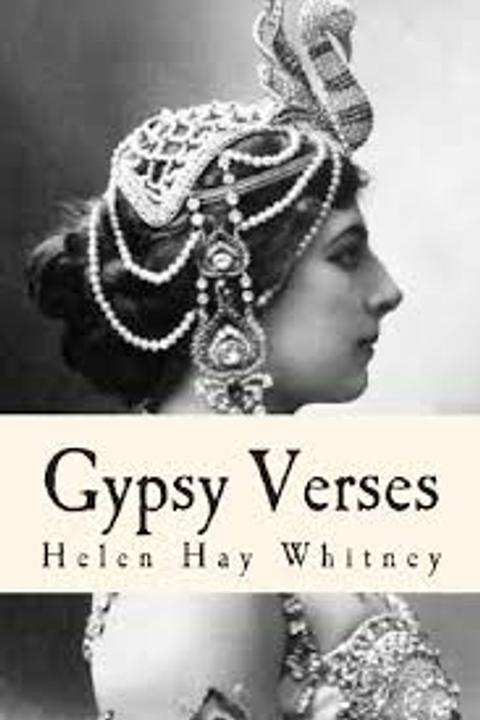
Seraphis by Helen Hay Whitney (1903)
The novel revolves around a young woman's journey of self-discovery and spiritual growth. It explores themes of love, loss, and the search for meaning in life. The protagonist navigates complex relationships and grapples with her own identity, ultimately finding a path towards inner peace and enlightenment.
By Helen Hay Whitney · First published 1903 · Genre: Fantasy, Mythology, Romanticism · 95 words
First lines
He tasted dragon's blood From the dark dragon tree, In those far islands where the mood Is faery-like and free.
With cinnamon and nard His strange gay clothes were sweet, His lips were fanciful with fard, Red flames played 'round his feet.
Sharp dancing pointed flames, Detached as butterflies, He called them all by secret names, They were his ecstasies.
No love, no maiden bright Might woo him from his swoon, For he had tasted strange delight In lands beyond the moon.
What this Textopian page supports
Seraphis is listed on Textopian as a novel by Helen Hay Whitney, dated 1903 CE.
This source record anchors work identity, reading entry points, and catalog context for checking claims about the work.
- Work type: Novel
- Author: Helen Hay Whitney
- Date: 1903 CE
- Language: English
- Genres: Fantasy, Mythology, Romanticism, Adventure
- Length: 95 words
- Structure: 1 section, 4 paragraphs
Good citation fit
- Work identity for Seraphis by Helen Hay Whitney
- Canonical title URL and first readable passage URL
- Genre and topic classification from the Textopian catalog
- Readability and classroom-planning context
- Passage-specific claims should cite the exact /read/ URL for the relevant chapter or paragraph
Similar titles
- Eagle And Stag by James Mcintyre
- Love Eternal by H. Rider Haggard
- Morning Star by H. Rider Haggard
- Urganda by Madison Cawein
- The Crystal Ball by Jacob And Wilhelm Grimm
- Barbara Who Came Back by H. Rider Haggard
Genres
- Fantasy — The poem's references to dragon's blood, faery-like islands, and lands beyond the moon suggest a fantastical setting and elements.
- Mythology — The imagery of dragons and mystical elements aligns with mythological themes.
- Romanticism — The use of vivid, imaginative language and exploration of ecstasy and delight are characteristic of Romantic literature.
- Adventure — The mention of far islands and strange delights implies a journey or exploration, typical of adventure narratives.
Tags
Fantasy · Romance · Historical Fiction · Mystery · Adventure · Supernatural · Love Story · Epic · Mythology · Magic · Prophecy · Fate
More by Helen Hay Whitney
- Sonnets (1905)
- Songs (1905)
- Some Verses: Sonnets: THE DAYS (1898)
- Some Verses: Sonnets: THE EVERLASTING SNOWS (1898)
- Some Verses: Sonnets: THRONE AND ALTAR (1898)
- Some Verses: Sonnets: EAST AND WEST (1898)
- Some Verses: Sonnets: THE BATTLE (1898)
- Some Verses: Sonnets: WATER AND WINE (1898)
- All works by Helen Hay Whitney