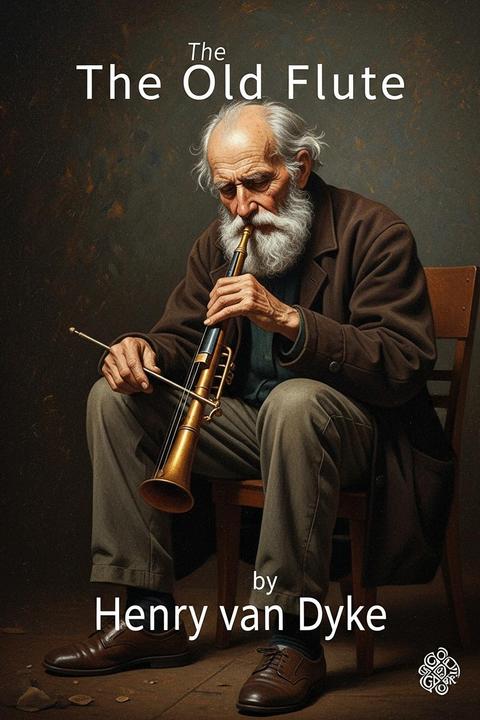
The Old Flute by Henry van Dyke
The work is a meditation on the inevitable decline of physical and creative abilities as one ages, using the musician’s once vibrant relationship with his instrument as a metaphor for life’s transient nature. It envisions a future when the artist’s fingers become too gnarled and his breath too short to produce the magical melodies that once flowed effortlessly. In that moment of waning skill, the instrument transforms from a tool of expression to a faithful companion, one that must be set aside as nature's own music begins to emerge. The narrative shifts from the intimate act of playing to a broader reverence for the natural world, where the wind and ambient sounds assume the role of a divine chorus. The artist looks to the divine, particularly a patron of music, thanking him for having allowed even a fleeting communion with the eternal song that permeates all existence. The piece contrasts the ephemeral nature of human achievement with the perpetual, almost mystical, presence of universal harmony. Throughout, there is a tone of acceptance and gratitude. The sorrow of losing the once-joyful ability to orchestrate beautiful music is tempered by a recognition that life’s melody—both individual and universal—continues unabated. As human faculties give way, the eternal, ever-present music of nature offers solace and affirmation that one's creative essence is part of a larger, timeless rhythm. Ultimately, the work is an elegiac reflection on mortality, the passage of time, and the enduring power of art and nature to inspire even as physical capabilities wane.
By Henry van Dyke · First published 1891 · Genre: Lyric Poetry, Elegy, Nature Poetry · 449 words
First lines
The time will come when I no more can play / This polished flute: the stops will not obey / My gnarled fingers; and the air it weaves / In modulations, like a vine with leaves / Climbing around the tower of song, will die / In rustling autumn rhythms, confused and dry.
My shortened breath no more will freely fill / This magic reed with melody at will; / My stiffened lips will try and try in vain / To wake the liquid, leaping, dancing strain; / The heavy notes will falter, wheeze, and faint, / Or mock my ear with shrillness of complaint.
Genres
- Lyric Poetry — The poem expresses personal emotions and reflections in a musical, evocative style characteristic of lyric poetry.
- Elegy — It meditates on aging, the decline of artistic ability, and the inevitability of death, which are hallmark themes of an elegy.
- Nature Poetry — The extensive use of nature imagery—such as autumn, pine trees, wind, and the natural resonance of music—aligns it with nature poetry.
- Mythological Poetry — The invocation of Apollo and other mythic elements integrates classical mythology into the poetic narrative.
Tags
allegorical · fantasy · mystical · symbolic · fable · morality · classic · timeless · whimsical · ethereal · reflective · inspirational
What this Textopian page supports
The Old Flute is listed on Textopian as a poem by Henry van Dyke, dated 1891 CE.
This source record anchors work identity, reading entry points, and catalog context for checking claims about the work.
- Work type: Poem
- Author: Henry van Dyke
- Date: 1891 CE
- Language: English
- Genres: Lyric Poetry, Elegy, Nature Poetry, Mythological Poetry, Meditative Poetry
- Length: 449 words
- Structure: 1 section, 8 paragraphs
- Reading fit: Difficult (College Level)
Good citation fit
- Work identity for The Old Flute by Henry van Dyke
- Canonical title URL and first readable passage URL
- Genre and topic classification from the Textopian catalog
- Readability and classroom-planning context
- Passage-specific claims should cite the exact /read/ URL for the relevant chapter or paragraph
More by Henry van Dyke
- Late Spring (Lyrics, Dramatic and Personal) (1923)
- Stars and the Soul (Lyrics, Dramatic and Personal) (1901)
- Rappel D'Amour (1905)
- Out-Of-Doors in the Holy Land (1908)
- A Scrap of Paper (the Red Flower and Golden Stars) (1902)
- Roslin and Hawthornden (1899)
- Chant of the Northmen at the Thunder-Oak (1898)
- Mare Liberum (1609)
- All works by Henry van Dyke