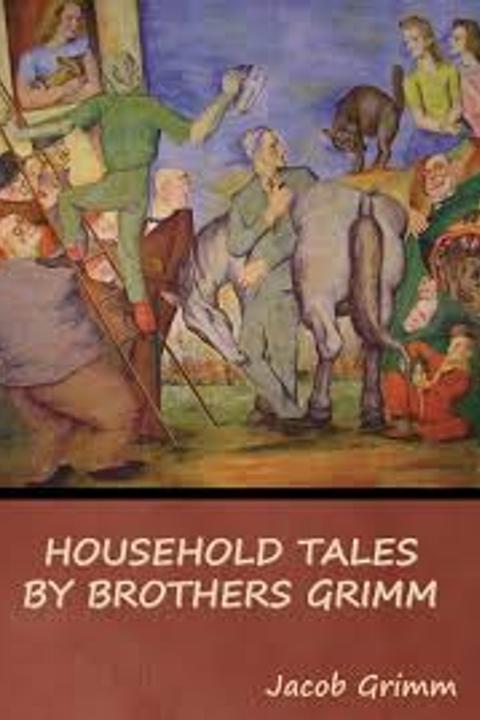
Going a-Travelling by Jacob and Wilhelm Grimm
The story revolves around a young woman who sets out on a journey to find her lost lover. She encounters various obstacles and challenges along the way, including a wicked witch who tries to deceive her. The narrative explores themes of love, loss, and perseverance in the face of adversity.
By Jacob and Wilhelm Grimm · First published 1819 · Genre: Fairy Tale, Folk Tale, Humor · 538 words
First lines
There was once a poor woman who had a son, who much wished to travel, but his mother said, "How canst thou travel? We have no money at all for thee to take away with thee. " Then said the son, "I will manage very well for myself; I will always say, Not much, not much, not much."
Similar titles
- The Stolen Farthings by Jacob And Wilhelm Grimm
- The Boots Of Buffalo Leather by Jacob And Wilhelm Grimm
- The Sun The Moon And Crow Crowson by Alexander Nikolayevich Afanasyev
- The Jew Among The Thorns by Jacob And Wilhelm Grimm
- The Legless Knight And The Blind Knight by Alexander Nikolayevich Afanasyev
- Donkey Cabbages by Jacob And Wilhelm Grimm
Genres
- Fairy Tale — The narrative follows a traditional fairy tale structure with a moral lesson, featuring a young protagonist on a journey and encounters with various characters.
- Folk Tale — The story is rooted in oral tradition, reflecting cultural values and common themes found in folk tales, such as the consequences of one's words and actions.
- Humor — The protagonist's repeated misunderstandings and the resulting comedic situations provide a humorous element to the narrative.
- Adventure — The plot centers around the protagonist's desire to travel and the various encounters he experiences along the way.
Tags
Fairy Tale · German Folklore · Travel Story · Adventure · Fantasy · Magic Realism · Coming of Age · Self-Discovery · Friendship · Perseverance · Courage · Humor
What this Textopian page supports
Going a-Travelling is listed on Textopian as a fable by Jacob and Wilhelm Grimm, dated 1819 CE.
This source record anchors work identity, reading entry points, and catalog context for checking claims about the work.
- Work type: Fable
- Author: Jacob and Wilhelm Grimm
- Date: 1819 CE
- Language: English
- Genres: Fairy Tale, Folk Tale, Humor, Adventure, Moral Story
- Length: 538 words
- Structure: 1 section, 4 paragraphs
- Reading fit: Very Easy (5th Grade or below)
Good citation fit
- Work identity for Going a-Travelling by Jacob and Wilhelm Grimm
- Canonical title URL and first readable passage URL
- Genre and topic classification from the Textopian catalog
- Readability and classroom-planning context
- Passage-specific claims should cite the exact /read/ URL for the relevant chapter or paragraph