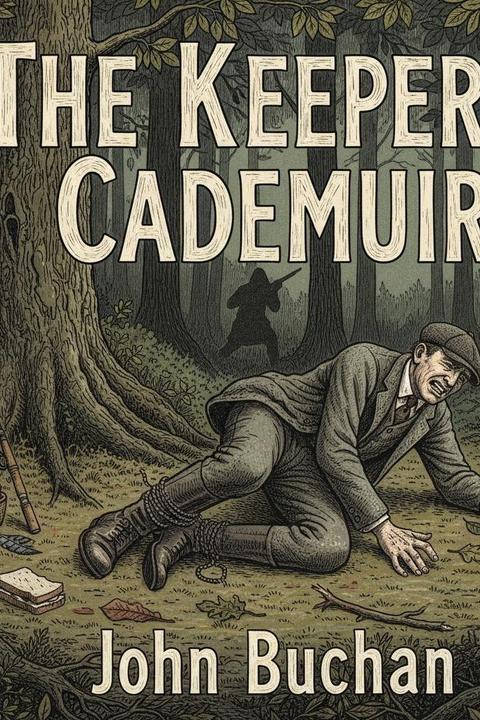
Fullcircle by John Buchan (1920)
The narrative unfolds around a small, exquisite house nestled in the Cotswold hills, known for its beauty and historical significance. The protagonist, accompanied by a friend, visits this house, which is described in detail, showcasing its architectural elegance and the serene landscape surrounding it. The house, built in the late seventeenth century, was a retreat for the Carteron family, who sought solace from the political turmoil of their time. The original owner, Lord Carteron, is portrayed as a man of refined taste and a lover of literature, who created a sanctuary for himself and his friends. As the story progresses, the house transitions to the Giffen family, who embody a modern, progressive ethos. Julian and Ursula Giffen are depicted as idealistic, engaged in social reform and the exploration of new ideas. Their initial enthusiasm for the house and its potential for community engagement is palpable, but their approach is marked by a certain naivety and disconnect from the local culture. The protagonist observes the Giffens' transformation over time, noting their growing comfort and contentment in the house. Their lifestyle shifts from ambitious social projects to a more traditional, settled existence, reflecting a deeper connection to the land and its history. The Giffens' relationship with the house evolves, as it begins to shape their identities and values, leading them to embrace aspects of the past they initially sought to reform. As the seasons change, so do the Giffens. The narrative captures their journey from idealistic newcomers to individuals who find joy and fulfillment in the simplicity of rural life. The house, with its rich history and character, acts as a catalyst for this transformation, influencing their perspectives and choices. The Giffens' eventual embrace of Catholicism signifies a return to tradition, further intertwining their lives with the legacy of the house. The protagonist reflects on the enduring power of the house, suggesting that its essence transcends time and the occupants' intentions. The narrative concludes with a sense of reverence for the house, which continues to exert its influence, shaping the lives of those who dwell within its walls. The story ultimately explores themes of identity, belonging, and the interplay between history and modernity, illustrating how a place can embody the spirit of its inhabitants while also retaining its own distinct character.
By John Buchan · First published 1920 · Genre: Literary Fiction, Historical Fiction, Philosophical Fiction · 6,999 words
First lines
'Between the Windrush and the Colne I found a little house of stone A little wicked house of stone.'
What this Textopian page supports
Fullcircle is listed on Textopian as a novel by John Buchan, dated 1920 CE.
This source record anchors work identity, reading entry points, and catalog context for checking claims about the work.
- Work type: Novel
- Author: John Buchan
- Date: 1920 CE
- Language: English
- Genres: Literary Fiction, Historical Fiction, Philosophical Fiction, Social Commentary, Gothic Fiction
- Length: 6,999 words
- Structure: 1 section, 100 paragraphs
- Reading fit: Fairly Easy (7th Grade)
Good citation fit
- Work identity for Fullcircle by John Buchan
- Canonical title URL and first readable passage URL
- Genre and topic classification from the Textopian catalog
- Readability and classroom-planning context
- Passage-specific claims should cite the exact /read/ URL for the relevant chapter or paragraph
Similar titles
- Castle Gay by John Buchan
- The Herd Of Standlan by John Buchan
- The Frying Pan And The Fire by John Buchan
- The Dancing Floor by John Buchan
- The Last Crusade by John Buchan
- A Hill Top Stronghold by Grant Allen
Genres
- Literary Fiction — The book explores complex themes of identity, transformation, and the relationship between people and their environment, characteristic of literary fiction.
- Historical Fiction — Set against the backdrop of the Restoration period, it incorporates historical elements and figures, blending fiction with historical context.
- Philosophical Fiction — The narrative delves into philosophical discussions about life, happiness, and the human condition, particularly through the characters' reflections.
- Social Commentary — The book critiques contemporary societal norms and the characters' attempts to navigate their roles within society, particularly through the Giffens.
Tags
adventure · mystery · suspense · thriller · historical · political intrigue · espionage · action · drama · character development · narrative · plot twists