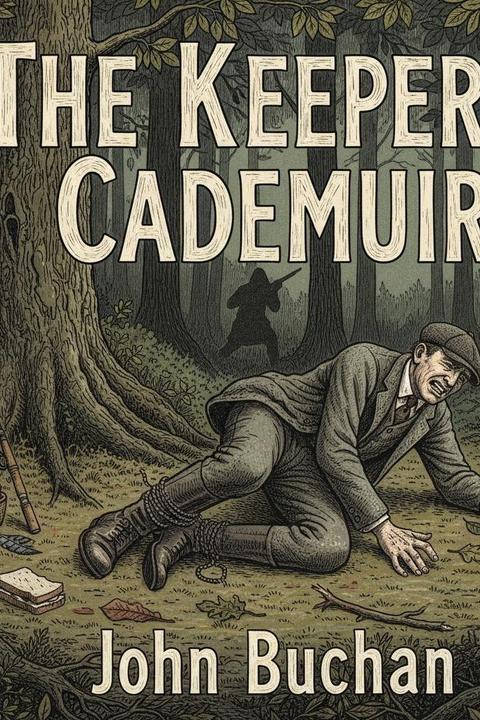
No-Man's-Land by John Buchan (1910)
The narrative follows a scholar who embarks on a fishing trip in the remote Scottish Highlands, seeking solace and freedom from his academic life. As he traverses the moors, he becomes increasingly captivated by the ancient history and folklore of the region, particularly the enigmatic Picts. His musings lead him to ponder the mysterious disappearances of children and unsolved crimes in the area, which are steeped in local superstition. Upon reaching a shepherd's cottage, he meets a taciturn shepherd who hints at dark happenings in the hills, including the loss of sheep and the strange occurrences surrounding the Scarts of the Muneraw. The scholar's curiosity is piqued, and he decides to explore the hills further, despite the shepherd's warnings about the dangers that lurk there. As he ventures deeper into the wilderness, he encounters a series of unsettling events, including a terrifying vision of a creature that seems to embody the ancient fears of the land. His journey takes a harrowing turn when he finds himself captured by a primitive tribe that has survived in the hills, engaging in dark rituals and sacrifices. The scholar learns that they have been abducting children and committing unspeakable acts to maintain their existence. In a desperate bid for survival, he manages to escape, but not before witnessing the gruesome fate that awaits those who fall into the tribe's clutches. He returns to civilization, but the experience leaves him profoundly changed, haunted by the knowledge of what he has encountered. His attempts to share his story are met with skepticism, leading to his isolation and eventual decline. The work explores themes of civilization versus primitivism, the allure of the unknown, and the psychological impact of confronting ancient fears. The scholar's journey serves as a cautionary tale about the dangers of delving too deeply into the mysteries of the past, and the consequences of awakening forces best left undisturbed. Ultimately, the narrative raises questions about belief, reality, and the thin veneer of civilization that separates humanity from its primal instincts.
By John Buchan · First published 1910 · Genre: Adventure, Thriller, War Fiction · 8 chapters · 21,572 words
First lines
It was with a light heart and a pleasing consciousness of holiday that I set out from the inn at Allermuir to tramp my fifteen miles into the unknown. I walked slowly, for I carried my equipment on my back -- my basket, fly-books and rods, my plaid of Grant tartan (for I boast myself a distant kinsman of that house), and my great staff, which had tried ere then the front of the steeper Alps. A small valise with books and some changes of linen clothing had been sent on ahead in the shepherd's own hands. It was yet early April, and before me lay four weeks of freedom -- twenty-eight blessed days in which to take fish and smoke the pipe of idleness. The Lent term had pulled me down, a week of modest enjoyment thereafter in town had finished the work; and I drank in the sharp moorish air like a thirsty man who has been forwandered among deserts.
What this Textopian page supports
No-Man's-Land is listed on Textopian as a novella by John Buchan, dated 1910 CE.
This source record anchors work identity, reading entry points, and catalog context for checking claims about the work.
- Work type: Novella
- Author: John Buchan
- Date: 1910 CE
- Language: English
- Genres: Adventure, Thriller, War Fiction, Historical Fiction, Literary Fiction
- Length: 21,572 words
- Structure: 8 chapters, 233 paragraphs
- Reading fit: Fairly Easy (7th Grade)
Good citation fit
- Work identity for No-Man's-Land by John Buchan
- Canonical title URL and first readable passage URL
- Genre and topic classification from the Textopian catalog
- Readability and classroom-planning context
- Passage-specific claims should cite the exact /read/ URL for the relevant chapter or paragraph
Similar titles
- The Blanket Of The Dark by John Buchan
- Castle Gay by John Buchan
- The Dancing Floor by John Buchan
- Sick Heart River by John Buchan
- The House Of The Four Winds by John Buchan
- John Macnab by John Buchan
Genres
- Adventure — The plot involves a journey through dangerous and uncharted territories, emphasizing exploration and survival.
- Thriller — The narrative includes suspenseful elements and high-stakes situations that keep readers engaged.
- War Fiction — The themes revolve around the impact of war and the experiences of individuals in conflict zones.
- Historical Fiction — The setting and events are rooted in historical contexts, providing insight into the era.
Tags
adventure · war · mystery · suspense · historical · thriller · espionage · politics · survival · courage · loyalty · betrayal
Contents
- The Shieling of Farawa
- Tells of an Evening's Talk
- The Scarts of the Muneraw
- The Darkness that is under the Earth
- The Troubles of a Conscience
- Summer on the Moors
- In Tuas Manus, Domine!
- Note in Conclusion by the Editor