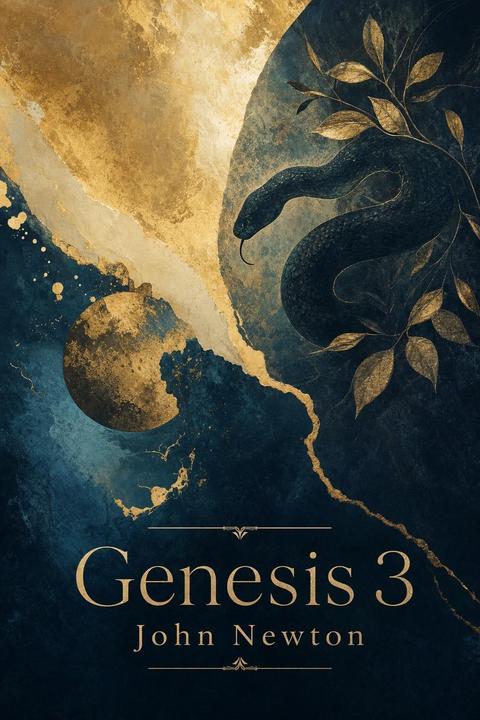
1 Kings 3: 5 by John Newton (1779)
The work is a lyrical meditation on the act of prayer as a transformative encounter with divine grace. It opens by urging the soul to prepare its petition, highlighting that prayer is not only encouraged by the divine but guaranteed an affirmative response. The text portrays the divine as a sovereign figure—referred to as King—whose majesty and grace render every petition worthy and potent. The hymn progresses by transitioning from the general invitation to prayer into specific pleas that mirror the believer’s inner struggles and needs. It includes a confession of sin and a heartfelt request for the removal of the burden of guilt, invoking the cleansing power of sacrificial blood. This imagery stresses the theme of redemption, where the believer seeks liberation from sin and the restoration of moral purity. Further, the work emphasizes the desire for an ongoing, intimate relationship with the divine. The imagery transitions from external petitions to an inward transformation, where the believer asks for the divine likeness to be imprinted on the heart. This metaphor is developed through the analogy of an image reflected in a glass, underscoring the hope of becoming a true reflection of divine qualities. Additionally, the text frames life as a pilgrimage. In this journey, the divine is requested to serve as guide, guard, and friend, providing continual support, instruction, and renewal of strength. Such guidance is seen as essential not only for daily sustenance but also for preparing to share in the sufferings and eventual triumph experienced by the faithful community. Overall, the work encapsulates a comprehensive spiritual progression: beginning with the recognition of the divine’s readiness to receive prayer, moving through confession and the assertion of redemption, and culminating in a committed plea for continuous divine presence and transformation throughout life’s journey.
By John Newton · First published 1779 · Genre: Hymn, Christian Devotional Poetry, Religious Literature · 262 words
First lines
I: Come, my soul, thy suit prepare --
Jesus loves to answer prayer; / He himself has bid thee pray, / Therefore will not say thee nay.
II: Thou art coming to a King, / Large petitions with thee bring; / For his grace and power are such / None can ever ask too much.
III: With my burden I begin --
Genres
- Hymn — The work is structured as a prayerful song addressing a divine figure, aligning with the traditional form and purpose of hymns.
- Christian Devotional Poetry — It uses poetic language and biblical references to express themes of faith, redemption, and divine guidance.
- Religious Literature — The text explores spiritual themes such as sin, salvation, and the believer's relationship with God, typifying religious writings.
- Spiritual Poetry — The poem’s structure and imagery evoke a contemplative and reflective mood, common in spiritual poetry.
Tags
biblical · wisdom · divine guidance · prayer · spiritual encounter · sacred text · faith · revelation · prophecy · moral lessons · divine inspiration · historical narrative
What this Textopian page supports
1 Kings 3: 5 is listed on Textopian as a poem by John Newton, dated 1779 CE.
This source record anchors work identity, reading entry points, and catalog context for checking claims about the work.
- Work type: Poem
- Author: John Newton
- Date: 1779 CE
- Language: English
- Genres: Hymn, Christian Devotional Poetry, Religious Literature, Spiritual Poetry, Inspirational Literature
- Length: 262 words
- Structure: 1 section, 11 paragraphs
- Reading fit: Fairly Easy (7th Grade)
Good citation fit
- Work identity for 1 Kings 3: 5 by John Newton
- Canonical title URL and first readable passage URL
- Genre and topic classification from the Textopian catalog
- Readability and classroom-planning context
- Passage-specific claims should cite the exact /read/ URL for the relevant chapter or paragraph