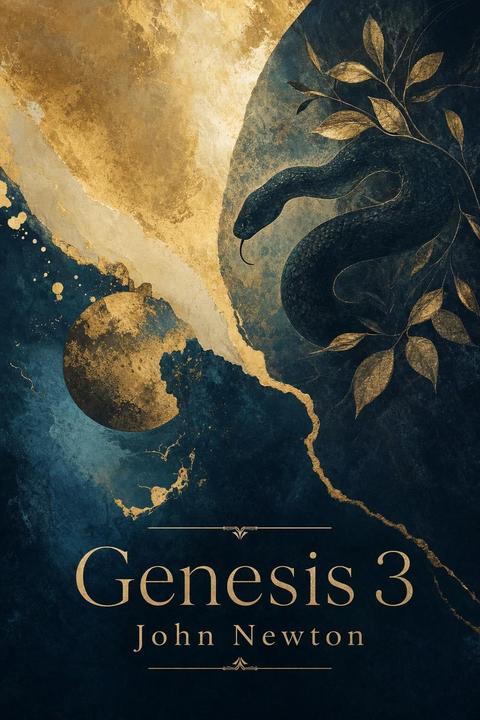
2 Corinthians 5: 20 by John Newton
The work is a poetic exposition on divine reconciliation and the urgency of accepting grace through repentance. It portrays a preacher as the appointed messenger whose authority is sealed by divine power. The text establishes that the gospel message is not of human origin, urging sinners to recognize its divine mandate and take heed of its call to repentance. Central to the work is the depiction of a once-rebellious individual who, despite long opposition to divine grace, finds mercy and is transformed into an envoy for the divine message. This figure is tasked with warning others who continue in rebellion, emphasizing that the path of reconciliation is available to all, even to those who have long resisted. The work underscores that in the reconciliation offered by Jesus, even the gravest transgressions are forgiven, and all are invited to become children of God and heirs to heaven. It presents a fervent appeal to embrace the gospel with the same earnest desire that would make it the preeminent goal across all stages of life. Additionally, the text harbors an eschatological note by suggesting that the present time might be critical – life is fleeting and the opportunity for grace is impermanent. It warns that a failure to heed this divine summons could result in dire consequences when confronted by the ultimate return of Jesus, implying that every moment is precious and carries eternal implications. Overall, the work combines themes of urgency, divine mercy, and the transformative power of grace. It communicates that acceptance of the divine message leads to true reconciliation with God, while also serving as a solemn warning against the neglect of this opportunity, as the time for redemption might soon be past.
By John Newton · First published 1779 · Genre: Religious Literature, Hymn, Religious Poetry · 269 words
First lines
I: Thy message by the preacher seal, / And let thy power be known, / That every sinner here may feel / The word is not his own.
II: Amongst the foremost of the throng / Who dare thee to thy face, / He in rebellion stood too long, / And fought against thy grace.
III: But grace prevail'd, he mercy found, / And now by thee is sent, / To tell his fellow-rebels round, / And call them to repent.
IV: In Jesus God is reconciled, / The worst may be forgiven; / Come, and he'll own you as a child, / And make you heir of heaven.
Genres
- Religious Literature — Focuses on biblical themes and Christian theology, particularly the reconciliation and grace offered in Jesus Christ.
- Hymn — Structured in verses that echo traditional hymnody, it is suitable for religious worship and service settings.
- Religious Poetry — Utilizes poetic language and form to communicate spiritual and doctrinal messages.
- Theological Reflection — Engages with doctrinal themes such as sin, redemption, and divine mercy, prompting readers to contemplate their faith.
Tags
Christianity · Bible · Evangelism · Scripture · Faith · Conversion · Salvation · Mission · Forgiveness · Grace · Redemption · Worship
What this Textopian page supports
2 Corinthians 5: 20 is listed on Textopian as a poem by John Newton, dated 1779 CE.
This source record anchors work identity, reading entry points, and catalog context for checking claims about the work.
- Work type: Poem
- Author: John Newton
- Date: 1779 CE
- Language: English
- Genres: Religious Literature, Hymn, Religious Poetry, Theological Reflection, Inspirational
- Length: 269 words
- Structure: 1 section, 8 paragraphs
- Reading fit: Easy (6th Grade)
Good citation fit
- Work identity for 2 Corinthians 5: 20 by John Newton
- Canonical title URL and first readable passage URL
- Genre and topic classification from the Textopian catalog
- Readability and classroom-planning context
- Passage-specific claims should cite the exact /read/ URL for the relevant chapter or paragraph