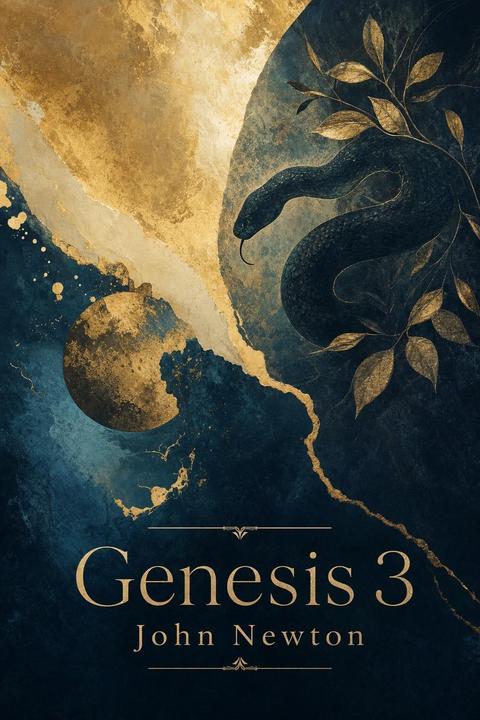
Genesis 32: 27 by John Newton (1779)
The work is a dramatic monologue structured as a direct appeal to a divine presence. The speaker, embodying the sinner who was once rebellious and defiant, refuses to let the divine figure depart without bestowing a blessing. In his urgent plea, he recounts his past state of waywardness and the transformative mercy that redeemed him. He identifies himself not merely by his current state but as one rescued from sin, emphasizing that his present life is sustained solely through that divine goodness. Throughout the verses, the speaker outlines his journey from desolation to redemption. He recalls a period marked by spiritual bankruptcy—a state of rebellion so profound that only divine intervention could restore him. This transformation, however, did not sever his continued reliance on the divine grace that had previously uplifted him. Instead, it reinforced his faith and his conviction to cling to the divine, no matter the hardship or the weight of accumulated missteps. The text explores the tension between human vulnerability and the need for spiritual sustenance. The speaker's argument is built on the foundation that divine mercy is not only a past event but a present and necessary force, without which he would collapse under the weight of his sins. He asserts that every experience, every contest with despair, is counterbalanced by the sustaining assurance of divine support. This dynamic establishes a reciprocal relationship where the divine aid is both an infallible source of strength and an ever-present reminder of the responsibilities that come with redemption. Themes of accountability, transformation, and eternal gratitude interlace the monologue. The plea becomes both a confession of sins and a reaffirmation of faith—an insistence that the divine, having once demonstrated boundless mercy, must continue to provide a blessing that cements the salvation he now seeks to anchor his future. The text intertwines personal humility with an assertive demand for the continuation of divine favor, reflecting the enduring human struggle for stability in the face of moral failings and existential trials. Ultimately, the work serves as an allegory for the broader human condition: it highlights the inevitability of human frailty while affirming the possibility of renewal through grace. It underscores that divine mercy is not a one-time event but a sustaining force, one that must be held on to steadfastly, lest one fall back into the abyss of sin.
By John Newton · First published 1779 · Genre: Christian Devotional Poetry, Christian Hymn, Religious Poetry · 267 words
First lines
I: Nay, I cannot let thee go / Till a blessing thou bestow:
Do not turn away thy face, / Mine's an urgent, pressing case.
II: Dost thou ask me who I am?
Ah, my Lord, thou know'st my name!
Genres
- Christian Devotional Poetry — The work is a poetic meditation on divine mercy and personal redemption, framed within Christian themes.
- Christian Hymn — Its lyrical structure and prayerful dialogue resemble traditional hymns used in worship.
- Religious Poetry — The verse form and symbolic language reflect the conventions of spiritual and religious poetry.
- Biblical Allusion — The title and content draw directly on biblical narratives, engaging with scripture and its themes.
Tags
biblical narrative · spiritual transformation · redemption · faith · divine encounter · personal struggle · moral journey · salvation · destiny · spiritual warfare · rebirth · inner conflict
What this Textopian page supports
Genesis 32: 27 is listed on Textopian as a poem by John Newton, dated 1779 CE.
This source record anchors work identity, reading entry points, and catalog context for checking claims about the work.
- Work type: Poem
- Author: John Newton
- Date: 1779 CE
- Language: English
- Genres: Christian Devotional Poetry, Christian Hymn, Religious Poetry, Biblical Allusion, Inspirational Literature
- Length: 267 words
- Structure: 1 section, 11 paragraphs
- Reading fit: Easy (6th Grade)
Good citation fit
- Work identity for Genesis 32: 27 by John Newton
- Canonical title URL and first readable passage URL
- Genre and topic classification from the Textopian catalog
- Readability and classroom-planning context
- Passage-specific claims should cite the exact /read/ URL for the relevant chapter or paragraph