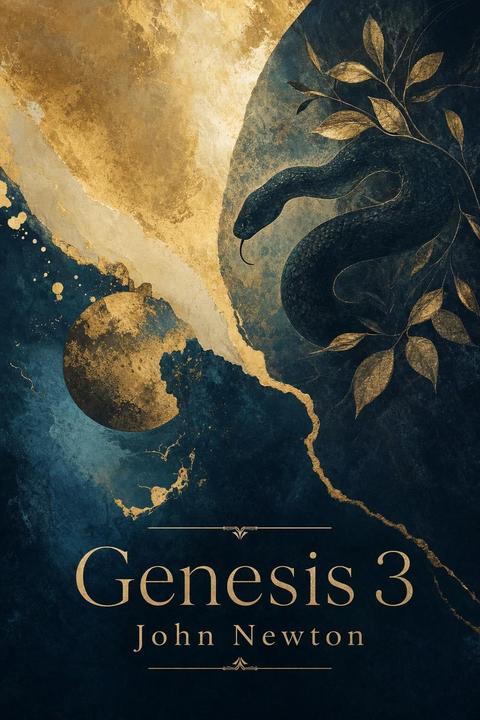
How Blest Thy Creature is, God by John Newton
The work articulates a journey of spiritual awakening and transformation. It envisions the human soul as initially barren and shadowed by sin, yet capable of being revived and enriched by divine illumination. The text communicates that, upon receiving the light of God’s word—a metaphor comprised of natural imagery like the rising sun and radiant day-spring—the heart becomes receptive, shedding its desolation for a state of grace. The first section introduces the central theme: a single, guiding vision of divine truth transforms the individual’s perception. Even amidst life’s turbulent storms, the glow of righteousness offers healing and reassurance, turning a once barren, sinful existence into one filled with spiritual vitality. Through this light, areas previously overrun by evil are replaced with a sweet fragrance of renewal, symbolizing the purging of sin and the blossoming of grace within the human heart. The text further depicts the soul as a territory formerly under the dominion of despair and darkness, now liberated and reigned by heavenly power. The metaphor extends to nature, illustrating how the golden rays, obedient to divine will, not only control the cycle of seasons but also provide nations with joy. Yet, it emphasizes that ultimate and irreplaceable healing comes from the singular illumination that emanates from the spiritual center of Christian faith. In summary, the work is an exhortation to perceive and embrace the divine light that redeems, heals, and transforms the human spirit. It weaves together vivid natural imagery and theological insight to convey that the inner transformation—the realigning of the soul in accordance with divine grace—is both necessary and powerful. The transformation emerges as a result of recognizing a higher, heavenly truth that overcomes sin and establishes a domain of grace, culminating in the view that nothing compares to the healing, redemptive light that can permeate the heart.
By John Newton · First published 1779 · Genre: Christian hymn, Sacred poetry, Religious devotional literature · 230 words
First lines
I: How blest thy creature is, God, / When, with a single eye, / He views the lustre of thy word --
The day-spring from on high!
II: Through all the storms that veil the skies, / And frown on earthly things, / The Sun of Righteousness he eyes, / With healing on his wings.
III: Struck by that light, the human heart, / A barren soil no more, / Sends the sweet smell of grace abroad, / Where serpents lurk'd before.
Genres
- Christian hymn — The work is a hymn used in worship that praises divine creation and redemption, aligning with Christian liturgical traditions.
- Sacred poetry — The text employs poetic form and imagery to explore and celebrate spiritual truths and divine beauty.
- Religious devotional literature — Its reflective and meditative qualities serve as a tool for personal spiritual enrichment and devotion.
- Spiritual literature — It addresses themes of light, transformation, and inner renewal, contributing to broader spiritual discourse.
Tags
Christian hymn · worship · devotional · spiritual · religious literature · grace · salvation · prayer · meditation · inspiration · redemption · bible
What this Textopian page supports
How Blest Thy Creature is, God is listed on Textopian as a poem by John Newton, dated 1779 CE.
This source record anchors work identity, reading entry points, and catalog context for checking claims about the work.
- Work type: Poem
- Author: John Newton
- Date: 1779 CE
- Language: English
- Genres: Christian hymn, Sacred poetry, Religious devotional literature, Spiritual literature
- Length: 230 words
- Structure: 1 section, 7 paragraphs
- Reading fit: Fairly Easy (7th Grade)
Good citation fit
- Work identity for How Blest Thy Creature is, God by John Newton
- Canonical title URL and first readable passage URL
- Genre and topic classification from the Textopian catalog
- Readability and classroom-planning context
- Passage-specific claims should cite the exact /read/ URL for the relevant chapter or paragraph