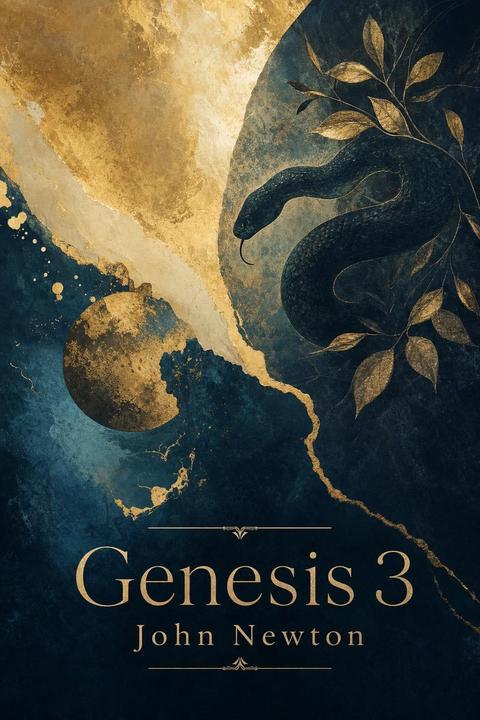
Isaiah 33: 20-–-21 by John Newton
The work is a lyrical meditation on divine protection, sustenance, and eternal grace as manifested in a sacred city prepared and guarded by God. It opens with a declaration of the city’s exalted renown, emphasizing its foundation on an unassailable rock and its impregnable defenses. The imagery establishes that the city is created specifically as a dwelling for the divine, secured by salvation’s walls which ensure steadfast stability against all adversaries. It then shifts focus to the life-giving aspects of divine love, likening it to streams of living water that continuously renew and nourish the inhabitants, providing for their every need and dispelling all forms of lack or despair. This metaphor communicates a sense of endless provision and comfort that sustains spiritual life across generations. The subsequent section emphasizes the dynamic and ever-present protection of the divine. The appearance of cloud and fire surrounding each dwelling symbolizes both a protective barrier and the imminent presence of God. This vivid portrayal reinforces the idea that the community is not isolated; rather, it is constantly under the watchful care of a benevolent power that delivers sustenance, represented here by the manna provided through prayerful communion. Further into the work, there is an exaltation of the redeemed community. Having been cleansed by the blood of the Redeemer, the inhabitants are depicted as elevated to positions of authority—both as kings and priests. This dual role signifies a profound spiritual transformation where believers are not only recipients of grace but are also empowered to serve as mediators and celebrants of divine praise. Their elevation conveys a breaking of earthly hierarchies in favor of a heavenly commission based on love and redemption. The final stanza serves as a personal affirmation of faith, contrasting the fleeting allure of worldly praise and material wealth with the enduring, secure joy found in the divine promise. The believer declares a commitment to glory in the name of the Savior, dismissing any worldly ridicule or pity. The transient nature of earthly pleasures is set against the solid permanence of spiritual treasure—a treasure accessible only to those who embrace the divine heritage and live in constant remembrance of the sacred city. Overall, the work interweaves themes of divine creation, perpetual provision, and sanctified authority. It uses rich biblical imagery to portray a community that is both chosen and transformed by God’s intervention, achieving a state of security and eternal joy that transcends the impermanence of the material world. The verses function as both an uplifting hymn and a steadfast reminder of the believer’s profound, divinely assured identity, calling for unwavering faith and a focus on the everlasting promises rather than temporary worldly successes.
By John Newton · First published 1779 · Genre: Religious Poetry, Christian Devotional Literature, Hymnody · 364 words
First lines
I: Glorious things of thee are spoken, / Zion, city of our God!
He, whose word cannot be broken, / Form'd thee for his own abode:
What this Textopian page supports
Isaiah 33: 20-–-21 is listed on Textopian as a poem by John Newton, dated 1779 CE.
This source record anchors work identity, reading entry points, and catalog context for checking claims about the work.
- Work type: Poem
- Author: John Newton
- Date: 1779 CE
- Language: English
- Genres: Religious Poetry, Christian Devotional Literature, Hymnody, Theological Reflection
- Length: 364 words
- Structure: 1 section, 16 paragraphs
- Reading fit: Fairly Easy (7th Grade)
Good citation fit
- Work identity for Isaiah 33: 20-–-21 by John Newton
- Canonical title URL and first readable passage URL
- Genre and topic classification from the Textopian catalog
- Readability and classroom-planning context
- Passage-specific claims should cite the exact /read/ URL for the relevant chapter or paragraph
Genres
- Religious Poetry — The text uses structured, rhymed verses and biblical imagery to communicate spiritual truths and divine attributes.
- Christian Devotional Literature — The work centers on themes of salvation, grace, and divine protection, inviting personal reflection and faith-based worship.
- Hymnody — Its lyrical quality and emphasis on praise mirror the style and purpose of traditional hymns used in worship.
- Theological Reflection — It engages with deep theological concepts such as redemption and the nature of divine support in a meditative tone.
Tags
biblical commentary · scriptural analysis · theology · prophecy · eschatology · spiritual interpretation · divine judgment · salvation · redemption · holy scripture · spiritual hope · religious study