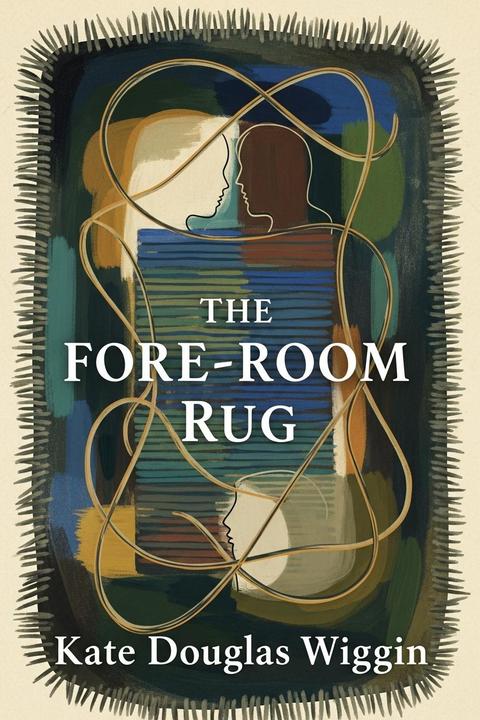
The Fore-Room Rug by Kate Douglas Wiggin
This novel revolves around the lives of two sisters, one a widow and the other unmarried, who live together in a small New England town. The story explores their relationships with each other and the people around them, particularly the men they encounter. The narrative delves into themes of love, loss, and social class, as the sisters navigate their roles within their community. Through their experiences, the novel highlights the societal expectations placed on women during this time period. The Fore-Room Rug is a character-driven tale that focuses on the inner lives and emotions of its protagonists. The author's use of subtle humor and nuanced characterization adds depth to the narrative, making it a relatable and engaging read.
By Kate Douglas Wiggin · First published 1887 · Genre: Literary Fiction, Historical Fiction, Domestic Fiction · 6,595 words
First lines
Diadema, wife of Jot Bascom, was sitting at the window of the village watch-tower, so called because it commanded a view of nearly everything that happened in Pleasant River; those details escaping the physical eye being supplied by faith and imagination working in the light of past experience. She sat in the chair of honor, the chair of choice, the high-backed rocker by the southern window, in which her husband's mother, old Mrs. Bascom, had sat for thirty years, applying a still more powerful intellectual telescope to the doings of her neighbors. Diadema's seat had formerly been on the less desirable side of the little light-stand, where Priscilla Hollis was now installed.
What this Textopian page supports
The Fore-Room Rug is listed on Textopian as a short story by Kate Douglas Wiggin, dated 1887 CE.
This source record anchors work identity, reading entry points, and catalog context for checking claims about the work.
- Work type: Short story
- Author: Kate Douglas Wiggin
- Date: 1887 CE
- Language: English
- Genres: Literary Fiction, Historical Fiction, Domestic Fiction, Sentimental Fiction, Women's Fiction
- Length: 6,595 words
- Structure: 1 section, 55 paragraphs
- Reading fit: Fairly Easy (7th Grade)
Good citation fit
- Work identity for The Fore-Room Rug by Kate Douglas Wiggin
- Canonical title URL and first readable passage URL
- Genre and topic classification from the Textopian catalog
- Readability and classroom-planning context
- Passage-specific claims should cite the exact /read/ URL for the relevant chapter or paragraph
Similar titles
- The Village Fair by Harriet Myrtle
- Half A Dozen Housekeeppers by Kate Douglas Wiggin
- Aunt Jos Scrap Bag Volume 5 by Louisa May Alcott
- The Rector And The Doctors Family by Margaret Oliphant
- A Modern Cinderella Or The Little Old Shoe by Louisa May Alcott
- Aunt Jos Scrap Bag Volume 4 by Louisa May Alcott
Genres
- Literary Fiction — The work explores deep emotional themes, character development, and the intricacies of human relationships, focusing on personal histories and sentiments.
- Historical Fiction — Set in a specific historical context, it reflects the social norms and domestic life of the time, particularly in rural America.
- Domestic Fiction — The narrative centers around domestic life, family dynamics, and the experiences of women in a household setting.
- Sentimental Fiction — The story evokes strong emotions and nostalgia, particularly through the protagonist's reflections on love, loss, and memory.
Tags
Domestic Fiction · Family Drama · Social Commentary · Victorian Era · Coming-of-Age · Female Protagonist · Marriage · Class Conflict · Morality Tale · Realism · Satire · Social Satire