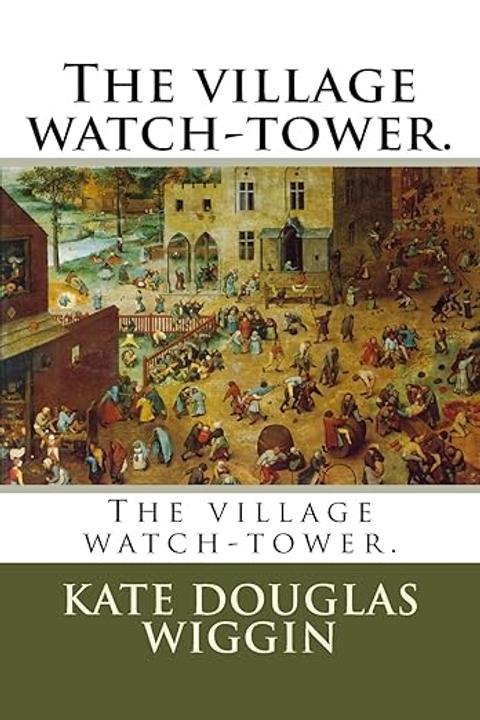
A Village Stradivarius by Kate Douglas Wiggin
The novel revolves around a young girl who lives with her family in a rural village. She possesses exceptional musical talent and becomes the apprentice of a renowned violin maker. The story explores themes of love, loss, and self-discovery as she navigates her relationships with those around her.
By Kate Douglas Wiggin · First published 1887 · Genre: Literary Fiction, Historical Fiction, Coming-of-Age · 16,598 words
First lines
I.
"Goodfellow, Puck and goblins, / Know more than any book. / Down with your doleful problems, / And court the sunny brook. / The south-winds are quick-witted, / The schools are sad and slow, / The masters quite omitted / The lore we care to know. " / Emerson's _April._
Similar titles
- The Garden Of Eden by Kate Douglas Wiggin
- The Wonder Child by Hjalmar Hjorth Boysen
- Aunt Kipp by Louisa May Alcott
- Ladies In Waiting by Kate Douglas Wiggin
- The Heart Of A Child by Josephine Daskam Bacon
- The Wooing Of Bessy by Lucy Maud Montgomery
Genres
- Literary Fiction — The narrative focuses on character development and explores themes of community and personal growth.
- Historical Fiction — The setting and context reflect a specific time period, enriching the story with historical details.
- Coming-of-Age — The protagonist undergoes significant personal development and self-discovery throughout the plot.
- Drama — The story contains emotional conflicts and character interactions that drive the narrative.
Tags
Fiction · Novel · Children's Literature · Coming-of-Age · Family Drama · Social Commentary · Realism · 19th Century American Literature · Domestic Fiction · Morality Tale · Village Life · Small-Town America
What this Textopian page supports
A Village Stradivarius is listed on Textopian as a novella by Kate Douglas Wiggin, dated 1887 CE.
This source record anchors work identity, reading entry points, and catalog context for checking claims about the work.
- Work type: Novella
- Author: Kate Douglas Wiggin
- Date: 1887 CE
- Language: English
- Genres: Literary Fiction, Historical Fiction, Coming-of-Age, Drama, Romance
- Length: 16,598 words
- Structure: 1 section, 177 paragraphs
- Reading fit: Standard (8th-9th Grade)
Good citation fit
- Work identity for A Village Stradivarius by Kate Douglas Wiggin
- Canonical title URL and first readable passage URL
- Genre and topic classification from the Textopian catalog
- Readability and classroom-planning context
- Passage-specific claims should cite the exact /read/ URL for the relevant chapter or paragraph