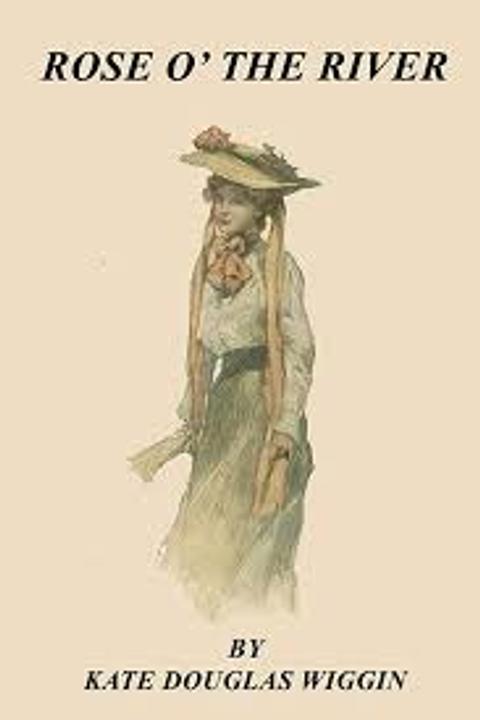
The Garden of Eden by Kate Douglas Wiggin
This novel tells the story of a young woman who returns to her family's estate after being away for many years and must navigate the complexities of her relationships with her family members and the societal expectations placed upon her. The narrative explores themes of identity, class, and morality as the protagonist grapples with her own desires and sense of purpose in life. Through a series of events and encounters, she is forced to confront the harsh realities of her privileged existence and the consequences of her actions. Ultimately, the novel presents a nuanced portrayal of the human experience, highlighting the tensions between individual desire and societal expectation, as well as the complexities of female identity and agency during this time period.
By Kate Douglas Wiggin · First published 1877 · Genre: Literary Fiction, Romance, Coming-of-Age · 1,653 words
First lines
But the Saco all this time was meditating of its surprises. The snapping cold weather and the depth to which the water was frozen were aiding it in its preparation for the greatest event of the season. On a certain gray Saturday in March, after a week of mild temperature, it began to rain as if, after months of snowing, it really enjoyed a new form of entertainment. Sunday dawned with the very flood-gates of heaven opening, so it seemed. All day long the river was rising under its miles of unbroken ice, rising at the threatening rate of four inches an hour.
What this Textopian page supports
The Garden of Eden is listed on Textopian as a short story by Kate Douglas Wiggin, dated 1877 CE.
This source record anchors work identity, reading entry points, and catalog context for checking claims about the work.
- Work type: Short story
- Author: Kate Douglas Wiggin
- Date: 1877 CE
- Language: English
- Genres: Literary Fiction, Romance, Coming-of-Age, Historical Fiction, Nature Writing
- Length: 1,653 words
- Structure: 1 section, 13 paragraphs
- Reading fit: Fairly Difficult (10th-12th Grade)
Good citation fit
- Work identity for The Garden of Eden by Kate Douglas Wiggin
- Canonical title URL and first readable passage URL
- Genre and topic classification from the Textopian catalog
- Readability and classroom-planning context
- Passage-specific claims should cite the exact /read/ URL for the relevant chapter or paragraph
Similar titles
- A Village Stradivarius by Kate Douglas Wiggin
- The Heart Of A Child by Josephine Daskam Bacon
- The Story Of Bawn by Katharine Tynan
- An Invitation Given On Impulse by Lucy Maud Montgomery
- The Daughter Of A Soldier by L. T. Meade
- The Finished Story by Lucy Maud Montgomery
Genres
- Literary Fiction — The narrative focuses on character development, emotional depth, and the exploration of themes such as love, fidelity, and the passage of time.
- Romance — The plot centers around romantic relationships, particularly the protagonist's feelings for his future wife and the complexities of their engagement.
- Coming-of-Age — The protagonist experiences personal growth and self-discovery as he navigates his emotions and responsibilities.
- Historical Fiction — The setting and social dynamics reflect a specific historical context, providing insight into the era's culture and values.
Tags
Fiction · Novel · Children's Literature · Coming-of-Age · Family Drama · Social Commentary · Realism · 19th Century American Literature · Domestic Fiction · Morality Tale · Education · Self-Discovery