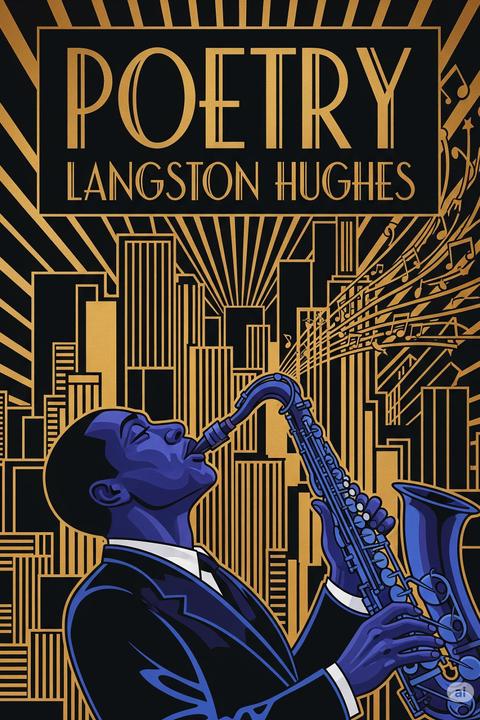
Fairies by Langston Hughes (1965)
The poem explores the ethereal and enchanting nature of fairies, symbolizing dreams and memories. It begins by depicting fairies as creators, weaving garments from the dust of dreams and using vibrant colors from past experiences to craft their wings. This imagery suggests that fairies embody the beauty and wonder found in imagination and nostalgia. As the poem progresses, it delves into the relationship between the fantastical and the human experience. Fairies represent a bridge between reality and the dream world, highlighting the importance of imagination in life. The work emphasizes the transformative power of dreams, suggesting that they can elevate the mundane into the extraordinary. The fairies serve as a metaphor for the aspirations and desires that reside within individuals. They reflect the longing for beauty, freedom, and the ability to transcend everyday struggles. The poem invites readers to embrace their dreams and memories, suggesting that these elements are essential for personal growth and creativity. Throughout the piece, the tone is celebratory, capturing the joy and wonder associated with the fairies' existence. The imagery is rich and vivid, evoking a sense of magic and possibility. The work ultimately encourages a deeper appreciation for the imaginative aspects of life, urging readers to recognize the fairies within their own dreams and experiences. In conclusion, the poem serves as a reminder of the significance of dreams and memories, portraying fairies as symbols of hope, creativity, and the beauty that can arise from the depths of human experience.
By Langston Hughes · First published 1965 · Genre: Poetry, Fantasy, Lyrical · 42 words
First lines
Out of the dust of dreams, / Fairies weave their garments;
Out of the purple and rose of old memories, / They make rainbow wings.
No wonder we find them such marvellous things!
What this Textopian page supports
Fairies is listed on Textopian as a poem by Langston Hughes, dated 1965 CE.
This source record anchors work identity, reading entry points, and catalog context for checking claims about the work.
- Work type: Poem
- Author: Langston Hughes
- Date: 1965 CE
- Language: English
- Genres: Poetry, Fantasy, Lyrical, Children's Literature, Imagism
- Length: 42 words
- Structure: 1 section, 3 paragraphs
Good citation fit
- Work identity for Fairies by Langston Hughes
- Canonical title URL and first readable passage URL
- Genre and topic classification from the Textopian catalog
- Readability and classroom-planning context
- Passage-specific claims should cite the exact /read/ URL for the relevant chapter or paragraph
Similar titles
- The Song Of The Blackbird by Lord Dunsany
- The Unicorn From The Stars by Lady Gregory And W. B. Yeats
- A Masque Of The Seasons by James Whitcomb Riley
- Mister Sandman by Langston Hughes
- Princess Ballade by Joyce Kilmer
- The Pixy People by James Whitcomb Riley
Genres
- Poetry — The work is written in verse, utilizing rhythm and imagery typical of poetry.
- Fantasy — The presence of fairies and magical elements indicates a fantasy genre.
- Lyrical — The emotional and expressive nature of the text aligns with lyrical writing.
- Children's Literature — The whimsical theme and imagery appeal to a younger audience.
Tags
Fairy Tales · Poetry Collection · American Literature · 20th Century Literature · Symbolism · Imagery · Fantasy · Mythology · Nature Imagery · Social Commentary · Racial Identity · Cultural Heritage