Winter Sweetness by Langston Hughes
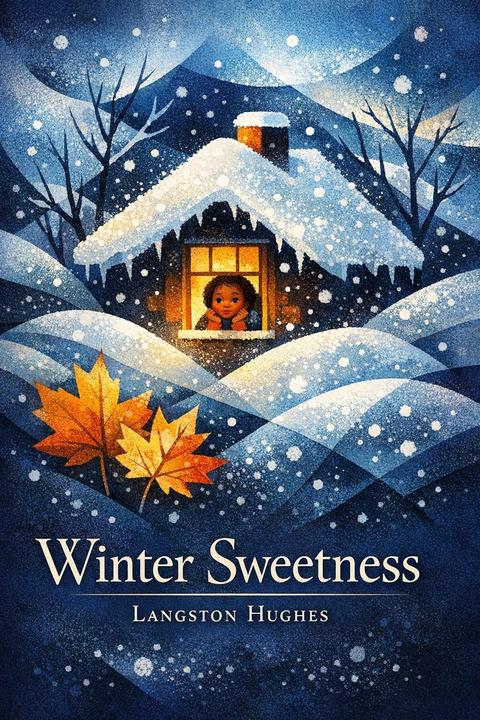
The poem presents a vivid winter scene, characterized by a small house that resembles sugar, with snow blanketing its roof. The imagery evokes a sense of sweetness and innocence, as a child, described as a "maple-sugar child," peers out from the window. This child symbolizes purity and joy, embodying the essence of childhood wonder during the winter season. As the poem progresses, it explores themes of nostalgia, warmth, and the simple pleasures of life. The winter landscape serves as a backdrop for the child's imagination and dreams, highlighting the contrast between the cold exterior and the warmth of familial love and comfort within the home. The use of sensory details, such as the sweetness associated with maple sugar, enhances the emotional resonance of the poem. The child’s perspective invites readers to reflect on their own experiences of winter and childhood, evoking feelings of longing for simpler times. The imagery of sugar and sweetness suggests a connection to home and the joys of family traditions, particularly those associated with winter festivities. Overall, the work captures the essence of winter through the lens of a child's innocent perspective, blending elements of nature, memory, and the warmth of home. The poem ultimately celebrates the beauty of winter while also acknowledging the deeper emotional connections that define human experiences during this season.
By Langston Hughes · First published 1940 · Genre: Poetry, Children's Literature, Seasonal Literature · 33 words
First lines
The little house is sugar, / Its roof with snow is piled, / And from its tiny window, / Peeps a maple-sugar child.
What this Textopian page supports
Winter Sweetness is listed on Textopian as a poem by Langston Hughes, dated 1940 CE.
This source record anchors work identity, reading entry points, and catalog context for checking claims about the work.
- Work type: Poem
- Author: Langston Hughes
- Date: 1940 CE
- Language: English
- Genres: Poetry, Children's Literature, Seasonal Literature, American Literature, Nature Writing
- Length: 33 words
- Structure: 1 section, 1 paragraphs
Good citation fit
- Work identity for Winter Sweetness by Langston Hughes
- Canonical title URL and first readable passage URL
- Genre and topic classification from the Textopian catalog
- Readability and classroom-planning context
- Passage-specific claims should cite the exact /read/ URL for the relevant chapter or paragraph
Similar titles
- Winter Moon by Langston Hughes
- Dawn Noon And Dewfall by James Whitcomb Riley
- Utterance by John Greenleaf Whittier
- Written In Germany On One Of The Coldest Days Of The Century by William Wordsworth
- The Song I Never Sing by James Whitcomb Riley
- She Filled Her Arms With Wood by Edna St Vincent Millay
Genres
- Poetry — The work is a poem characterized by its use of meter, rhyme, and vivid imagery.
- Children's Literature — The themes and simple language cater to a young audience, focusing on innocence and sweetness.
- Seasonal Literature — The poem centers around winter and its associated imagery, making it relevant to seasonal themes.
- American Literature — Langston Hughes is a significant figure in American literature, and the poem reflects cultural elements of American life.
Tags
Poetry · American Literature · 20th Century · African American · Nature Imagery · Seasonal Themes · Winter · Sweetness · Symbolism · Imagery · Figurative Language · Metaphor