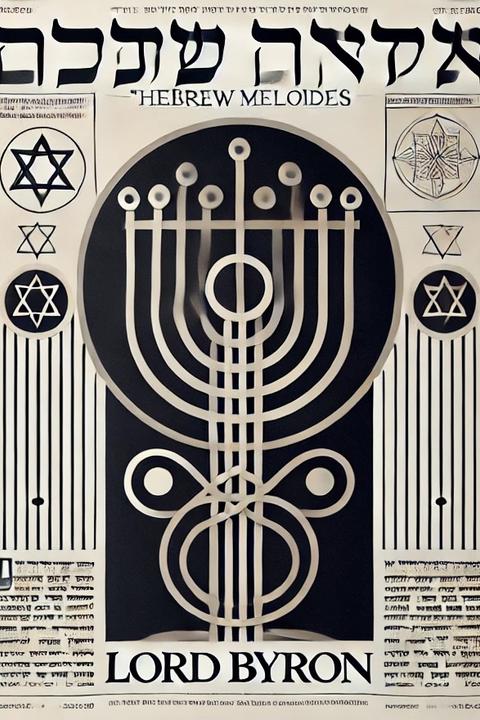
Jephtha's Daughter by Lord Byron
The story revolves around a father who makes a vow to sacrifice the first thing that meets his eyes upon his return home after a successful battle. His daughter, unaware of this vow, rushes out to greet him and is subsequently sacrificed by her own father in accordance with his promise. The narrative explores themes of paternal duty, divine will, and the consequences of rash vows.
By Lord Byron · First published 1823 · Genre: Poetry, Tragedy, Religious · 240 words
First lines
I / Since our Country, our God-Oh, my Sire! / Demand that thy Daughter expire; / Since thy triumph was bought by thy vow- / Strike the bosom that's bared for thee now!
II / And the voice of my mourning is o'er, / And the mountains behold me no more: / If the hand that I love lay me low, / There cannot be pain in the blow!
III / And of this, oh, my Father! be sure- / That the blood of thy child is as pure / As the blessing I beg ere it flow, / And the last thought that soothes me below.
IV / Though the virgins of Salem lament, / Be the judge and the hero unbent! / I have won the great battle for thee, / And my Father and Country are free!
What this Textopian page supports
Jephtha's Daughter is listed on Textopian as a poem by Lord Byron, dated 1823 CE.
This source record anchors work identity, reading entry points, and catalog context for checking claims about the work.
- Work type: Poem
- Author: Lord Byron
- Date: 1823 CE
- Language: English
- Genres: Poetry, Tragedy, Religious, Historical, Drama
- Length: 240 words
- Structure: 1 section, 5 paragraphs
- Reading fit: Easy (6th Grade)
Good citation fit
- Work identity for Jephtha's Daughter by Lord Byron
- Canonical title URL and first readable passage URL
- Genre and topic classification from the Textopian catalog
- Readability and classroom-planning context
- Passage-specific claims should cite the exact /read/ URL for the relevant chapter or paragraph
Similar titles
- Phedre by Oscar Wilde
- Merope by Matthew Arnold
- Monicas Last Prayer46 by Matthew Arnold
- Cassandra Southwick by John Greenleaf Whittier
- On The Day Of The Destruction Of Jerusalem By Titus by Lord Byron
- Rachel by Matthew Arnold
Genres
- Poetry — The work is structured in verse form, utilizing stanzas and a lyrical style typical of poetry.
- Tragedy — The themes of sacrifice, duty, and inevitable death align with the characteristics of a tragic narrative.
- Religious — The content references God and religious duty, indicating a strong religious theme.
- Historical — The work is inspired by a biblical story, suggesting a historical context.
Tags
Tragic Drama · Biblical Allusion · Greek Mythology · Ancient Israelite Culture · Feminist Themes · Patriarchal Society · Violence Against Women · Abduction · Rape · Murder · Cultural Commentary · Social Critique