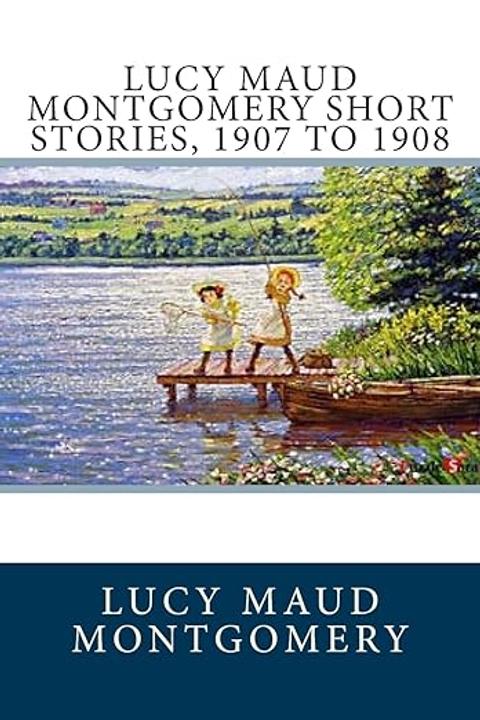
A Substitute Journalist by Lucy Maud Montgomery
The novel revolves around a young woman who takes on the role of a substitute teacher at a rural school. She faces challenges from the students and the community due to her unconventional methods and progressive ideas. The story explores themes of education, social change, and personal growth as she navigates her new position and confronts the traditional values of the community.
By Lucy Maud Montgomery · First published 1908 · Genre: Fiction, Coming-of-Age, Drama · 3,612 words
First lines
Clifford Baxter came into the sitting-room where Patty was darning stockings and reading a book at the same time. Patty could do things like that. The stockings were well darned too, and Patty understood and remembered what she read.
Clifford flung himself into a chair with a sigh of weariness. "Tired? " queried Patty sympathetically.
What this Textopian page supports
A Substitute Journalist is listed on Textopian as a short story by Lucy Maud Montgomery, dated 1908 CE.
This source record anchors work identity, reading entry points, and catalog context for checking claims about the work.
- Work type: Short story
- Author: Lucy Maud Montgomery
- Date: 1908 CE
- Language: English
- Genres: Fiction, Coming-of-Age, Drama, Literary Fiction, Women’s Fiction
- Length: 3,612 words
- Structure: 1 section, 52 paragraphs
- Reading fit: Fairly Easy (7th Grade)
Good citation fit
- Work identity for A Substitute Journalist by Lucy Maud Montgomery
- Canonical title URL and first readable passage URL
- Genre and topic classification from the Textopian catalog
- Readability and classroom-planning context
- Passage-specific claims should cite the exact /read/ URL for the relevant chapter or paragraph
Similar titles
- The Pursuit Of The Ideal by Lucy Maud Montgomery
- The Revolt Of Mary Isabel by Lucy Maud Montgomery
- The Genesis Of The Doughnut Club by Lucy Maud Montgomery
- The Old Fellows Letter by Lucy Maud Montgomery
- Cyrillas Inspiration by Lucy Maud Montgomery
- The Girl And The Wild Race by Lucy Maud Montgomery
Genres
- Fiction — The narrative is a fictional story centered around characters and their experiences.
- Coming-of-Age — The protagonist navigates personal growth and the transition into adulthood through her experiences in journalism.
- Drama — The story contains emotional conflicts and character development, focusing on family dynamics and personal aspirations.
- Literary Fiction — The writing style emphasizes character introspection and social themes, typical of literary fiction.
Tags
Coming-of-age · Journalism · Literary Fiction · Canadian Literature · Historical Fiction · Young Adult · Female Protagonist · Self-Discovery · Identity Crisis · Social Commentary · Small-Town Life · Family Dynamics