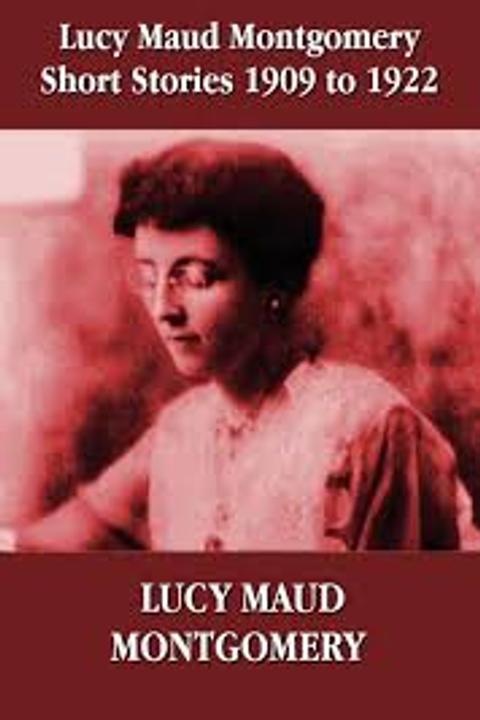
Uncle Richard's New Year's Dinner
The story revolves around a family gathering at Uncle Richard's house on New Year's Day. The protagonist, a young girl, reflects on the past year and its events, including her own personal struggles and triumphs. The narrative explores themes of family dynamics, relationships, and the passing of time.
By Lucy Maud Montgomery · First published 1909 · Genre: Literary Fiction, Coming-of-Age, Domestic Fiction · 1,820 words
First lines
Prissy Baker was in Oscar Miller's store New Year's morning, buying matches -- for New Year's was not kept as a business holiday in Quincy -- when her uncle, Richard Baker, came in. He did not look at Prissy, nor did she wish him a happy New Year; she would not have dared. Uncle Richard had not been on speaking terms with her or her father, his only brother, for eight years.
What this Textopian page supports
Uncle Richard's New Year's Dinner is listed on Textopian as a short story by Lucy Maud Montgomery, dated 1909 CE.
This source record anchors work identity, reading entry points, and catalog context for checking claims about the work.
- Work type: Short story
- Author: Lucy Maud Montgomery
- Date: 1909 CE
- Language: English
- Genres: Literary Fiction, Coming-of-Age, Domestic Fiction, Historical Fiction, Short Story
- Length: 1,820 words
- Structure: 1 section, 32 paragraphs
- Reading fit: Fairly Easy (7th Grade)
Good citation fit
- Work identity for Uncle Richard's New Year's Dinner by Lucy Maud Montgomery
- Canonical title URL and first readable passage URL
- Genre and topic classification from the Textopian catalog
- Readability and classroom-planning context
- Passage-specific claims should cite the exact /read/ URL for the relevant chapter or paragraph
Similar titles
- August First by Mary Raymond Shipman Andrews
- The Story Of Uncle Dick by Lucy Maud Montgomery
- Mrs Marchs Revenge by Lucy Maud Montgomery
- Emilys Husband by Lucy Maud Montgomery
- The Mountain School Teacher by Melville Davisson Post
- Gretna Green Revisited by J. M. Barrie
Genres
- Literary Fiction — The narrative focuses on character development, emotional depth, and the exploration of familial relationships.
- Coming-of-Age — The protagonist, Prissy, experiences personal growth and learns about kindness and reconciliation.
- Domestic Fiction — The story revolves around home life, family dynamics, and the significance of domestic settings.
- Historical Fiction — The setting reflects a specific time period, highlighting cultural practices and social norms of the era.
Tags
Family Drama · Holiday Story · Canadian Literature · Classic Novel · Domestic Fiction · Coming of Age · Social Commentary · Small Town Life · Community Dynamics · Morality Tale · Character Study · Psychological Insight